
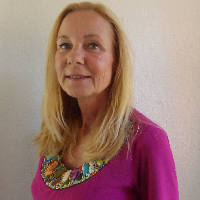
Monique Goodson-Johnson, LCMHC
Compassionate, practical therapy for everyday challenges
Book with Monique- Years in practice
- 17
- Credentials
- LCMHC
- Licensed in
- North Carolina
- Languages
- English
- Focus
- Stress, Anxiety
- Focus
- Addictions
- Focus
- Relationship issues
About Monique
Monique Goodson-Johnson is a Licensed Clinical Mental Health Counselor (LCMHC) based in North Carolina. She brings 17 years of counseling experience to conversations about stress, relationships, parenting, addiction, grief, and mood concerns. Her style is open, direct, and supportive for people looking for practical change.
She centers sessions on the person's goals and preferences. That often means talking through what feels most urgent, then trying hands-on strategies that fit day-to-day life.
Background and approach
Monique draws on client-centered work to follow each person's lead and on cognitive behavioral techniques to test thoughts and habits that get in the way. Her background includes long-term work with mood disorders, trauma and abuse, ADHD, and addiction-related struggles. She also helps people navigate family and relationship strain, attachment or abandonment concerns, and parenting challenges.
Her approach combines problem-solving, emotional work, and mindfulness skills so clients can try new patterns between sessions. Monique says she keeps cultural awareness central to her practice. She aims to offer a respectful environment where people feel heard and can examine difficult feelings without judgment.
Practical steps and steady support are part of how she works. Sessions may include brief coaching moments, skills practice, and goal-oriented plans that fit real life. For parents worried about behavior, sleep, or family stress, she focuses on doable tools and clearer communication rather than lengthy theory.
What Monique works with
Everything Monique lists, in the therapist's own terms. Parenting is the reason this directory exists; the rest shows what else Monique helps people with.
- Stress, Anxiety
- Addictions
- Relationship issues
- Family conflicts
- Depression
- LGBT
- Trauma and abuse
- Grief
- Intimacy-related issues
- Eating disorders
- Sleeping disorders
- Parenting issues
- Anger management
- Self esteem
- Career difficulties
- Bipolar disorder
- Coping with life changes
- Coaching
- Compassion fatigue
- ADHD
- Abandonment
- Adoption and foster care
- Attachment issues
- Avoidant personality
- Blended family issues
- Body image
- Caregiver issues and stress
- Codependency
- Commitment issues
- Communication problems
- Control issues
- Coping with natural or human-caused disaster
- Dependent personality
- Disruptive Mood Dysregulation Disorder (DMDD)
- Divorce and separation
- Domestic violence
- Emptiness
- Family of origin issues
- Family problems
- Fatherhood issues
- Forgiveness
- Guilt and shame
- Impulsivity
- Infidelity
- Isolation / loneliness
- Jealousy
- Life purpose
- Men's issues
- Mood disorders
- Multicultural concerns
- Post-traumatic stress
- Prejudice and discrimination
- Seasonal Affective Disorder (SAD)
- Self-love
- Sexual assault and abuse
- Sexuality
- Social anxiety and phobia
- Women's issues
- Workplace issues
- Young adult issues
Approaches Monique lists
- Client-Centered Therapy
- Cognitive Behavioral Therapy (CBT)
- Emotionally-Focused Therapy (EFT)
- Mindfulness Therapy
- Motivational Interviewing
- Solution-Focused Therapy
Listing an approach is not evidence of training in it. This directory copies what each therapist names and does not check training records.
How therapeutic approaches translate to online care
Client-centered therapy focuses on following the person’s concerns and building a trusting, respectful therapeutic relationship. In online sessions this means the therapist listens carefully and shapes each meeting around the client’s priorities and pace.Cognitive Behavioral Therapy (CBT) helps identify unhelpful thoughts and test new behaviors. Online CBT often uses brief in-session exercises and homework that clients can try between video or phone meetings to see what works in daily life.
Emotionally-Focused Therapy (EFT) concentrates on feelings and attachment patterns that shape relationships. Delivered remotely, EFT techniques encourage people to notice emotions, share them more clearly, and practice new interactions with important others outside sessions.
Choosing an approach is a collaborative process. The therapist will talk with the client about goals, trial different methods, and adjust as needed so the plan fits personality and life demands. Feedback is used to shape the work over time.
Online formats offer practical flexibility. Video calls allow face-to-face conversation and visual cues, phone sessions can be easier when bandwidth is limited, live chat works for brief check-ins, and text messaging supports ongoing coaching and reminders. These options help fit therapy into busy days, work breaks, or caregiving schedules while keeping work focused on real-life change.
Questions people ask about Monique
What concerns does she help with?
She works with stress, anxiety, depression, addictions, relationship and family strain, grief, trauma and related issues such as parenting, ADHD, eating or sleeping difficulties, and self-esteem.
How would you describe her therapeutic style?
Her style is client-centered with practical elements. She blends listening and emotional work with hands-on strategies from cognitive behavioral and mindfulness approaches.
How long has she been practicing?
She has 17 years of counseling experience working with a wide range of concerns and diagnoses.
What are her credentials and where is she located?
She is a Licensed Clinical Mental Health Counselor (LCMHC) licensed in North Carolina and practices from that state.
Are sessions offered in other languages or internationally?
Sessions are offered in English, and international clients are accepted.
What session formats does she use?
She provides video calls, phone sessions, live chat, and text-based messaging to fit different schedules and needs.
How is cost handled for sessions?
Cost varies with location and therapist details; sessions use a subscription model that you can cancel at any time.
What do I do to begin working together?
Click the Start Therapy button, complete a short matching questionnaire, and schedule a session according to the therapist's availability.
More therapists for parents in North Carolina
All in North Carolina
North Carolina 25 years in practice
Practical, compassionate care for parenting and life strain
- Stress, Anxiety
- Relationship
- Trauma and abuse

Anne Douglas
LMFT
North Carolina 25 years in practice
Calm, experienced guidance for parenting and life challenges
- Stress, Anxiety
- Relationship
- Family
Jacqueline Baiada
LCSW
North Carolina 30 years in practice English, Danish
Compassionate therapist who challenges and supports change
- Relationship
- Anger
- Stress, Anxiety