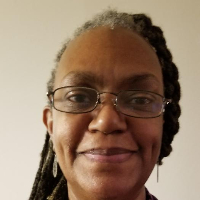
Jamie Daugherty
LPC
Arkansas 9 years in practice
Calm guidance for stressful parenting seasons
- Stress, Anxiety
- Family
- Self esteem
Therapists for parents
2,652 therapists list both parenting and disaster relief therapy among the things they work with. All offer sessions online; each profile shows the states they are licensed in.
Browse therapists who list disaster relief therapy as a specialty to find counselors experienced with trauma, loss, and community recovery. Use the listings below to review profiles, compare approaches and languages, and reach out to therapists whose background matches your needs.
LPC
Arkansas 9 years in practice
Calm guidance for stressful parenting seasons
LPC
Texas 10 years in practice
Supportive counselor who tailors therapy to you
LPC-MH
South Dakota 19 years in practice
Compassionate counseling for everyday parenting challenges
LMHC
Florida 25 years in practice English, French
Therapist focused on practical healing
LPC
Missouri 27 years in practice
Kind, practical help for parents and adults
LPC
Oklahoma 6 years in practice
Compassionate, practical support for parenting and life challenges
Oregon 15 years in practice
Helpful guidance for stress and parenting challenges
LMHC
Iowa 9 years in practice
Compassionate, practical help for parenting stress
LPC
Texas 12 years in practice
Compassionate counselor for parenting and life changes
LMHC
Florida 20 years in practice
Calm, practical care for life's transitions
LMHC
Florida 3 years in practice
Supportive counselor focused on parenting and life changes
LPC
Texas 22 years in practice
Supportive LPC for parenting and life stress
LPC
Texas 25 years in practice
Supportive counselor for parents and families
LCSW, LISW-CP
North Carolina 10 years in practice
Faith-friendly social worker for practical change
LMHC
Florida 15 years in practice
Calm, practical support for life’s hard moments
LPC
Georgia 15 years in practice
Practical counseling for stress and parenting concerns
LPC
South Carolina 8 years in practice
Practical support for parenting and life transitions
LCSW
Florida 5 years in practice
Practical support for stress and parenting challenges
LPC
Louisiana 28 years in practice
Calm, practical counseling for real-life parenting challenges
Ohio 20 years in practice English, Persian
Insightful counselor for life's transitions
LPC
Texas 25 years in practice
Supportive counseling for parenting and family life
MD, LCPC
Maryland 25 years in practice
Support for parents facing stress and change
Virginia 25 years in practice
Compassionate, experienced psychologist for parenting concerns
LMHC
Florida 32 years in practice
Compassionate counselor for everyday challenges
LCSW, CSW
Colorado 23 years in practice
Experienced Colorado LCSW focused on parenting support
LCSW
Texas 21 years in practice
Practical, culturally aware therapy for everyday challenges
LMHP
Nebraska 25 years in practice
Compassionate therapist focused on practical parenting support
LMHC
New York 25 years in practice
Compassionate support for parenting and life stress
LMFT
California 20 years in practice
Practical, values-focused therapy for everyday challenges
KS Psychologist
Kansas 24 years in practice
Practical, experienced psychologist for parenting support
LICSW
Alabama 40 years in practice
Experienced LICSW focused on parenting and stress
LCSW
Louisiana 5 years in practice
Supportive LCSW focusing on practical change
Louisiana 24 years in practice
Practical support for parenting and life changes
LCSW
New York 25 years in practice English, Spanish
Calm, practical guidance for real-life challenges
LCSW
Arizona 26 years in practice
Calm, practical support for parenting and life changes
LCSW
Mississippi 12 years in practice
Supportive LCSW focused on practical change
LPCC
Ohio 18 years in practice
Practical, collaborative therapy for life and parenting challenges
LPC
Texas 7 years in practice English, Spanish
Compassionate, practical counseling for everyday struggles
LCSW
California 13 years in practice
Guided, practical support for parenting and personal growth
LCSW
Florida 24 years in practice English, Spanish
Compassionate support for parenting and life change
LPC
Alabama 26 years in practice
Practical counseling for parenting and daily stressors
LCSW
New York 29 years in practice
Practical, collaborative therapy for stress and parenting
Louisiana 12 years in practice
Compassionate help for parenting and family stress
LCSW
Texas 5 years in practice
Practical, person-focused support for stressed parents
LMFT
Florida 29 years in practice English, Spanish
Seasoned LMFT focused on practical support
LCPC
Illinois 22 years in practice
Compassionate therapist for life and parenting stress
LPC
Mississippi 5 years in practice
Practical counseling for parenting and life challenges
LCSW
Virginia 38 years in practice English, Spanish
Experienced therapist for parenting and trauma
Some links on this page are partner links. We will earn a commission if you sign up through one, at no cost to you. It does not change what you pay or the order of the listings.
When a fire, flood, hurricane, mass violence, or other large-scale event occurs, the impact goes beyond immediate physical damage. You may face disruption to daily routines, loss of belongings or loved ones, displacement from familiar surroundings, and ongoing instability. These experiences can produce a range of emotional, cognitive, and physical reactions that affect your relationships, parenting, work, and sense of safety. Disaster relief therapy focuses on helping people cope with these specific stressors - the acute shock, the lingering uncertainty, and the practical challenges of rebuilding.
Disasters often change how families and communities function. You might see roles shift within a household as caregivers juggle recovery tasks. Schools, child care, and support networks can be interrupted, leaving parents and children with fewer resources. Community rituals and routines that once held people together may be lost or altered, which can intensify feelings of isolation. Therapy in the disaster context looks at these broader changes as part of recovery, helping you manage both individual symptoms and relational adjustments.
If you are noticing persistent anxiety, intrusive memories about the event, heightened startle reactions, or difficulty sleeping, therapy can be a place to address those responses. You may also experience a deep sense of grief even when loss is not about a person - grief over lost security, routines, or milestones. Anger, numbness, or avoidance of reminders of the event are common, and they may interfere with your ability to carry out daily tasks or engage with loved ones.
Sometimes the need for therapy shows up as trouble concentrating at work or school, changes in appetite, or increased use of alcohol or substances to cope. You may find that your relationships are strained, that parenting feels overwhelming, or that you are having trouble making decisions about housing or finances. If the stress from the disaster is preventing you from moving forward or making it hard to care for yourself or others, occupational and emotional support from a counselor may help you regain stability.
In the first sessions, a therapist will typically ask about the event, how it has affected your life, and what your immediate needs are. You and the therapist will talk about safety planning, practical supports, sleep, and coping strategies that can reduce distress in the short term. This stage is often focused on building skills to manage overwhelming emotions and to help you function day to day while recovery continues.
As you move beyond immediate stabilization, therapy may shift to processing experiences, addressing persistent fears, and working on meaning-making after loss. Processing can include talking through memories, learning techniques to reduce reactivity, and gradually confronting reminders in a way that reduces avoidance. Many families also find it useful to include sessions that address parenting stress, grief, or family dynamics as routines are reestablished. The pace of this work depends on your needs and readiness - you and the therapist set goals together.
There are a variety of therapeutic approaches that clinicians use to support people after disasters. You may find therapists who list cognitive-behavioral methods that focus on identifying and reframing unhelpful thoughts, or therapists who list trauma-focused cognitive strategies aimed at reducing the intensity of distressing memories. Some profiles mention EMDR among their approaches. Other clinicians emphasize grief-focused approaches, narrative work that helps you integrate the experience into your life story, or interventions that build coping and problem-solving skills for practical life challenges.
Recovery after a disaster is often collective, and some people find group-based support helpful. Group work can provide validation, normalize reactions, and offer shared strategies for coping. Community-oriented interventions sometimes focus on restoring routines, connecting people with resources, and facilitating peer support. When you read therapist profiles, you may notice clinicians who work with families, children, or community groups - those details can help you match the type of support to your needs.
Online therapy can expand access to counselors when local services are disrupted or when travel and transportation are barriers. Sessions typically take place by video or phone, and they can include the same kinds of therapeutic conversations, coping skills training, and family coaching that would happen in person. Online sessions let you connect with counselors who list experience with disaster-related issues even if they are not in your immediate area. It is helpful to confirm how a therapist handles crisis planning, local referrals, and emergency contact procedures since regulations and resources vary by location.
When looking through listings, focus on the therapist's described focus areas, approaches, credentials, and experience with disaster-related issues. Pay attention to notes about working with children, families, grief, or community recovery if those areas match your needs. You may want to prioritize clinicians who mention cultural competence or experience with the specific population you belong to, and you might consider whether language options or familiarity with local systems will matter for you. Reading multiple profiles gives you a sense of how different therapists describe their work and what they emphasize - this can help you identify someone whose style and focus feel like a good fit.
Before committing to ongoing sessions, you may find it useful to ask about the therapist's experience with disaster-related concerns and the kinds of strategies they commonly use. You can inquire how they involve family members when appropriate, how they support parenting during recovery, and what steps they take for safety planning. Consider logistical factors such as session length, fees, insurance options, and whether they work with adults, adolescents, or children. If you are choosing online care, check whether the therapist is licensed in your state or can legally provide services where you are located.
Disaster relief therapy is a practical, person-centered form of support designed to address the emotional and logistical aftermath of a traumatic event. Whether you seek short-term coping skills or longer-term processing, a therapist who lists disaster relief among their specialties can help you navigate the path from immediate recovery toward rebuilding routines and meaning. Use the listings below to explore profiles, learn about different approaches, and connect with counselors who match the experience and focus you are looking for.