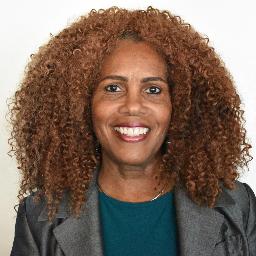
Dr. Shannon Holliker
LCSW
Florida 12 years in practice
Calm, practical support for parents and stress
- Relationship
- Stress, Anxiety
- Self esteem
Therapists for parents
10,140 therapists list both parenting and relationship among the things they work with. All offer sessions online; each profile shows the states they are licensed in.
This page lists clinicians who indicate relationship as a specialty, including work with couples, partners, and family systems. Browse the profiles below to review focus areas, approaches, languages, and experience that match your needs.
LCSW
Florida 12 years in practice
Calm, practical support for parents and stress
LPC
Arkansas 9 years in practice
Calm guidance for stressful parenting seasons
LPC
Texas 10 years in practice
Supportive counselor who tailors therapy to you
New Jersey 33 years in practice
Guiding practical change with steady clinical experience
LPC-MH
South Dakota 19 years in practice
Compassionate counseling for everyday parenting challenges
MD, LCSW-C
Maryland 28 years in practice
Calm, practical support for parenting and life stress
LCSW
South Carolina 14 years in practice
Practical therapy focused on strengths
LMFT
Hawaii 20 years in practice
Calm, practical support for parenting challenges
LMFT
Texas 15 years in practice
Compassionate therapist focused on practical change
LMFT, LMHC
Hawaii 26 years in practice
Experienced therapist for parenting and relationships
LISW
Ohio 20 years in practice
Practical, respectful therapy for life changes
FL Psychologist
Florida 35 years in practice
Experienced psychologist for parenting and relationships
LMHC
Florida 25 years in practice English, French
Therapist focused on practical healing
LMHC
Florida 29 years in practice
Calm practical help for parents and life change
LPC
Texas 10 years in practice
Supportive counselor for parenting and mood concerns
LPC
Missouri 27 years in practice
Kind, practical help for parents and adults
LPC
Oklahoma 6 years in practice
Compassionate, practical support for parenting and life challenges
LCPC
Illinois 3 years in practice
Practical, strengths-based counseling for parents and individuals
Oregon 15 years in practice
Helpful guidance for stress and parenting challenges
LMHC
Iowa 9 years in practice
Compassionate, practical help for parenting stress
LCSW
Louisiana 20 years in practice
Supportive LCSW for practical parenting help
LPC
Virginia 4 years in practice
Practical support for stressed, overwhelmed parents
LCSW
Louisiana 30 years in practice
Compassionate social worker helping parents and individuals
LMHC
New York 10 years in practice English, Hebrew
Helpful support for addiction and parenting concerns
LPC
Texas 12 years in practice
Compassionate counselor for parenting and life changes
LMHC
Florida 21 years in practice
Compassionate, practical support for parenting challenges
LCSW
Louisiana 12 years in practice
Support for Parents Facing Stress and Change
LPC
Michigan 10 years in practice
Calm, practical therapy for everyday challenges
LMFT
Florida 14 years in practice
Practical support for parenting and life transitions
LMHC
Florida 20 years in practice
Calm, practical care for life's transitions
LPC
Idaho 40 years in practice
Experienced counselor for parenting stress
LPC
Wisconsin 12 years in practice
Supportive, practical therapy for parents
LPC
Texas 16 years in practice
Calm, practical support for parenting and relationships
LCSW
Illinois 3 years in practice English, Spanish
Practical, compassionate help for everyday parenting challenges
LPC, LCPC
Oregon 17 years in practice
Practical therapy focused on building usable skills
LPCC
California 38 years in practice
Calm, experienced counselor for parents and adults
LMHC
New York 5 years in practice
Practical, person-focused support for stressed parents
LPC
Texas 20 years in practice
Calm, practical support for parenting and life stress
LPC
Texas 3 years in practice
Practical, goal-focused counseling with an easy-going style
MD, LSCSW
Maryland 5 years in practice
Practical support for stress and parenting challenges
LCSW
Louisiana 4 years in practice
Support for parents and life changes
LMFT
Arizona 6 years in practice
Practical support for parenting and relationships
LMHC
Florida 3 years in practice
Supportive counselor focused on parenting and life changes
LPC
Missouri 17 years in practice
Support for stressed parents and adults
LMHC
Florida 30 years in practice
Experienced counselor focused on practical solutions
LCSW
Florida 6 years in practice
Supportive LCSW for practical parenting challenges
LPC
Louisiana 5 years in practice
Practical support for stressful life transitions
California 22 years in practice
Calm, practical therapy for parenting and life stress
Some links on this page are partner links. We will earn a commission if you sign up through one, at no cost to you. It does not change what you pay or the order of the listings.
Relationship issues cover a wide range of patterns and experiences that shape how you connect with others. That can include conflict that keeps recurring, difficulty expressing needs, emotional distance, or transitions such as parenting changes, separation, or blending families. Relationship challenges also influence your day-to-day mood, sleep, work performance, and parenting. When interactions with a spouse, partner, or family member dominate your thoughts or cause persistent stress, those dynamics are important to address.
Patterns that develop over time - such as avoiding conflict, withdrawing when stressed, or escalating arguments - often reflect underlying beliefs and attachment styles. Those patterns can be self-reinforcing, shaping expectations and behaviors in future interactions. While you cannot always control how another person responds, you can learn to recognize what you contribute to a pattern and how shifting small behaviors may change the overall dynamic. Therapy for relationship concerns aims to help you understand these patterns, improve how you communicate, and build ways of relating that feel more respectful and responsive.
There is no single threshold that determines when therapy is appropriate, but certain signs commonly lead people to seek support. If you find arguments become repetitive and yield little resolution, or if you notice emotional distance where there used to be closeness, those are clear indicators. You might feel misunderstood, resentful, or chronically anxious about your relationship. Some people come because trust has been ruptured, while others seek help during transitions such as birth of a child, caregiving responsibilities, or changes in living arrangements.
If relationship stress begins to affect your physical health, work, parenting, or friendships, therapy can offer tools to reduce the spillover. You may also decide to pursue relationship therapy to strengthen communication before a conflict escalates, or to learn new ways to support one another during stressful periods. Therapy is a place to examine how history, expectations, and daily routines interact, and to develop practical skills that change how you relate in real time.
When you start relationship-focused therapy, expect an initial period of assessment where the therapist asks about your history, current concerns, and goals. This conversation may include questions about the patterns you experience, how conflict unfolds, and what you hope to be different. Some therapists work primarily with couples or partners together, while others offer individual sessions to support one person in the relationship. You can choose an approach that fits the level of privacy and focus you want.
Sessions often alternate between exploring emotions and practicing practical skills. You may spend time increasing emotional awareness - labeling feelings and needs - and also learning structured communication techniques such as time-limited sharing or reflective listening. Homework between sessions can include communication exercises, short experiments to change a routine, or journaling to notice patterns. Over weeks and months, you and the therapist review progress, adjust goals, and refine strategies so changes generalize into daily life.
A range of approaches are used in relationship work, and therapists vary in how they combine them. Some focus on emotions and attachment, aiming to help partners express vulnerabilities and respond in ways that build connection. Others emphasize behavioral experiments and skill-building to change interaction patterns. You will find therapists who list Emotionally Focused Therapy among their approaches, those who list the Gottman Method among their approaches, and clinicians who list cognitive-behavioral strategies among their approaches. Each approach frames the problem slightly differently and suggests distinct pathways to change.
Seeing a name of a method on a profile signals that a therapist draws from that framework, not that every clinician practices it in the same way. Some therapists blend multiple perspectives to meet the needs of your relationship. For example, a practitioner might combine attachment-based ideas with practical communication coaching, or integrate trauma-aware methods by noting therapists who list EMDR among their approaches for clients who have specific trauma-related concerns. Reading profile descriptions and asking about how an approach is used will help you get a sense of fit.
Online therapy for relationship issues typically uses video sessions to recreate much of the in-person experience while offering more scheduling flexibility. You and your partner can join from different locations if needed, or one partner can meet from home while the other joins from work. Sessions look similar to in-person meetings with a focus on dialogue, observation of interaction patterns, and in-session coaching. Therapists often use screen sharing for handouts, guide in-session practice, and assign exercises to be done between meetings.
To get the most from online work, choose a quiet spot where you won’t be interrupted and make sure your device and internet connection support stable video. If you meet together in one room, pick a comfortable seating arrangement that allows you to face one another. If one or both partners prefer individual time, therapists can offer a mix of joint and individual sessions to balance shared work with personal processing. Many people find that online therapy reduces travel time and helps them maintain continuity during busy life periods.
Selecting a therapist involves matching your needs and preferences to the information on profiles. Start by identifying the issues you want to address - communication breakdowns, parenting transitions, trust repairs, or intimacy concerns - and look for clinicians who list those focus areas. Compare approaches and read descriptions to find someone whose framework resonates with how you like to work. Some people prefer a skills-based, structured approach while others want deeper exploration of emotions and history.
Consider credentials such as licensed counselor, psychologist, or social worker if that is important to you, along with languages spoken and experience with your particular family structure. Pay attention to how therapists describe their session format, such as whether they emphasize joint sessions, individual sessions, weekend intensives, or family-focused work. You may also want to note sensory preferences - for example whether the therapist describes using in-session coaching, reflective exercises, or homework assignments - to find a match with your learning style. When you contact a clinician, you can ask about their approach to the topics that matter most to you and how they typically structure relationship work.
Working on relationship issues is often a step toward greater understanding, improved communication, and more satisfying patterns of connection. Use the listings on this page to explore clinicians who indicate experience with relationship concerns, review their approaches and professional backgrounds, and choose a direction that fits what you and your partner want to achieve.