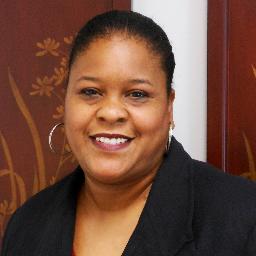
Stephen Richardson
LCSW, LISW-CP
North Carolina 10 years in practice
Faith-friendly social worker for practical change
- Stress, Anxiety
- Relationship
- Family
Therapists for parents
525 therapists based in North Carolina list parenting among the things they work with. Sessions are online; a therapist can usually only see people in the states where they hold a licence, so check each profile.
Welcome to our directory of licensed online therapists serving North Carolina. All therapists listed here hold a North Carolina license to provide virtual counseling to state residents.
Browse profiles by specialty, approach, language, and years of experience to find a clinician who fits your needs and preferences.
LCSW, LISW-CP
North Carolina 10 years in practice
Faith-friendly social worker for practical change
LCSW
North Carolina 36 years in practice
Seasoned LCSW helping people through change
LCSW
North Carolina 10 years in practice
Supportive licensed social worker for life and parenting concerns
LCMHC
North Carolina 6 years in practice
Support for stress, relationships, and parenting
LCSW, LISW-CP
North Carolina 13 years in practice
Compassionate, practical support for parents and adults
LCMHC
North Carolina 15 years in practice
Hopeful guidance for everyday parenting challenges
LPC, LCMHC
North Carolina 20 years in practice
Therapist focused on practical parenting support
LCSW
North Carolina 14 years in practice
Compassionate, practical support for parenting and life changes
LMFT
North Carolina 14 years in practice
Supportive, practical marriage and family therapy
LCSW
North Carolina 30 years in practice
Calm, practical support for everyday parenting challenges
LCMHC
North Carolina 18 years in practice
Practical, steady support for stressed parents
LCSW
North Carolina 8 years in practice
Calm, practical support for parenting stress
LMFT
North Carolina 25 years in practice
Calm, experienced guidance for parenting and life challenges
LCMHC
North Carolina 17 years in practice
Compassionate, practical therapy for everyday challenges
LCMHC
North Carolina 15 years in practice
Calm practical care for parenting and life stress
LCMHC
North Carolina 11 years in practice
Helping parents manage stress and overwhelm
LCSW
North Carolina 21 years in practice
Supportive LCSW helping parents and individuals
LCSW
North Carolina 24 years in practice
Compassionate support for stressed parents
LCMHC
North Carolina 11 years in practice
Supportive counselor for parenting stress
LCMHC
North Carolina 19 years in practice
Supportive counselor for parenting and life changes
LCMHC
North Carolina 14 years in practice
Practical support for stressed parents and adults
LCSW
North Carolina 30 years in practice English, Danish
Compassionate therapist who challenges and supports change
LCMHC
North Carolina 14 years in practice
Support for parenting stress and family strain
LCMHC
North Carolina 11 years in practice
Supportive counselor for parenting and life stress
LCMHC
North Carolina 17 years in practice
Practical support for parenting and stress management
LCSW
North Carolina 12 years in practice
Therapist focused on practical parenting support
North Carolina 14 years in practice
Warm practical support for parents and individuals
LCSW
North Carolina 15 years in practice
Parenting-focused licensed clinical social worker
LCMHC
North Carolina 5 years in practice
Supportive, practical counseling for life and parenting
LPC, LCPC
North Carolina 18 years in practice
Practical counseling for parenting and stress
LPC, LCMHC
North Carolina 7 years in practice
Calm, practical therapy for stress and parenting challenges
LCMHC
North Carolina 28 years in practice
Practical, affirming therapy for life transitions
LCSW
North Carolina 33 years in practice
Forward-focused LCSW helping parents and individuals
LCMHC
North Carolina 6 years in practice
Calm, practical support for parenting challenges
LCMHC
North Carolina 15 years in practice
Empathetic, practical therapy for parents and adults
LCMHC
North Carolina 48 years in practice
Experienced counselor for relationship and parenting concerns
LCMHC
North Carolina 12 years in practice
Compassionate, practical counseling for parents
LCMHC
North Carolina 9 years in practice
Practical support for parenting and family stress
LCSW
North Carolina 30 years in practice
Compassionate practical support for parents and partners
LCSW
North Carolina 16 years in practice
Practical support for stress and parenting concerns
LCSW
North Carolina 16 years in practice
Practical, recovery-informed support for parents
LCSW, LISW-CP
North Carolina 26 years in practice
Compassionate social worker for parenting stress
LCMHC, LMHC
North Carolina 12 years in practice
Compassionate counseling for stressed parents
LCSW
North Carolina 8 years in practice
Compassionate, practical support for everyday challenges
LISW-CP, LCSW
North Carolina 7 years in practice
Compassionate, practical support for everyday parenting challenges
LCSW
North Carolina 4 years in practice
Practical support for stress, trauma, and parenting
LCSW
North Carolina 30 years in practice
Practical support for parenting and life stressors
LCMHC
North Carolina 5 years in practice
Understanding support for parents and adults
Some links on this page are partner links. We will earn a commission if you sign up through one, at no cost to you. It does not change what you pay or the order of the listings.
If you are considering online therapy in North Carolina, you should know that virtual mental health services have become a widely used option across the state. Many licensed clinicians offer telehealth sessions that use video or phone calls to provide counseling, coaching, and parenting support. State regulations shape how therapy is delivered, including rules about licensure and professional conduct, so therapists licensed in North Carolina follow the state standards that apply to remote care. You will find clinicians working from a range of backgrounds and with diverse areas of emphasis, and many list a variety of therapeutic approaches and populations they serve.
When you search for an online therapist, you are likely to encounter profiles that describe areas of focus such as parenting stress, perinatal mood concerns, child and adolescent behavior, couples work, trauma-informed approaches, grief, and anxiety related to family life. Those profiles often note the formats the therapist uses - individual sessions, parent consultations, family counseling - and may indicate the therapeutic approaches they list among their methods. Keep in mind that a profile indicates what a clinician lists as their interests and approaches rather than a guarantee of any specific outcome.
North Carolina maintains licensing standards that govern who may provide mental health services to residents. Telehealth practice is integrated into that framework, with guidelines on record keeping, informed consent, and cross-state practice. If you live in North Carolina and choose a therapist licensed there, the clinician is subject to the same state board requirements as in-person providers. That consistency can help you understand the professional expectations and ethical standards that guide remote sessions.
Online therapy can expand your options for care in several practical ways. If you live in a rural county, travel time and access to specialized clinicians may be a barrier; virtual sessions reduce the need to commute and allow you to connect with therapists who focus on your specific concerns without leaving home. Working parents often find that remote appointments are easier to schedule around school drop-offs, work shifts, and childcare. You can also maintain continuity of care if you move within the state or need to be away for short periods - as long as you remain within North Carolina and the clinician is licensed to work with state residents.
Another benefit is flexibility in session formats. Many clinicians offer shorter check-in sessions, extended intake visits, and options for family or parent-only consultations through video. These formats allow you to adapt therapy to the rhythms of family life. You may also find clinicians who provide resources for managing behavior, parent-child communication, and stress reduction techniques that you can use between sessions. The key advantage is access: online therapy can make it possible to connect with a therapist whose experience matches your needs without the travel and logistical hurdles of in-person appointments.
To get the most out of telehealth, plan for a regular, quiet place where you can talk openly. Use a reliable internet connection and test your device ahead of time to avoid disruptions. If multiple family members are involved, coordinate participation and privacy expectations before the session begins. Clear communication with your therapist about technology preferences, session length, and follow-up materials can help establish a predictable routine.
Online clinicians in North Carolina frequently support people managing parenting stress, relationship challenges, mood concerns, and behavior difficulties in children and adolescents. Parents seeking strategies for discipline, communication, and co-parenting often turn to therapists who describe family systems work or parenting consultation among their approaches. Those navigating perinatal adjustments - pregnancy, postpartum changes, and the early parenting period - may look for clinicians who list perinatal mental health or maternal mental health in their profiles.
Beyond parenting-focused concerns, therapists who provide online care often work with anxiety, depressive symptoms, grief related to family loss, and adjustment challenges like transitions to new schools or relocation. Some clinicians list trauma-informed approaches among their methods and focus on helping families cope with the aftereffects of difficult experiences. Others emphasize skill-based strategies for behavior management, emotion regulation, and communication. When reading profiles, notice the ways clinicians describe their focus populations - for example, new parents, caregivers of teens, blended family dynamics - to find someone who regularly works with issues like yours.
Working with children and teens online may look different from adult sessions. Therapists who provide youth-focused services often incorporate parent consultation, coaching, and activity-based interventions to support development and behavior change. If you are considering therapy for a child, look for clinicians who describe their approach to involving caregivers and who explain how they adapt virtual sessions to be age-appropriate. Clear communication about goals, school collaboration, and progress measures can help you understand how online work will proceed.
Confirming that a clinician is licensed in North Carolina is an important part of choosing an online therapist. You can verify licensure through the North Carolina licensing board that oversees professional counselors, social workers, or marriage and family therapists depending on the clinician's credential. Each board maintains a public lookup where you can search by name to review license status, the type of license held, and whether any disciplinary actions are listed. This public record provides objective information about the professional standing of a clinician.
When you review a license lookup, note the issuance and expiration dates to ensure the license is current. If a profile lists multiple credentials or indicates that a clinician is credentialed in another state, remember that practicing across state lines involves separate rules. A therapist licensed in North Carolina is authorized to provide services to North Carolina residents, while out-of-state licenses do not confer that authorization. If you have questions about the licensing board's listings or how they apply to your situation, the board's website typically includes contact information and guidance on interpreting records.
Licensure confirms that a clinician meets state standards for education and professional conduct, but you may also want to review other profile details to assess fit. Look at the populations the therapist lists, the approaches they describe, language abilities, and years of experience with relevant issues. Many clinicians note whether they offer parent coaching, family sessions, or consultative support for schools and pediatricians. These elements help you form a clearer picture of the therapist's practice style and focus areas.
Starting with online therapy begins with a clear sense of what you want to address. Think about the primary concerns you bring - parenting strain, child behavior, postpartum adjustment, or relationship conflict - and identify therapists who describe those focus areas. Read several profiles to compare how clinicians describe their approach to goals, session structure, and family involvement. You may prioritize a therapist who communicates a collaborative, practical style or one who emphasizes insight-oriented work depending on your preferences.
When you contact a therapist, prepare a few questions to understand how they work with situations like yours. Ask about their typical session structure, how they involve caregivers, whether they provide resources between sessions, and how they measure progress. It is appropriate to inquire how the clinician adapts their methods for online delivery and what kinds of follow-up materials they use. You should also clarify logistical details such as session length and payment methods, and how they handle documentation like intake forms and consent for telehealth.
Therapeutic fit often depends on the relationship you can build with a clinician and the practical alignment between your needs and their approach. If possible, evaluate whether the therapist's communication style feels understandable and respectful, and whether their approach to family involvement matches what you want. Some people prefer therapists who prioritize coaching and concrete strategies, while others seek space for emotional processing and exploration. Over time, check in about goals and progress to ensure the work remains focused and useful.
Finding an online therapist in North Carolina can open new possibilities for care that align with your schedule and family life. By verifying licensure, reviewing practice focus, and asking practical questions about approach and session structure, you can choose a therapist who fits your priorities and supports your goals. Use the listings to explore profiles, compare approaches, and begin the process of connecting with a clinician who meets your needs.