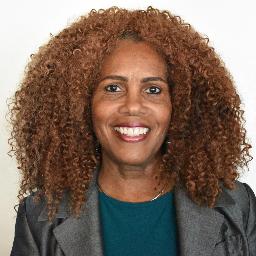
Earl Barrios
LPCC
California 38 years in practice
Calm, experienced counselor for parents and adults
- Stress, Anxiety
- Relationship
- Family
Therapists for parents
971 therapists based in California list parenting among the things they work with. Sessions are online; a therapist can usually only see people in the states where they hold a licence, so check each profile.
Welcome to Parent Therapists’ directory of online therapists licensed in California. All therapists listed here are licensed to practice in the state - explore profiles to compare approaches, credentials, languages, and areas of focus.
LPCC
California 38 years in practice
Calm, experienced counselor for parents and adults
LCSW
California 5 years in practice
Supportive LCSW for stress and parenting concerns
California 22 years in practice
Calm, practical therapy for parenting and life stress
LCSW
California 12 years in practice English, Spanish
Client-centered therapist for parenting concerns
LMFT
California 20 years in practice
Practical, values-focused therapy for everyday challenges
LCSW
California 13 years in practice
Guided, practical support for parenting and personal growth
LCSW
California 20 years in practice
Practical therapy for parenting and life stress
LMFT
California 30 years in practice
Experienced family and relationship therapist
LCSW
California 11 years in practice
Therapist for trauma and parenting challenges
LMFT
California 22 years in practice
Calm, practical help for life's challenges
LMFT
California 25 years in practice
Calm, practical support for stressed parents and adults
LMFT
California 12 years in practice
Warm client-centered therapist with practical tools
LMFT
California 11 years in practice
Trusted guide for relationship and parenting concerns
LMFT
California 29 years in practice
Practical support for parenting and relationships
LMFT
California 3 years in practice English, Spanish
Compassionate LMFT helping parents and individuals
LMFT
California 15 years in practice
Straightforward therapy for parenting and life stress
LCSW
California 13 years in practice
Practical support for parenting and self confidence
LMFT
California 40 years in practice
Experienced family therapist focused on parenting support
LCSW
California 40 years in practice
Client-centered LCSW supporting parenting concerns
LCSW
California 8 years in practice
Support for stress, relationships, and parenting
LCSW, CSW
California 12 years in practice
Practical therapy focused on real-life choices
LMFT
California 16 years in practice English, Spanish
Compassionate, strength-based Christian therapist
LCSW
California 8 years in practice
Supportive parenting-focused therapist
LMFT
California 20 years in practice
Calm, practical therapy for parenting and stress
LMFT
California 30 years in practice
Experienced therapist for parenting and relationships
LCSW
California 11 years in practice
Supportive therapist for life’s transitions
LMFT
California 10 years in practice English, Spanish
Practical support for stress and parenting challenges
LMFT
California 29 years in practice
Compassionate therapist for relationship and parenting concerns
LCSW
California 10 years in practice
Compassionate LCSW helping parents and adults navigate stress
LMFT
California 5 years in practice
Practical, respectful therapy for life transitions
LMFT
California 13 years in practice
Supportive California LMFT focused on parenting challenges
California 25 years in practice
Compassionate, practical support for parents and individuals
LMFT, LPCC
California 7 years in practice English, Romanian
Compassionate therapist for parenting and trauma
LMFT
California 9 years in practice
Active therapist who teaches practical skills
LMFT
California 6 years in practice English, Punjabi
Supportive parenting-focused therapist
California 25 years in practice
Calm practical support for stressed parents
LMFT
California 17 years in practice
Practical, experienced therapist for everyday struggles
LPCC
California 13 years in practice
Calm, practical support for parenting and stress
LCSW
California 6 years in practice
Compassionate, practical support for overwhelmed parents
CA Psychologist
California 32 years in practice
Experienced psychologist for everyday parenting concerns
LCSW
California 30 years in practice
Supportive LCSW helping adults and parents
LMFT
California 9 years in practice
Compassionate, practical support for parents and individuals
LMFT
California 10 years in practice
Calm, practical support for stressed parents
LCSW
California 6 years in practice
Supportive LCSW for parenting and family stress
LCSW
California 5 years in practice English, Spanish
Parenting-focused LCSW who supports emotional balance
LMFT
California 3 years in practice
Calm, practical therapy for everyday parenting challenges
LCSW
California 35 years in practice
Practical support for parenting and life stressors
LMFT
California 21 years in practice
Supportive LMFT focused on practical change
Some links on this page are partner links. We will earn a commission if you sign up through one, at no cost to you. It does not change what you pay or the order of the listings.
In California, online therapy is a widely used option for people seeking mental health and relationship support. You can expect to find professionals who use video sessions, phone calls, and messaging as part of their practice. Therapists who offer remote services typically list their approaches, credentials, languages, and the populations they work with so you can get a sense of fit before reaching out. Because state licensing matters, many therapists in California hold credentials that authorize them to practice with residents of the state. This means you can look through profiles knowing that listed practitioners are licensed to provide care under California law.
California regulates mental health licenses through boards that publish public records about licensure and discipline. That regulatory framework helps set expectations for what a licensed clinician can represent in their profile. Licensing also influences practice details such as permissible telehealth practice and recordkeeping. Understanding the regulatory backdrop can help you decide how to interpret a clinician’s profile and the information they provide about their approach and experience.
Online therapy makes it easier to access clinicians across California’s large and varied geography. Whether you live in a dense urban area, a coastal community, or a more remote inland location, remote sessions can reduce travel time and allow you to fit care into a busy routine. If you have caregiving responsibilities, work commitments, or mobility concerns, connecting virtually can create scheduling flexibility that makes ongoing support more realistic.
Another benefit of remote care is the ability to search for clinicians who match specific needs. You can narrow your search by the population a therapist works with - for example, parents dealing with child behavior questions, couples navigating relationship changes, or individuals managing stress and anxiety. You can also filter by languages spoken and approaches a therapist lists, which helps you find someone whose style and communication suit your preferences. For many people, remote therapy also reduces the stress of entering a new physical setting and lets you participate from a familiar environment.
Many clinicians in this directory focus on parenting and family dynamics, offering support for common challenges like discipline strategies, co-parenting after separation, navigating developmental transitions, and improving communication between partners. Therapists who list family-based and parenting approaches may work with both parents and children to strengthen relationships and build practical skills for daily life.
Online therapists in California also work with a broad range of emotional and behavioral concerns. You will find clinicians who list approaches aimed at anxiety, depression, trauma-related symptoms, stress management, and life transitions such as relocation, career change, or new parenthood. Some therapists list therapeutic methods associated with trauma work or emotion regulation; remember that listing an approach does not confirm specific training or certification, so consider this as a starting point for questions when you review a profile.
Verifying a therapist’s license is an important step when you are comparing profiles. Start with the licensing board relevant to the clinician’s credential. For marriage and family therapists, social workers, and professional clinical counselors, California maintains public license lookup services that display whether a license is active, the date it was issued, and any disciplinary history that is on public record. Psychologists are listed with the board that governs doctoral-level psychological practice. Typing the clinician’s license number and name into the appropriate board’s lookup tool will give you official details.
When you review license records, pay attention to whether the license is active and in good standing and whether any public actions or restrictions are noted. Boards will often list the license type and expiration dates, and may provide summaries of public disciplinary actions. This information can help you confirm that the professional meets state requirements and has the credentials they claim. If you have questions about how to read a record, the licensing board’s site often includes guidance, or you can reach out to the board directly for clarification.
Begin by clarifying what you want from therapy - whether you are looking for parenting support, couples therapy, help with a mood concern, or guidance for a specific life transition. Use the directory filters to focus on clinicians who list relevant focus areas, languages, and approaches. Read profiles for information about experience with populations similar to yours, educational background, and the therapeutic approaches a clinician lists. Take note of practical details you care about, such as typical session length, fee structure, and whether the clinician mentions using technology platforms for sessions.
Choosing the right therapist involves both practical and interpersonal factors. Look for clinicians who describe work with people who share your concerns and who communicate in a tone that feels respectful and approachable. Consider whether a clinician lists approaches that align with your preferences - for example, some people prefer therapy that is skills-based and structured, while others want a more exploratory style. Language can be a critical factor, so if you prefer to speak in a language other than English, seek clinicians who list that language. Experience with parenting, child development, or specific family arrangements may matter if your concerns center on children and family dynamics. Before your first session, prepare questions about session structure, typical topics, and how progress is evaluated so you can determine whether the clinician’s style fits your expectations.
When you are ready to begin, choose a quiet, quiet space where you can talk without interruptions. Check that your device and internet connection are reliable and that you understand any platform the clinician indicates they use. Bring notes about your goals and any questions about approach, fees, and session length. It can help to have a list of priorities so your first conversation can focus on the issues most important to you. If insurance coverage is relevant to you, review policy details and ask the clinician about billing practices; many profiles include information you can use to guide that conversation.
Therapy is a collaborative process, and it is reasonable to reassess the fit after a few sessions. You can reflect on whether the clinician’s approach matches your needs and whether your sessions feel productive. If you need a different focus, such as more skills practice or a stronger emphasis on parenting strategies, discuss those preferences directly. Profiles can help you narrow options, but your experience in sessions will ultimately determine whether a match is right for you. Use the directory to continue exploring clinicians who list complementary approaches or relevant experience until you find someone who aligns with your needs.
Finding a licensed online therapist in California involves both practical checks and attention to the interpersonal match. By learning how to read profiles, verifying licenses through official state resources, and preparing for conversations about approach and goals, you can make an informed decision that supports your family’s well-being. Take your time, prioritize the qualities that matter most to you, and use the directory to explore clinicians who list the approaches, languages, and focus areas that fit your needs.