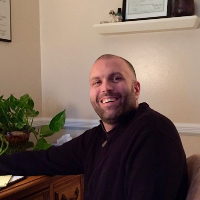
Dr. Shannon Holliker
LCSW
Florida 12 years in practice
Calm, practical support for parents and stress
- Stress, Anxiety
- Self esteem
- Coping with life changes
Therapists for parents
9,357 therapists list both parenting and trauma and abuse among the things they work with. All offer sessions online; each profile shows the states they are licensed in.
Explore therapists who list trauma and abuse among their specialties, offering care for individuals, caregivers, and families affected by past harm. Browse the listings below to compare approaches, languages, and experience relevant to your needs.
LCSW
Florida 12 years in practice
Calm, practical support for parents and stress
LPC
Arkansas 9 years in practice
Calm guidance for stressful parenting seasons
LMHC
Florida 6 years in practice
Compassionate, practical support for parents
LPC
Texas 10 years in practice
Supportive counselor who tailors therapy to you
LPC-MH
South Dakota 19 years in practice
Compassionate counseling for everyday parenting challenges
LCSW
South Carolina 14 years in practice
Practical therapy focused on strengths
LMFT
Hawaii 20 years in practice
Calm, practical support for parenting challenges
LMFT
Texas 15 years in practice
Compassionate therapist focused on practical change
LISW
Ohio 20 years in practice
Practical, respectful therapy for life changes
FL Psychologist
Florida 35 years in practice
Experienced psychologist for parenting and relationships
LMHC
Florida 25 years in practice English, French
Therapist focused on practical healing
LPC
Texas 10 years in practice
Supportive counselor for parenting and mood concerns
LPC
Missouri 27 years in practice
Kind, practical help for parents and adults
LPC
Oklahoma 6 years in practice
Compassionate, practical support for parenting and life challenges
LCPC
Illinois 3 years in practice
Practical, strengths-based counseling for parents and individuals
Oregon 15 years in practice
Helpful guidance for stress and parenting challenges
LMHC
Iowa 9 years in practice
Compassionate, practical help for parenting stress
LCSW
Louisiana 20 years in practice
Supportive LCSW for practical parenting help
LCSW
Florida 3 years in practice
Support for parents and caregivers
LSCSW
Kansas 12 years in practice
Calm, practical support for parenting challenges
LCSW
Louisiana 30 years in practice
Compassionate social worker helping parents and individuals
LPC
Texas 12 years in practice
Compassionate counselor for parenting and life changes
LPC
Oklahoma 3 years in practice
Thoughtful counselor blending change and acceptance
LMHC
Florida 21 years in practice
Compassionate, practical support for parenting challenges
LCSW
Louisiana 12 years in practice
Support for Parents Facing Stress and Change
LPC
Michigan 10 years in practice
Calm, practical therapy for everyday challenges
LMFT
Florida 14 years in practice
Practical support for parenting and life transitions
Louisiana 3 years in practice
Practical counseling for stressed parents
LMHC
Florida 20 years in practice
Calm, practical care for life's transitions
LPC
Idaho 40 years in practice
Experienced counselor for parenting stress
LPC
Wisconsin 12 years in practice
Supportive, practical therapy for parents
LPC
Texas 16 years in practice
Calm, practical support for parenting and relationships
LCSW
Illinois 3 years in practice English, Spanish
Practical, compassionate help for everyday parenting challenges
LPC, LCPC
Oregon 17 years in practice
Practical therapy focused on building usable skills
LPCC
California 38 years in practice
Calm, experienced counselor for parents and adults
LMHC
New York 5 years in practice
Practical, person-focused support for stressed parents
LCSW
California 5 years in practice
Supportive LCSW for stress and parenting concerns
LPC
Texas 20 years in practice
Calm, practical support for parenting and life stress
LMHC
Florida 3 years in practice
Supportive counselor focused on parenting and life changes
LMHC
Florida 30 years in practice
Experienced counselor focused on practical solutions
LCSW
Florida 6 years in practice
Supportive LCSW for practical parenting challenges
MD, LCSW-C
Maryland 20 years in practice
Practical help for stress and parenting
LPC
Louisiana 5 years in practice
Practical support for stressful life transitions
California 22 years in practice
Calm, practical therapy for parenting and life stress
LPC
Texas 22 years in practice
Supportive LPC for parenting and life stress
Texas 3 years in practice
Calm, practical support for parenting and life strain
LCSW
New York 25 years in practice English, Spanish
Practical skills for stress and parenting challenges
LPC
Texas 25 years in practice
Supportive counselor for parents and families
Some links on this page are partner links. We will earn a commission if you sign up through one, at no cost to you. It does not change what you pay or the order of the listings.
Trauma and abuse refer to experiences that overwhelm a person’s capacity to cope, often leaving lasting emotional, physical, or relational effects. You might think of trauma as a response to a single startling event or a pattern of events over time. Abuse can take many forms - physical, emotional, sexual, financial, or neglect - and its impact varies depending on factors such as age, support systems, and prior life experiences. The consequences are not only psychological. You may notice changes in sleep, appetite, energy, concentration, or the way you connect with others. For caregivers and parents, unresolved trauma can influence parenting style, attachment with children, and family routines even when those effects are not obvious.
Because trauma shapes how you perceive safety, trust, and intimacy, responses may show up as heightened anxiety, avoidance, emotional numbing, or sudden reactivity to reminders of past harm. Some people find that symptoms ebb and flow with stressors, life transitions, or anniversaries of difficult events. Understanding trauma as the nervous system and relational aftermath of overwhelming experience can help you frame your reactions as human responses rather than personal failings. Therapy for trauma and abuse often focuses on increasing your sense of stability and agency, helping you rebuild a sense of competence in relationships and daily life.
If you are wondering whether therapy could help, there are several common signs that people describe. You might be experiencing intrusive memories or flashbacks that interrupt your day, or nightmares that leave you exhausted. Persistent feelings of guilt, shame, or self-blame about past events can make it hard to move forward. You may notice avoiding places, conversations, or people that remind you of harm, or conversely feeling emotionally numb and disconnected from people you care about. Physical symptoms like chronic tension, headaches, gastrointestinal upset, or exaggerated startle responses can also reflect the lingering effects of trauma.
Trauma can show up in relationships as difficulty trusting others, frequent conflict, or swings between clinging and withdrawing. For parents, trauma can influence how you respond to your child’s emotions, sometimes making it harder to remain calm or to attune to their needs. You might find that certain situations trigger intense emotions that feel out of proportion, or that coping strategies which once helped now interfere with your goals. If these patterns limit your daily functioning, reduce your sense of wellbeing, or affect important relationships, therapy could offer tools to address symptoms and build resilience.
Entering therapy for trauma and abuse often begins with establishing safety and a working relationship you can rely on. Early sessions typically involve sharing your history at a pace that feels manageable and creating a plan focused on your priorities. Your therapist may ask about current symptoms, patterns in relationships, and what you hope to change. Together you will identify short-term strategies to reduce distress and long-term goals for healing. Sessions are usually collaborative, allowing you to guide how much you disclose and when to focus on specific memories or present-day challenges.
Therapy can include a mix of talk-based exploration, skills practice, and experiential techniques that address how the body stores stress. You may work on grounding and breathing strategies to regulate intense emotions, practice communication and boundary skills for relationships, and explore narratives about the past in ways that reduce their power over you. Progress is often non-linear - some weeks you may feel significant relief, other weeks you may revisit difficult emotions. A focus on pacing, consent around memory work, and building coping skills before processing traumatic material helps many people feel more steady as therapy progresses.
There are several approaches therapists may list when working with trauma and abuse, and each offers a different angle on healing. Cognitive and behavioral approaches focus on identifying and modifying patterns of thinking and behavior that contribute to distress, while trauma-focused variations address the specific ways trauma shapes beliefs about safety and self. Some therapists prioritize body-centered methods that address physiological responses to trauma, incorporating movement, breath, or somatic awareness to help the nervous system regulate.
You will also find therapists who list EMDR among their approaches, as well as those who note modalities such as internal family systems, narrative therapy, or trauma-focused cognitive behavioral therapy. Exposure-based practices are sometimes used to reduce avoidance of trauma reminders in a structured way. Many clinicians combine elements from different approaches to match the needs you bring to therapy. When reviewing therapist profiles, notice how they describe their approach and how they talk about consent, pacing, and collaboration. That language can give you a sense of whether their style aligns with your preferences for working through difficult memories and symptoms.
Online therapy has become a common option for people seeking care for trauma and abuse, offering flexibility in scheduling and access to clinicians beyond your immediate area. Sessions typically take place through video calls, phone, or text-based messaging formats, and can mirror many of the elements of in-person work, including skills training, grounding practices, narrative exploration, and cognitive techniques. Online formats may feel especially helpful if travel, mobility, or caregiving responsibilities make in-person visits difficult.
When considering online therapy, think about the environment where you will attend sessions. You may prefer a quiet room, a car parked in a safe spot, or another location where you can focus and manage emotions that arise. Discuss with a prospective therapist how they handle moments of high distress in virtual sessions, what resources they recommend for immediate support, and how they coordinate with any local supports you have. Online work can be less medical in tone and more accessible, but it is important that the approach respects your comfort with technology and maintains clear plans for safety and follow-up when intense emotions surface.
Choosing a therapist is a personal decision and you should feel empowered to look for someone whose approach and demeanor match your needs. Start by identifying what matters most to you - whether that is experience with specific types of trauma, language preference, cultural understanding, or approaches that focus on the body or on cognitive work. Read profiles to see how therapists describe their work with trauma and what populations they mention, such as caregivers, parents, or survivors of particular forms of abuse. Pay attention to how they talk about collaboration, pacing, and consent, because those elements shape how comfortable you may feel during memory-focused work.
When you contact a therapist, it is reasonable to ask about their general approach to working with trauma, how they structure sessions, and what kinds of supports they suggest between meetings. You can inquire about how they integrate tools to manage intense feelings and whether they incorporate family or caregiver involvement if that is relevant. Trust your instincts about whether a therapist’s communication style and descriptions feel respectful and clear. If a connection does not feel right after a session or two, it does not mean therapy cannot help; it may simply mean a different clinician or approach is a better match for your goals. Taking time to find a clinician who listens and collaborates with you can make therapy a more effective and sustainable process.