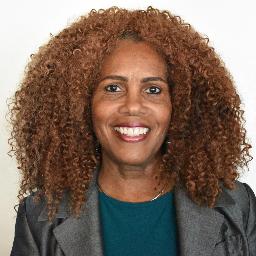
Jonnet Cruz
LMFT
Hawaii 20 years in practice
Calm, practical support for parenting challenges
- Stress, Anxiety
- Relationship
- Family
Therapists for parents
4,183 therapists list both parenting and family of origin issues among the things they work with. All offer sessions online; each profile shows the states they are licensed in.
Find therapists who work with family of origin issues, including intergenerational patterns, attachment wounds, and childhood dynamics. Browse the listings below to explore profiles, approaches, languages, and areas of emphasis.
LMFT
Hawaii 20 years in practice
Calm, practical support for parenting challenges
FL Psychologist
Florida 35 years in practice
Experienced psychologist for parenting and relationships
LMHC
Florida 25 years in practice English, French
Therapist focused on practical healing
LPC
Missouri 27 years in practice
Kind, practical help for parents and adults
LPC
Oklahoma 6 years in practice
Compassionate, practical support for parenting and life challenges
LCSW
Louisiana 20 years in practice
Supportive LCSW for practical parenting help
LSCSW
Kansas 12 years in practice
Calm, practical support for parenting challenges
LCSW
Louisiana 30 years in practice
Compassionate social worker helping parents and individuals
LPC
Texas 12 years in practice
Compassionate counselor for parenting and life changes
LPC
Oklahoma 3 years in practice
Thoughtful counselor blending change and acceptance
LMFT
Florida 14 years in practice
Practical support for parenting and life transitions
LMHC
Florida 20 years in practice
Calm, practical care for life's transitions
LPC
Texas 16 years in practice
Calm, practical support for parenting and relationships
LMHC
Florida 3 years in practice
Supportive counselor focused on parenting and life changes
California 22 years in practice
Calm, practical therapy for parenting and life stress
LPC
Texas 22 years in practice
Supportive LPC for parenting and life stress
LCSW
New York 25 years in practice English, Spanish
Practical skills for stress and parenting challenges
LPC
Texas 25 years in practice
Supportive counselor for parents and families
LCSW, LISW-CP
North Carolina 10 years in practice
Faith-friendly social worker for practical change
LPC
Georgia 15 years in practice
Practical counseling for stress and parenting concerns
LPC
Colorado 26 years in practice English, Spanish
Warm counselor focused on family and parenting support
LCSW
California 12 years in practice English, Spanish
Client-centered therapist for parenting concerns
LPC
South Carolina 8 years in practice
Practical support for parenting and life transitions
LPC
Texas 37 years in practice
Compassionate counselor using creativity and insight
LPC
Louisiana 28 years in practice
Calm, practical counseling for real-life parenting challenges
LMFT
Hawaii 30 years in practice
Calm guidance for parenting and life changes
LPC
Texas 25 years in practice
Supportive counseling for parenting and family life
LPC
Wisconsin 8 years in practice
Compassionate counselor focused on practical growth
LCSW
Wisconsin 20 years in practice
Calm, practical support for parenting stress
Virginia 25 years in practice
Compassionate, experienced psychologist for parenting concerns
LMHC
Florida 32 years in practice
Compassionate counselor for everyday challenges
LCSW, CSW
Colorado 23 years in practice
Experienced Colorado LCSW focused on parenting support
LCSW
Texas 21 years in practice
Practical, culturally aware therapy for everyday challenges
LMHP
Nebraska 25 years in practice
Compassionate therapist focused on practical parenting support
LCPC
Illinois 25 years in practice
Support for stress, grief, and parenting challenges
LCSW
Florida 31 years in practice
Practical, steady support for parents and relationships
LMFT
California 20 years in practice
Practical, values-focused therapy for everyday challenges
KS Psychologist
Kansas 24 years in practice
Practical, experienced psychologist for parenting support
LMFT
Oklahoma 22 years in practice
Practical support for parenting and life stress
LCSW
Illinois 37 years in practice
Practical, person-centered therapy for parenting concerns
LCSW
New York 25 years in practice English, Spanish
Calm, practical guidance for real-life challenges
LCSW
Arizona 26 years in practice
Calm, practical support for parenting and life changes
LICSW, LCSW, CSW
Georgia 7 years in practice
Practical support for stress and parenting challenges
LMFT
Washington 12 years in practice
Compassionate, practical therapy for parents
LPC
Tennessee 37 years in practice
Compassionate counselor focused on practical change
LPCC
Ohio 18 years in practice
Practical, collaborative therapy for life and parenting challenges
LCSW
Wisconsin 13 years in practice
Practical supportive therapy for everyday parenting pressures
LCMHC
Utah 7 years in practice
Practical, collaborative therapy for everyday challenges
Some links on this page are partner links. We will earn a commission if you sign up through one, at no cost to you. It does not change what you pay or the order of the listings.
Family of origin issues refer to patterns, roles, messages, and behaviors that originate in your family during childhood and continue to shape how you relate to yourself and others. These influences can be explicit rules, unspoken expectations, repeated emotional responses, and ways of coping that were modeled to you as you grew up. Over time these dynamics can feel normal because they were learned early, but they often show up as repeated conflicts, relationship difficulties, difficulties with boundaries, or persistent self-criticism. You might carry beliefs about worthiness, responsibility, or what love looks like that were formed long ago and still guide choices in work, parenting, and intimate relationships.
Because family of origin work often intersects with identity, culture, and intergenerational history, it can feel complex. You may notice that patterns repeat across generations or that certain family roles - such as peacemaker, caretaker, or scapegoat - feel familiar and automatic. Recognizing these dynamics is a key step toward change because it gives you the language to describe what has been happening and the freedom to experiment with new ways of relating. Therapy can help you trace these roots, identify their current impact, and build alternatives that align with your values.
You may be considering therapy because you sense that past family experiences are influencing your present life. Common signals include recurring conflicts with family members that leave you drained, difficulty forming or maintaining close relationships, or patterns where you repeat the same mistakes despite wanting something different. You might find it hard to set or keep boundaries, feel responsible for others' emotions beyond what seems healthy, or struggle with intense reactions that seem disproportionate to the current situation. These are not moral failings - they are patterns that developed as adaptive responses in your family context.
Other signs include persistent anxiety or depression that feels tied to family dynamics, trouble trusting others, or difficulty expressing needs. If you are parenting, you might notice yourself mirroring parenting styles you disliked as a child, or reacting with harshness or avoidance in ways that surprise you. You might also experience confusion about your role in family rituals, caregiving expectations, or inheritance of emotional responsibilities. Therapy focused on family of origin work can help you make sense of these patterns and give you tools to respond differently when old dynamics are triggered.
When you begin family of origin work in therapy, the earliest sessions often focus on your story - how you were raised, the relationships that mattered, and the recurring themes you noticed. Your therapist will likely ask about your childhood, family structure, cultural background, and significant events that shaped your family life. This narrative work is not about assigning blame but about mapping the landscape of your early influences so you can see patterns and how they operate today. You and your therapist will work together to name roles and rules that guided family interactions, such as expectations around emotional expression, conflict, or achievement.
As therapy continues, sessions typically shift toward understanding how those patterns play out now and practicing alternatives. You may explore emotional memories, learn to identify triggers, and experiment with new behaviors in the safety of the therapeutic relationship. Therapy can include reflective conversations, guided exercises to improve communication, and strategies to manage intense emotions when old patterns arise. Some people bring specific family interactions or difficult conversations into sessions to rehearse new ways of responding. Over time, the goal is to increase your awareness, strengthen emotional regulation, and expand relational options so you can choose responses that reflect who you want to be, not only who you were taught to be.
Therapists use a range of approaches when addressing family of origin issues, and you will find practitioners who emphasize different models depending on their style and experience. Attachment-based approaches focus on how early bonds with caregivers shape your expectations for closeness and safety in relationships, helping you recognize and shift patterns of avoidance or anxiety. Family systems ideas frame difficulties as arising from relational patterns and look at roles, boundaries, and communication styles across generations, which can reveal how problem behaviors served a function in the family network.
Other approaches often appear in family of origin work as well. Psychodynamic methods explore unconscious patterns and the influence of early experiences on current behavior. Narrative approaches help you re-author the stories you tell about yourself and your family, creating space for alternative meanings. Cognitive-behavioral strategies can offer tools to change unhelpful thoughts and behaviors rooted in family messages. You may also encounter therapists who list experiential methods, mindfulness, or somatic techniques among their approaches, and some therapists list EMDR among their approaches for addressing distressing memories. When reading profiles, notice which approaches are emphasized and how they match your preferences for insight, skill-building, or experiential work.
Online therapy has become a common way to pursue family of origin work because it allows you to meet with a therapist from a location that feels comfortable for you. Sessions typically take place by video, which preserves much of face-to-face communication including facial expressions and tone. Video sessions can be especially helpful when you want continuity with a therapist who is not local or when scheduling in-person visits is difficult. Many therapists also offer phone sessions when video is not possible, and some incorporate text-based messaging for brief check-ins between sessions. When planning online sessions, you will want to choose a quiet area where you can speak openly and ensure good internet connectivity to reduce interruptions.
Choosing the right therapist for family of origin issues involves a mix of practical and personal considerations. Look at profiles to learn how a therapist describes their focus - do they mention intergenerational dynamics, attachment work, or family systems thinking? Pay attention to approaches they list and whether those align with how you like to work - whether you prefer reflective conversation, structured skills, or body-based methods. Consider factors like cultural competence, language, and life experience that might help a therapist understand your background. Reading a therapist's description can give you a sense of their values and how they frame family work, which matters for fit.
It can help to think about what you want from therapy before reaching out - whether you hope to change specific behaviors, understand family narratives, improve relationships, or reduce emotional reactivity. You may also look for mentions of work with adults of dysfunctional families, multigenerational trauma, or parenting patterns if those areas are particularly relevant. Because profiles vary in depth, prioritize therapists whose descriptions resonate with your concerns and whose approaches feel like a match for how you want to engage. Trust your sense of fit when you read a profile - the right match often matters as much as the specific method.
As you review listings below, use profile details to compare focus areas, therapeutic approaches, languages, and experience working with family-related themes. Many profiles indicate whether a therapist emphasizes relational repair, boundary work, or trauma-informed care. Keep in mind that descriptions reflect how therapists present their practice rather than a single claim about effectiveness. If a profile feels aligned with your goals, you can reach out to inquire about how they describe their approach to family of origin work and whether their style feels compatible with the changes you want to make. With thoughtful exploration, you can find a therapist who helps you untangle old patterns and build healthier ways of relating.