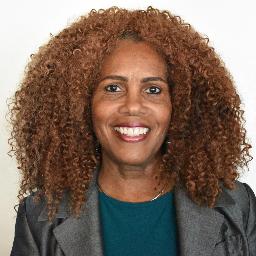
Dr. Shannon Holliker
LCSW
Florida 12 years in practice
Calm, practical support for parents and stress
- Stress, Anxiety
- Self esteem
- Coping with life changes
Therapists for parents
7,965 therapists list both parenting and communication problems among the things they work with. All offer sessions online; each profile shows the states they are licensed in.
This page highlights therapists who list communication problems among their specialties. You will find profile details such as focus areas, common approaches, credentials, languages, and relevant experience. Browse the listings below to learn about professionals who address communication challenges across ages and family situations.
LCSW
Florida 12 years in practice
Calm, practical support for parents and stress
LPC
Arkansas 9 years in practice
Calm guidance for stressful parenting seasons
LPC
Texas 10 years in practice
Supportive counselor who tailors therapy to you
New Jersey 33 years in practice
Guiding practical change with steady clinical experience
LPC-MH
South Dakota 19 years in practice
Compassionate counseling for everyday parenting challenges
LMFT
Hawaii 20 years in practice
Calm, practical support for parenting challenges
LMFT
Texas 15 years in practice
Compassionate therapist focused on practical change
LISW
Ohio 20 years in practice
Practical, respectful therapy for life changes
FL Psychologist
Florida 35 years in practice
Experienced psychologist for parenting and relationships
LMHC
Florida 25 years in practice English, French
Therapist focused on practical healing
LPC
Texas 10 years in practice
Supportive counselor for parenting and mood concerns
LPC
Missouri 27 years in practice
Kind, practical help for parents and adults
LPC
Oklahoma 6 years in practice
Compassionate, practical support for parenting and life challenges
LCPC
Illinois 3 years in practice
Practical, strengths-based counseling for parents and individuals
Oregon 15 years in practice
Helpful guidance for stress and parenting challenges
LMHC
Iowa 9 years in practice
Compassionate, practical help for parenting stress
LCSW
Louisiana 20 years in practice
Supportive LCSW for practical parenting help
LCSW
Florida 3 years in practice
Support for parents and caregivers
LSCSW
Kansas 12 years in practice
Calm, practical support for parenting challenges
LCSW
Louisiana 30 years in practice
Compassionate social worker helping parents and individuals
LMHC
New York 10 years in practice English, Hebrew
Helpful support for addiction and parenting concerns
LPC
Texas 12 years in practice
Compassionate counselor for parenting and life changes
LPC
Oklahoma 3 years in practice
Thoughtful counselor blending change and acceptance
LMHC
Florida 21 years in practice
Compassionate, practical support for parenting challenges
LMFT
Florida 14 years in practice
Practical support for parenting and life transitions
LMHC
Florida 20 years in practice
Calm, practical care for life's transitions
LPC
Idaho 40 years in practice
Experienced counselor for parenting stress
LPC
Wisconsin 12 years in practice
Supportive, practical therapy for parents
LPC
Texas 16 years in practice
Calm, practical support for parenting and relationships
LCSW
Illinois 3 years in practice English, Spanish
Practical, compassionate help for everyday parenting challenges
LPCC
California 38 years in practice
Calm, experienced counselor for parents and adults
LMHC
New York 5 years in practice
Practical, person-focused support for stressed parents
LCSW
California 5 years in practice
Supportive LCSW for stress and parenting concerns
LPC
Texas 20 years in practice
Calm, practical support for parenting and life stress
MD, LSCSW
Maryland 5 years in practice
Practical support for stress and parenting challenges
LCSW
Louisiana 4 years in practice
Support for parents and life changes
LMFT
Arizona 6 years in practice
Practical support for parenting and relationships
LMHC
Florida 3 years in practice
Supportive counselor focused on parenting and life changes
LPC
Missouri 17 years in practice
Support for stressed parents and adults
LMHC
Florida 30 years in practice
Experienced counselor focused on practical solutions
LCSW
Florida 6 years in practice
Supportive LCSW for practical parenting challenges
LPC
Louisiana 5 years in practice
Practical support for stressful life transitions
California 22 years in practice
Calm, practical therapy for parenting and life stress
LPC
Texas 22 years in practice
Supportive LPC for parenting and life stress
Texas 3 years in practice
Calm, practical support for parenting and life strain
LCSW
New York 25 years in practice English, Spanish
Practical skills for stress and parenting challenges
LPC
Texas 25 years in practice
Supportive counselor for parents and families
LCSW, LISW-CP
North Carolina 10 years in practice
Faith-friendly social worker for practical change
Some links on this page are partner links. We will earn a commission if you sign up through one, at no cost to you. It does not change what you pay or the order of the listings.
Communication problems cover a wide range of patterns that make it harder for people to share needs, emotions, and information. You might think of communication difficulties as only about words, but they also involve tone, body language, listening habits, timing, and the ability to read social cues. These patterns can show up in romantic relationships, parent-child interactions, friendships, school settings, and at work. When you experience repeated misunderstandings, frequent arguments that feel circular, or persistent withdrawal from conversations, communication issues are often at the center.
Communication challenges can affect your sense of connection and your capacity to solve everyday problems together. They can make negotiations feel exhausting and leave both sides feeling blamed or unheard. For parents, miscommunication with children or teens can erode routines and discipline strategies. For couples, it can turn small disagreements into long-standing resentments. You do not need an extreme crisis to benefit from focused work on communication - improving how you and others exchange information and emotion can change the tone of daily life and reduce repeated friction.
You might consider therapy when communication issues interfere with your goals or cause ongoing distress. Common signs include frequent arguments that follow the same pattern, a sense that conversations end without resolution, or feeling like you and another person are speaking different languages emotionally. If you notice consistent misunderstandings about expectations, recurring feelings of loneliness despite being in relationships, or avoidance of difficult conversations, these are indicators that focused support could help.
Other signs include difficulty expressing needs without fear of judgment, feeling criticized every time you try to share, or being unable to listen without becoming defensive. In parenting, you may see stubborn noncompliance, escalating power struggles, or a gap between what you intend to communicate and what your child understands. You might also notice that communication problems worsen during times of stress or life transitions. Therapy can help you identify the patterns that keep conversations stuck and build practical tools to change them.
When you begin therapy for communication challenges, sessions typically start with a focus on understanding the patterns that underlie your interactions. Your therapist will ask about situations where communication breaks down, how you feel during and after those interactions, and what you would like to be different. Early work often involves mapping recurring cycles of behavior - for example, how a request leads to withdrawal, which leads to escalation, and so on. That map gives you and your therapist a clear target for change.
Therapy sessions commonly include role-play and in-session practice so you can try different wording, pacing, and body language in a low-pressure setting. Homework between sessions is frequently used to help you practice skills in real life and then bring observations back for refinement. You may also work on emotion regulation strategies so that difficult conversations are less likely to be derailed by stress. The pace of progress varies, but many people notice small shifts in tone and clarity after a few focused practice sessions.
One common approach involves identifying unhelpful thoughts and assumptions that shape how you respond in conversations. Therapists who list cognitive-behavioral therapy among their approaches generally help you notice automatic interpretations - such as assuming criticism when none was intended - and try alternative interpretations. That work can reduce reactive responses and open space for clearer expression.
Another approach centers on understanding and communicating your underlying emotions. Therapists who list emotion-focused techniques among their approaches often help you and others translate surface behaviors into the deeper feelings that drive them. That translation can shift the focus from blame to understanding and make it easier to respond with empathy.
When communication problems occur between partners or within a family, systemic approaches look at the patterns that keep interactions stuck. Therapists who list couples therapy or family systems among their approaches may help you see how roles, expectations, and historical interactions contribute to current problems. The work emphasizes changing interactional patterns rather than assigning individual fault.
Some therapists emphasize practical skills training, teaching concrete techniques for listening, asserting needs, and giving feedback. Therapists who list communication skills training among their approaches typically introduce exercises for clarifying requests, using "I" statements, and pausing to reflect before responding. Over time these habits can replace impulsive reactions.
Online therapy offers flexible ways to address communication challenges when in-person sessions are difficult to schedule. Video sessions allow you to practice face-to-face skills and receive immediate feedback on tone and nonverbal cues. Many therapists use screen-sharing to review exercises, send worksheets, or demonstrate communication models. If travel or childcare is a barrier, remote sessions can reduce logistical friction and allow you to focus on skill-building.
When you choose online sessions, think about the environment where you will participate. A quiet room, stable internet connection, and minimized interruptions help you engage fully. Some therapists also offer brief messaging or emailed exercises between sessions to support practice and reflection. Online therapy can be especially helpful if you want to involve family members who live in different locations or include work colleagues in structured communication coaching. The format does not change the core goals - clarifying patterns, practicing new behaviors, and strengthening your ability to express and receive information effectively.
Start by looking for therapists who explicitly list communication problems among their specialties and who describe approaches that fit your goals. Pay attention to whether they note experience with families, couples, parenting, adolescence, or workplace dynamics depending on your context. You may prefer someone who lists collaborative work with speech-language professionals if language development is a factor for a child, or someone who lists couples or family systems for relational patterns.
Consider practical match factors like credential type, years of experience, languages offered, and whether the therapist describes a collaborative, skills-oriented approach or a deeper process-focused style. It is reasonable to look for descriptions of session structure so you know whether the therapist emphasizes in-session practice, homework, or observational feedback. If cultural background, parenting philosophy, or faith perspective matters to you, look for therapists who mention these areas in their profiles. Finally, plan to prioritize a therapist you feel comfortable with and who communicates expectations about how they work during the first sessions - that fit often matters as much as approach descriptions.
Working on communication is a practical investment. By clarifying patterns, practicing new ways of speaking and listening, and adopting simple routines for difficult conversations, you can reduce recurring conflict and improve everyday connection. Use the listings below to review profiles and learn more about therapists who work with communication problems so you can select someone whose emphasis aligns with your needs and goals.