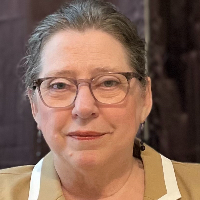
Jamie Daugherty
LPC
Arkansas 9 years in practice
Calm guidance for stressful parenting seasons
- Stress, Anxiety
- Family
- Self esteem
Therapists for parents
6,489 therapists list both parenting and forgiveness among the things they work with. All offer sessions online; each profile shows the states they are licensed in.
Browse counselor profiles below to find clinicians who list forgiveness among their specialties. Learn about approaches, experience, and focus areas so you can decide which listings to explore further.
LPC
Arkansas 9 years in practice
Calm guidance for stressful parenting seasons
LPC
Texas 10 years in practice
Supportive counselor who tailors therapy to you
LPC-MH
South Dakota 19 years in practice
Compassionate counseling for everyday parenting challenges
LMFT
Hawaii 20 years in practice
Calm, practical support for parenting challenges
LMFT
Texas 15 years in practice
Compassionate therapist focused on practical change
LISW
Ohio 20 years in practice
Practical, respectful therapy for life changes
FL Psychologist
Florida 35 years in practice
Experienced psychologist for parenting and relationships
LMHC
Florida 25 years in practice English, French
Therapist focused on practical healing
LPC
Texas 10 years in practice
Supportive counselor for parenting and mood concerns
LPC
Missouri 27 years in practice
Kind, practical help for parents and adults
LPC
Oklahoma 6 years in practice
Compassionate, practical support for parenting and life challenges
LCPC
Illinois 3 years in practice
Practical, strengths-based counseling for parents and individuals
LMHC
Iowa 9 years in practice
Compassionate, practical help for parenting stress
LCSW
Louisiana 20 years in practice
Supportive LCSW for practical parenting help
LCSW
Florida 3 years in practice
Support for parents and caregivers
LPC
Texas 12 years in practice
Compassionate counselor for parenting and life changes
LPC
Oklahoma 3 years in practice
Thoughtful counselor blending change and acceptance
LMHC
Florida 21 years in practice
Compassionate, practical support for parenting challenges
LMFT
Florida 14 years in practice
Practical support for parenting and life transitions
LMHC
Florida 20 years in practice
Calm, practical care for life's transitions
LPC
Idaho 40 years in practice
Experienced counselor for parenting stress
LPC
Wisconsin 12 years in practice
Supportive, practical therapy for parents
LPC
Texas 16 years in practice
Calm, practical support for parenting and relationships
LMHC
New York 5 years in practice
Practical, person-focused support for stressed parents
LCSW
California 5 years in practice
Supportive LCSW for stress and parenting concerns
LPC
Texas 20 years in practice
Calm, practical support for parenting and life stress
MD, LSCSW
Maryland 5 years in practice
Practical support for stress and parenting challenges
LCSW
Louisiana 4 years in practice
Support for parents and life changes
LMHC
Florida 3 years in practice
Supportive counselor focused on parenting and life changes
LMHC
Florida 30 years in practice
Experienced counselor focused on practical solutions
LCSW
Florida 6 years in practice
Supportive LCSW for practical parenting challenges
MD, LCSW-C
Maryland 20 years in practice
Practical help for stress and parenting
LPC
Louisiana 5 years in practice
Practical support for stressful life transitions
California 22 years in practice
Calm, practical therapy for parenting and life stress
LPC
Texas 22 years in practice
Supportive LPC for parenting and life stress
Texas 3 years in practice
Calm, practical support for parenting and life strain
LCSW
New York 25 years in practice English, Spanish
Practical skills for stress and parenting challenges
LPC
Texas 25 years in practice
Supportive counselor for parents and families
LCSW, LISW-CP
North Carolina 10 years in practice
Faith-friendly social worker for practical change
LMHC
Florida 15 years in practice
Calm, practical support for life’s hard moments
Missouri 12 years in practice
Practical support for stress and parenting challenges
LPC
Georgia 15 years in practice
Practical counseling for stress and parenting concerns
LCSW
Louisiana 29 years in practice
Practical, experienced support for everyday struggles
LPC
Colorado 26 years in practice English, Spanish
Warm counselor focused on family and parenting support
LCSW
California 12 years in practice English, Spanish
Client-centered therapist for parenting concerns
LPC
South Carolina 8 years in practice
Practical support for parenting and life transitions
LPC
Texas 37 years in practice
Compassionate counselor using creativity and insight
Wisconsin 11 years in practice
Compassionate, practical support for parenting and life changes
Some links on this page are partner links. We will earn a commission if you sign up through one, at no cost to you. It does not change what you pay or the order of the listings.
Forgiveness is often described as a process rather than a single action. For some people it means letting go of ongoing resentment toward someone who hurt you. For others it can mean changing the story you tell about an event so that it no longer defines your daily emotional life. Forgiveness can be directed outward toward another person or inward toward yourself. It does not necessarily mean forgetting what happened or restoring a relationship. Instead, it can mean finding a way to live that reduces the hold the hurt has over you and opens space for other feelings and choices.
When forgiveness is moving forward, you may notice small but meaningful shifts in how you react to reminders of the event you experienced. Thoughts that once triggered intense anger or rumination may lose some of their intensity. You might sleep better, feel less consumed by planning retaliation, or find it easier to focus at work or with family. That said, the path is rarely linear. You may experience good days and hard days, and you may still set boundaries or choose not to reengage with the person who caused harm. Therapy focused on forgiveness helps you track these shifts and make decisions that reflect your values and needs.
You might consider forgiveness-oriented therapy if you notice persistent anger, intrusive memories, or ongoing distress related to a past hurt that interferes with your daily life. If you find yourself replaying the incident in your mind, feeling stuck in cycles of blame, or engaging in behaviors that harm your wellbeing - such as social withdrawal, substance use, or repeated conflicts - these can be signals that working on forgiveness with a counselor could help. Therapy can give you a space to untangle those patterns and develop new responses that reduce emotional reactivity.
Difficulty trusting others, recurring relationship problems, or a harsh inner voice that blames you for what happened are also common reasons people seek forgiveness work. You might feel torn between wanting to move on and fearing that forgiving means excusing the hurt. That tension can affect parenting, friendships, and your sense of self. Counseling that focuses on forgiveness can help you explore how the wound shaped your identity and relationships, and how to rebuild a sense of agency without minimizing what you experienced.
At the start of forgiveness-focused work, your counselor will typically ask about the event or pattern of events that brought you to therapy, as well as what forgiveness would look like for you. You and the counselor will talk about realistic goals and timeframes, because forgiveness can be complex and may take months or longer. Sessions often include an assessment of how the hurt shows up in your thoughts, emotions, and behaviors, and what coping strategies you already use. That foundation helps shape a plan that aligns with your values and the pace you prefer.
Therapy sessions tend to move between exploration and practice. You may spend time processing emotions tied to the hurt, learning new ways to interpret events, rehearsing compassionate self-talk, and experimenting with behavioral changes. Expect moments of relief and moments of renewed pain as memories surface. Your counselor will help you develop skills to manage intense emotions when they arise and will encourage gentle, realistic progress rather than pressure to reach forgiveness on a set timeline. Boundaries, safety, and respect for your choices are central to the work.
Different counselors draw on different frameworks when they focus on forgiveness. Many use cognitive approaches that help you identify and reframe automatic thoughts that maintain anger or guilt. Emotion-focused strategies assist you in accessing and processing the feelings beneath those thoughts so they lose some of their power. Narrative approaches invite you to rewrite the story you tell about the event, placing it in a broader life context instead of letting it define you. You will often find counselors who list cognitive behavioral approaches, emotion-focused methods, or narrative therapy among their approaches.
Approaches that emphasize compassion and mindfulness can be especially helpful when shame or harsh self-criticism is present. These methods teach you to notice painful emotions without judgment and to cultivate a kinder inner stance. Some counselors incorporate trauma-informed language and pacing to ensure you feel safe while exploring deep wounds. You may also see counselors who list acceptance and commitment therapy, compassion-focused strategies, or mindfulness-based approaches among their approaches. Additionally, some profiles include therapists who list EMDR among their approaches to work with strong, intrusive memories; the presence of such an approach in a clinician's profile indicates it is among the tools they mention, not documentation of formal certification.
Online therapy connects you with counselors through video, phone, or messaging formats, which can make it easier to meet regularly without travel. Many people find that video sessions replicate the conversational dynamic of in-person meetings while allowing the comfort of being in a familiar setting. Messaging can provide a way to reflect between sessions, and phone sessions can be an alternative when video is not preferred. information-sharing boundaries practices and platform features vary, so you may want to ask a clinician how they handle records, communication, and session notes. Therapy conducted remotely can address forgiveness just as thoughtfully as in-person work when the clinician and you agree on a clear plan and pace.
When you look at profiles, pay attention to the ways clinicians describe their focus on forgiveness and related concerns such as trauma, grief, or relationship repair. Compare focus areas, approaches, credentials, languages, and clinical experience to find a profile that resonates with your needs and background. Read bios to get a sense of their writing style and values - do they mention boundaries, cultural perspective, or work with similar situations? You may want to contact a few counselors to learn about their approach to forgiveness, typical session structure, and how they measure progress. Consider practical matters that affect fit, such as communication style, cultural competence, and whether their approach emphasizes cognitive restructuring, emotional processing, or a values-oriented path. Trust your sense of comfort and clarity after an initial conversation; a good match often comes down to how you feel heard and understood as you describe your story.
Forgiveness work can be profound and gradual. By learning more about the process, exploring therapist profiles that mention forgiveness and related approaches, and connecting with clinicians whose descriptions match your priorities, you can find guidance that aligns with your pace and goals. Use the listings above to begin that search and to identify counselors whose perspectives and methods feel most relevant to your healing journey.