
- Years in practice
- 14
- Credentials
- LPC
- Licensed in
- Colorado, North Carolina, District of Columbia, Virginia, New Mexico
- Languages
- English
- Focus
- Stress, Anxiety
- Focus
- Addictions
- Focus
- Relationship issues
About Anne
Anne (Devon) Burnore is a Licensed Professional Counselor (LPC) with 14 years of clinical experience. She practices from North Carolina and helps adults facing a wide range of concerns, including parenting stress, anxiety, mood struggles, addictions, relationship and family tensions, and life transitions. Her style is direct, warm, and focused on what the client wants to change.
She centers sessions on the person in front of her. Clients set goals and the pace.
Background and approach
Anne uses clear, practical techniques to address current problems and build coping skills for daily life. Her work blends client-centered care with cognitive-behavioral tools. She also draws on dialectical behavior ideas and relationship-focused methods to address patterns that cause repeated hurt.
These approaches are used to help with things like managing intense emotions, improving communication, and shifting unhelpful thinking. Parents often come for help with stress, sleep, eating concerns, anger, and balancing career and caregiving demands. Anne also supports people coping with grief, trauma and abuse, chronic illness, and compassion fatigue.
She pays attention to attachment, blended family dynamics, and issues that come up after major life events. In sessions she blends practical skill-building with steady listening. Some days are about problem solving.
Other times are about making sense of painful feelings. Anne aims to help people leave therapy with clearer choices and more confidence in handling daily challenges.
What Anne works with
Everything Anne lists, in the therapist's own terms. Parenting is the reason this directory exists; the rest shows what else Anne helps people with.
- Stress, Anxiety
- Addictions
- Relationship issues
- Family conflicts
- Intimacy-related issues
- Trauma and abuse
- Grief
- Eating disorders
- Sleeping disorders
- Parenting issues
- Anger management
- Self esteem
- Career difficulties
- Bipolar disorder
- Depression
- Coping with life changes
- Coaching
- Compassion fatigue
- ADHD
- Abandonment
- Aging and geriatric issues
- Attachment issues
- Blended family issues
- Body image
- Cancer
- Caregiver issues and stress
- Chronic pain, illness, and disability
- Co-morbidity
- Codependency
- Commitment issues
- Communication problems
- Control issues
- Coping with natural or human-caused disaster
- Dependent personality
- Divorce and separation
- Drug and alcohol addiction
- Eating and food-related issues
- Emptiness
- Family of origin issues
- Family problems
- Fertility issues
- First responder issues
- Forgiveness
- Guilt and shame
- Hoarding
- Hospice and end-of-life counseling
- Impulsivity
- Infidelity
- Isolation / loneliness
- Jealousy
- Life purpose
- Midlife crisis
- Veteran and Armed Forces Issues
- Money and financial issues
- Mood disorders
- Narcissism
- Obsessions, compulsions, and OCD
- Panic disorder and panic attacks
- Paranoia
- Personality disorders
- Phobias
- Postpartum depression
- Post-traumatic stress
- Pregnancy and childbirth
- Prejudice and discrimination
- Process addiction (porn, exercise, gambling)
- Seasonal Affective Disorder (SAD)
- Self-harm
- Self-love
- Sex addiction
- Sexual assault and abuse
- Sexual dysfunction
- Sexuality
- Smoking / vaping cessation
- Social anxiety and phobia
- Somatization
- Traumatic brain injury
- Trichotillomania
- Visually impaired
- Women's issues
- Workplace issues
- Young adult issues
Approaches Anne lists
- Client-Centered Therapy
- Cognitive Behavioral Therapy (CBT)
- Dialectical Behavior Therapy (DBT)
- Existential Therapy
- Gottman Method
- Imago Relationship Therapy
- Mindfulness Therapy
- Motivational Interviewing
- Solution-Focused Therapy
- Somatic Therapy
- Trauma-Focused Therapy
- Internal Family Systems
Listing an approach is not evidence of training in it. This directory copies what each therapist names and does not check training records.
Therapeutic Approaches and How They Fit Online
Client-centered therapy focuses on the person's own goals and pace, with the therapist providing listening, empathy, and support as the client works toward change. This approach helps people clarify what matters to them and decide next steps for parenting, relationships, or self-care.Cognitive Behavioral Therapy, or CBT, helps people notice unhelpful thoughts and change behaviors that keep problems going. It is useful for anxiety, depression, sleep and eating issues, and practical stress management because sessions include specific strategies and homework to practice between meetings.
Dialectical Behavior Therapy, often called DBT, teaches skills to manage strong emotions, tolerate distress, and improve interpersonal effectiveness. It can be helpful when anger, intense mood swings, or relationship patterns create repeated conflict.
Finding the right approach is part of the work. The therapist will collaborate with each client to choose methods that match their goals, needs, and preferences. That decision can evolve as therapy continues and priorities shift.
Online sessions offer flexibility for busy parents and professionals. Video calls let people use gesture and expression to connect. Phone sessions can be a good option when bandwidth is limited or a brief check-in is needed. Live chat and text-based messaging allow short, timely exchanges for coaching, skill reminders, or when writing feels easier than speaking. These formats make it easier to fit therapy into work day schedules, caregiving routines, and other responsibilities.
Questions people ask about Anne
What kinds of issues does Anne address?
She helps people with stress, anxiety, depression, addictions, trauma, relationship and intimacy concerns, grief, sleep and eating problems, parenting issues, anger, self-esteem, career challenges, bipolar disorder, ADHD, and coping with life changes.
How would you describe her therapy style?
Her approach is client-centered and collaborative, with a focus on practical techniques. Sessions balance listening with skill-building using cognitive and behavioral tools.
How much clinical experience does she have?
She has 14 years of experience working in the mental health field across a range of settings and client concerns.
What are her credentials and where is she based?
She holds the LPC credential and practices from North Carolina. She also has licensure history in Colorado as noted in her background.
In what language are sessions offered?
Sessions are offered in English.
Which session formats are available?
She works with clients using video calls, phone sessions, live chat, and text-based messaging to fit different schedules and preferences.
How are sessions paid for and what does cost look like?
Costs vary with location and therapist availability; sessions use a subscription that can be canceled at any time.
What steps do I take to begin working together?
To start, select the Start Therapy button, complete a short matching questionnaire, and schedule a time based on therapist availability.
More therapists for parents in North Carolina
All in North Carolina
North Carolina 25 years in practice
Practical, compassionate care for parenting and life strain
- Stress, Anxiety
- Relationship
- Trauma and abuse

Anne Douglas
LMFT
North Carolina 25 years in practice
Calm, experienced guidance for parenting and life challenges
- Stress, Anxiety
- Relationship
- Family
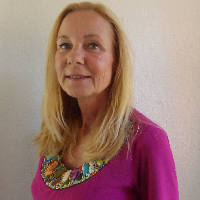
Jacqueline Baiada
LCSW
North Carolina 30 years in practice English, Danish
Compassionate therapist who challenges and supports change
- Relationship
- Anger
- Stress, Anxiety