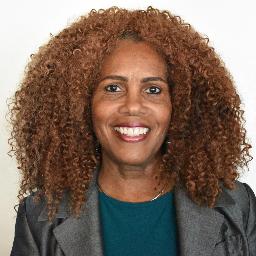
Shanua Smith
LPC-MH
South Dakota 19 years in practice
Compassionate counseling for everyday parenting challenges
- Stress, Anxiety
- Relationship
- Trauma and abuse
Therapists for parents
2,957 therapists list both parenting and eating disorders among the things they work with. All offer sessions online; each profile shows the states they are licensed in.
This directory page lists therapists who work with eating disorders so you can explore their profiles and approaches. Use the listings below to compare specialties, credentials, languages, and therapeutic styles as you search for a good fit.
LPC-MH
South Dakota 19 years in practice
Compassionate counseling for everyday parenting challenges
LCSW
South Carolina 14 years in practice
Practical therapy focused on strengths
LMFT
Hawaii 20 years in practice
Calm, practical support for parenting challenges
FL Psychologist
Florida 35 years in practice
Experienced psychologist for parenting and relationships
LMHC
Florida 25 years in practice English, French
Therapist focused on practical healing
LPC
Texas 10 years in practice
Supportive counselor for parenting and mood concerns
LPC
Missouri 27 years in practice
Kind, practical help for parents and adults
LPC
Idaho 40 years in practice
Experienced counselor for parenting stress
LPC
Texas 16 years in practice
Calm, practical support for parenting and relationships
LMHC
New York 5 years in practice
Practical, person-focused support for stressed parents
LPC
Missouri 17 years in practice
Support for stressed parents and adults
LMHC
Florida 30 years in practice
Experienced counselor focused on practical solutions
LCSW
Florida 6 years in practice
Supportive LCSW for practical parenting challenges
LPC
Louisiana 5 years in practice
Practical support for stressful life transitions
California 22 years in practice
Calm, practical therapy for parenting and life stress
LCSW, LISW-CP
North Carolina 10 years in practice
Faith-friendly social worker for practical change
LPC
Texas 37 years in practice
Compassionate counselor using creativity and insight
LPC
Louisiana 28 years in practice
Calm, practical counseling for real-life parenting challenges
LPCC
New Mexico 35 years in practice
Compassionate, practical support for parenting and life changes
LCSW
Wisconsin 20 years in practice
Calm, practical support for parenting stress
Virginia 25 years in practice
Compassionate, experienced psychologist for parenting concerns
LMHC
Florida 32 years in practice
Compassionate counselor for everyday challenges
Mississippi 22 years in practice
Compassionate counselor for parenting and life stress
LMHC
New York 25 years in practice
Compassionate support for parenting and life stress
LMFT
California 20 years in practice
Practical, values-focused therapy for everyday challenges
LICSW
Alabama 40 years in practice
Experienced LICSW focused on parenting and stress
LPC-MHSP
Tennessee 10 years in practice
Compassionate counselor for everyday parenting struggles
LCSW
Louisiana 5 years in practice
Supportive LCSW focusing on practical change
LCSW
Illinois 37 years in practice
Practical, person-centered therapy for parenting concerns
LMHC
Washington 50 years in practice
Supportive LMHC blending attachment and cognitive approaches
LCSW
Wisconsin 13 years in practice
Practical supportive therapy for everyday parenting pressures
LCMHC
Utah 7 years in practice
Practical, collaborative therapy for everyday challenges
Texas 7 years in practice
Compassionate, practical support for daily struggles
LPC
Alabama 26 years in practice
Practical counseling for parenting and daily stressors
Mississippi 23 years in practice
Goal-focused counselor for practical parenting support
LMFT
Florida 29 years in practice English, Spanish
Seasoned LMFT focused on practical support
LPC
Oklahoma 13 years in practice
Practical support for stress and parenting concerns
LCSW
Virginia 38 years in practice English, Spanish
Experienced therapist for parenting and trauma
Missouri 45 years in practice
Collaborative, experienced counselor for parenting concerns
LPC
Texas 5 years in practice
Focused, practical support for parenting and recovery
LCSW
Illinois 41 years in practice
Experienced, practical therapist for parenting challenges
LCSW
Florida 6 years in practice
Supportive LCSW for parenting and stress
LMSW
Michigan 25 years in practice
Experienced clinician focused on practical parenting support
LMSW
Michigan 40 years in practice
Gentle, experienced guide for life transitions
LCSW
California 20 years in practice
Practical therapy for parenting and life stress
LCSW
Florida 20 years in practice
Compassionate, practical support for parents and adults
LMHC
Rhode Island 20 years in practice
Practical support for parents and adults
LCPC
Illinois 10 years in practice
Helping parents find clearer breathing room
Some links on this page are partner links. We will earn a commission if you sign up through one, at no cost to you. It does not change what you pay or the order of the listings.
Eating disorders are complex conditions that involve patterns of disordered eating, body image concerns, and behaviors that can affect your daily life, relationships, and emotional well-being. They often include persistent thoughts about food, weight, or body shape and can show up as restrictive eating, binge eating, purging, or other compensatory behaviors. While commonly discussed diagnoses include anorexia nervosa, bulimia nervosa, and binge-eating disorder, many people experience symptoms that do not fit a single label yet still cause significant distress. Eating disorders can intersect with anxiety, depression, trauma responses, and other mental health challenges, which is why treatment frequently addresses both eating behaviors and underlying emotional or psychological factors.
The impact of an eating disorder is not only psychological. You may notice changes in energy, concentration, social engagement, or daily routines. Eating behaviors can influence your mood and physical health, and coping strategies that once felt manageable may become more rigid or consuming. Therapy aims to give you tools to lessen the hold of these patterns, improve your relationship with food and your body, and support sustainable changes in how you manage stress and emotions. If you are a parent, caregiver, or partner concerned about someone else, recognizing the pattern early and encouraging a respectful conversation about help can be important steps toward recovery.
You might consider looking for a therapist if eating-related thoughts or behaviors are interfering with your work, school, family life, or ability to enjoy activities. Noticeable signs include intense preoccupation with calories, restrictive eating that leads to weight loss or fatigue, frequent episodes of eating large amounts of food followed by feelings of shame or compensatory behaviors, or persistent dissatisfaction with your body that affects your self-esteem. You may also experience physical warnings such as unexpected weight changes, gastrointestinal distress, dizziness, or recurrent dieting that makes daily functioning harder.
Beyond physical signs, you might benefit from therapy if you find that eating behaviors are being used to manage difficult emotions like anxiety, sadness, loneliness, or anger. Therapy can help you identify triggers for those behaviors and develop other ways of coping. If you are a parent or caregiver, signs in a young person can include withdrawn behavior, avoidance of family meals, secrecy around eating, or sudden shifts in social activities. Seeking professional support is about finding help that matches what you are experiencing and getting guidance on next steps, which can include working with medical and nutritional professionals when needed.
When you begin therapy for an eating disorder, the first sessions typically involve assessment and building rapport. Your therapist will want to understand your history with food, body image, mood, and any related medical or social factors. You will work together to set goals that reflect what you want to change, whether that is reducing disordered behaviors, improving meal patterns, managing anxiety, or repairing relationships affected by the disorder. Therapy sessions often balance behavioral work with exploration of thoughts, emotions, and patterns that maintain the eating disorder.
Expect a range of therapeutic tasks depending on the therapist’s approach and your needs. That may include meal planning strategies in collaboration with a nutrition professional, skills practice to manage urges and emotional distress, cognitive work to address unhelpful beliefs about weight and shape, and family sessions when a relational approach is appropriate. Progress may feel gradual and include setbacks, which are common and not a sign of failure. Your therapist should explain how they work, what a typical session looks like, and how they coordinate care with physicians or dietitians when that is important for your safety and well-being.
Several therapeutic approaches are frequently used to address eating disorders, and therapists in this directory often list one or more of these among their approaches. Cognitive Behavioral Therapy, or CBT, is commonly used to help you identify and modify unhelpful thoughts and behaviors around food and body image. Family-based approaches involve caregivers and family members in supporting eating and recovery, and they may be a fit when a young person is involved. Dialectical Behavior Therapy, or DBT, emphasizes emotion regulation and distress tolerance skills and can be helpful if strong emotions or impulsive behaviors play a role in eating patterns.
Other approaches you may see listed include interpersonal therapy, which focuses on relationships and social roles that influence symptoms, and acceptance-based approaches that teach you to relate differently to difficult thoughts and feelings. Some therapists also integrate trauma-informed care when past experiences are linked to disordered eating, and many mention working alongside nutrition professionals to address meal planning and medical concerns. When reviewing profiles, note how each therapist describes their methods. The listings indicate approaches they use, but those listings are descriptive rather than evidence of formal certification in a given method.
Online therapy can increase access to clinicians who focus on eating disorders, especially if local options are limited. Virtual sessions typically take place over video or phone and can allow you to work with a clinician who matches your language, approach, and experience preferences. For some people, remote sessions make scheduling easier and reduce travel time, while for others hybrid models - combining in-person and online care - may be preferable. If physical monitoring is needed, such as weight checks or medical labs, your therapist can coordinate with your medical provider to ensure you receive appropriate monitoring alongside therapeutic support.
When choosing a therapist, think about the fit between their described approach and your goals. Look for therapists who list experience with eating disorder work and who describe how they integrate meal support, family involvement, or medical coordination when necessary. Consider practical preferences too - language, session format, and whether the therapist mentions collaboration with dietitians or physicians. Read profiles to understand how a clinician frames recovery and what kinds of strategies they emphasize. You may also want to note whether they discuss working with parents or caregivers if you are searching for help for a young person.
Trust your instincts about communication style and empathy. It is reasonable to reach out with questions about how they structure treatment, how they work with medical providers, and what they see as typical milestones in therapy. You do not need to commit long term right away; many people explore a few sessions to see how the relationship and approach feel. Prioritize therapists who explain their methods clearly and who respect your goals and pace. With thoughtful selection, you can find a clinician whose approach and demeanor support your path toward healthier eating patterns and improved emotional well-being.