- Years in practice
- 11
- Credentials
- LCMHC
- Licensed in
- North Carolina
- Languages
- English
- Focus
- Addictions
- Focus
- Self esteem
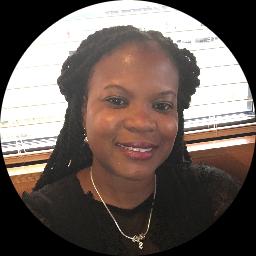
About Selma
Selma Smith is a licensed clinical mental health counselor in North Carolina with 11 years of experience. She offers steady, practical support for people facing stress, anxiety, depression, addiction concerns, and parenting challenges. Her manner is warm and respectful and she focuses on what helps in everyday life.
She listens for the problems that matter most and adapts conversations to each person's situation. Sessions focus on building coping skills, boosting motivation and self-esteem, and managing symptoms like sleep disruption or overwhelm.
Background and approach
She also addresses issues tied to trauma, grief, and caregiver strain. Selma gives straightforward guidance and works side by side with people as they try new strategies. That can mean breaking big problems into smaller steps, practicing communication approaches, or setting routines that improve sleep and mood.
She aims to make therapy useful and applicable between sessions. Her background includes long-term clinical work supporting people with substance use concerns, bipolar disorder, ADHD-related struggles, and compassion fatigue among caregivers and first responders. She draws on those experiences when tailoring a plan for each person.
Sessions are offered in English and delivered through video calls, phone, live chat, or text-based messaging. Costs vary by location and availability and use a subscription that can be canceled at any time. To begin, a person completes a short matching questionnaire and schedules according to therapist availability.
What Selma works with
Everything Selma lists, in the therapist's own terms. Parenting is the reason this directory exists; the rest shows what else Selma helps people with.
- Addictions
- Self esteem
- Coping with life changes
- Compassion fatigue
- Stress, Anxiety
- Family conflicts
- Trauma and abuse
- Grief
- Sleeping disorders
- Parenting issues
- Career difficulties
- Bipolar disorder
- Depression
- Coaching
- ADHD
- Abandonment
- Adoption and foster care
- Aging and geriatric issues
- Caregiver issues and stress
- Communication problems
- Control issues
- Coping with natural or human-caused disaster
- Dissociation
- Domestic violence
- Drug and alcohol addiction
- Family problems
- Fatherhood issues
- First responder issues
- Forgiveness
- Guilt and shame
- Impulsivity
- Isolation / loneliness
- Life purpose
- Money and financial issues
- Mood disorders
- Post-traumatic stress
- Self-love
- Social anxiety and phobia
- Women's issues
- Workplace issues
- Young adult issues
Evidence-based approaches and online care
Many people find benefit from structured, skills-based work that focuses on managing symptoms and improving day-to-day functioning. One common approach emphasizes building practical coping skills for stress and anxiety, such as breath work, activity scheduling, and step-by-step problem solving; these methods help when worry, overwhelm, or sleep problems get in the way of daily life.Another helpful route targets motivation, mood, and routines for those dealing with depression, bipolar symptoms, or addictive patterns. This approach looks at small behavior changes, tracking progress, and developing strategies to reduce harmful habits while increasing healthy activities and supports.
Finding the right mix of techniques is a collaborative process. The therapist will listen to a person’s goals and struggles, try approaches that match those needs, and adjust plans based on what proves most useful. Clients and the therapist work together to choose methods that feel practical and doable.
Online therapy here uses video calls, phone sessions, live chat, or text-based messaging. Video works well for deeper conversations and visual cues, phone can be simpler when bandwidth is limited, live chat is a quick option for shorter check-ins, and messaging supports ongoing reminders and small updates between sessions. These formats make scheduling easier and help fit sessions into busy lives.
Questions people ask about Selma
What concerns does Selma commonly help with?
She works with stress, anxiety, depression, bipolar issues, addictions, sleep problems, and parenting-related challenges among other concerns.
What is her therapeutic style like?
The approach is practical and client-focused, emphasizing clear strategies, small steps, and conversations tailored to everyday life.
How much experience does she have?
She has 11 years of professional work experience as a licensed clinician in North Carolina.
What credentials and region are listed?
She holds the LCMHC credential and practices in North Carolina.
Are sessions offered in other languages or internationally?
Sessions are offered in English and she is not accepting international clients at this time.
What session formats are available?
Therapy is provided via video calls, phone sessions, live chat, and text-based messaging to suit different needs and schedules.
How are fees and payment handled?
Costs vary by location and therapist availability and services use a subscription model that can be canceled at any time.
How do I begin working with her?
Start by selecting the Start Therapy button, completing a short matching questionnaire, and then scheduling based on therapist availability.
More therapists for parents in North Carolina
All in North Carolina
North Carolina 25 years in practice
Practical, compassionate care for parenting and life strain
- Stress, Anxiety
- Relationship
- Trauma and abuse

Anne Douglas
LMFT
North Carolina 25 years in practice
Calm, experienced guidance for parenting and life challenges
- Stress, Anxiety
- Relationship
- Family
Jacqueline Baiada
LCSW
North Carolina 30 years in practice English, Danish
Compassionate therapist who challenges and supports change
- Relationship
- Anger
- Stress, Anxiety