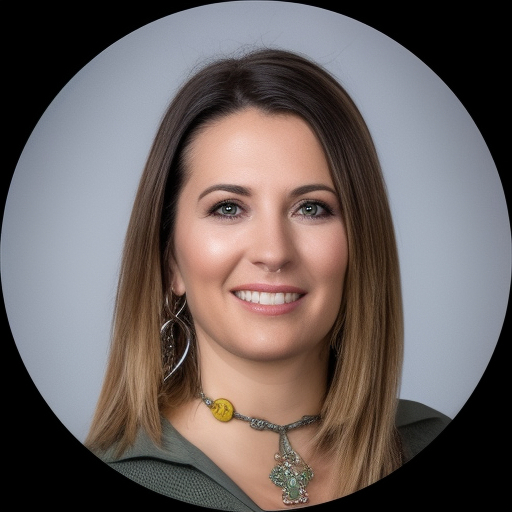
- Years in practice
- 10
- Credentials
- LCMHC
- Licensed in
- Utah
- Languages
- English
- Focus
- Stress, Anxiety
- Focus
- Addictions
- Focus
- Relationship issues
About Monica
Monica Rawlings is a licensed clinical mental health counselor (LCMHC) in Utah who helps people facing stress and big life changes. She talks with clients about anxiety, depression, addiction, grief, and parenting concerns in a calm, straightforward way. Monica aims to meet people where they are and build practical steps forward together.
Her style is collaborative and person-centered. She listens for what matters most to each person and uses that as the starting point for change.
Background and approach
Sessions focus on clearer communication, healthier coping skills, and small shifts that add up over time. Monica draws on a mix of approaches to match a client’s needs. She uses attachment ideas to look at how early relationships shape current patterns.
She also uses cognitive behavioral techniques to identify unhelpful thoughts and habits, and dialectical strategies to manage intense emotions. She brings ten years of experience to sessions and pays attention to identity and difference, including LGBTQ+ concerns and neurodivergent experiences. Monica supports people facing body image problems, trauma and abuse, intimacy and relationship difficulties, and challenges tied to work or caregiving.
People who choose Monica can expect practical tools alongside reflective conversations. She encourages steady progress rather than quick fixes. If you want a therapist who combines empathy with clear strategies, Monica offers a steady presence and a focus on realistic goals.
What Monica works with
Everything Monica lists, in the therapist's own terms. Parenting is the reason this directory exists; the rest shows what else Monica helps people with.
- Stress, Anxiety
- Addictions
- Relationship issues
- Trauma and abuse
- Depression
- LGBT
- Family conflicts
- Grief
- Intimacy-related issues
- Eating disorders
- Parenting issues
- Anger management
- Self esteem
- Bipolar disorder
- Coping with life changes
- ADHD
- Abandonment
- Antisocial personality
- Attachment issues
- Autism and Asperger Syndrome
- Avoidant personality
- Body image
- Cancer
- Caregiver issues and stress
- Chronic pain, illness, and disability
- Co-morbidity
- Codependency
- Communication problems
- Control issues
- Coping with natural or human-caused disaster
- Dependent personality
- Disruptive Mood Dysregulation Disorder (DMDD)
- Dissociation
- Divorce and separation
- Domestic violence
- Drug and alcohol addiction
- Emptiness
- Family of origin issues
- Family problems
- First responder issues
- Forgiveness
- Guilt and shame
- Hoarding
- Impulsivity
- Intellectual disability
- Isolation / loneliness
- Jealousy
- Life purpose
- Men's issues
- Midlife crisis
- Veteran and Armed Forces Issues
- Money and financial issues
- Mood disorders
- Multicultural concerns
- Narcissism
- Obsessions, compulsions, and OCD
- Panic disorder and panic attacks
- Paranoia
- Personality disorders
- Phobias
- Polyamory / non-monogamous relationships
- Postpartum depression
- Post-traumatic stress
- Pregnancy and childbirth
- Prejudice and discrimination
- Process addiction (porn, exercise, gambling)
- Seasonal Affective Disorder (SAD)
- Self-harm
- Self-love
- Sex addiction
- Sexual assault and abuse
- Sexual dysfunction
- Sexuality
- Smoking / vaping cessation
- Social anxiety and phobia
- Somatization
- Traumatic brain injury
- Trichotillomania
- Visually impaired
- Women's issues
- Workplace issues
- Young adult issues
Approaches Monica lists
- Attachment-Based Therapy
- Client-Centered Therapy
- Cognitive Behavioral Therapy (CBT)
- Dialectical Behavior Therapy (DBT)
- Existential Therapy
- Eye Movement Desensitization and Reprocessing (EMDR)
- Gottman Method
- Mindfulness Therapy
- Motivational Interviewing
- Solution-Focused Therapy
- Somatic Therapy
- Trauma-Focused Therapy
Listing an approach is not evidence of training in it. This directory copies what each therapist names and does not check training records.
How Monica’s approach works online
Attachment-based work looks at how early relationships shape current reactions and trust. In short sessions this helps people notice repeating patterns and try different ways of connecting or setting boundaries. Cognitive behavioral therapy focuses on the thoughts and actions that keep problems going, with clear exercises to shift unhelpful patterns and reduce anxiety or low mood.Finding the right approach is part of the work. Monica collaborates with each person to decide which methods fit their goals and preferences. She tailors interventions as issues change so therapy stays practical and relevant rather than fixed to one method.
Online formats offer flexibility for busy lives. Video calls let people use visual cues and do deeper skill practice. Phone sessions are useful when bandwidth is low or when someone prefers not to be on camera. Live chat and text messaging work well for quick check-ins, homework support, or shorter session-style conversations. These options make it easier to keep therapy consistent around work, caregiving, or travel.
Questions people ask about Monica
What concerns does Monica commonly help with?
She works with people dealing with stress, anxiety, depression, addiction, grief, and parenting challenges, along with intimacy and relationship issues.
What is her general therapeutic style?
Her approach is collaborative and person-centered, combining listening with practical exercises to build coping skills and improve communication.
How much clinical experience does she have?
Monica has ten years of experience supporting people through trauma, mood concerns, life transitions, and related challenges.
What are her credentials and practice location?
She holds the credential LCMHC and practices as a licensed clinician in Utah.
Which languages and international clients are supported?
Sessions are offered in English and she accepts international clients.
In what formats are sessions offered?
Sessions can be scheduled as video calls, phone sessions, live chat, or text-based messaging.
How are costs handled for sessions?
Cost varies with location and therapist availability; sessions use a subscription model that can be canceled at any time.
What is the first step to begin working together?
Start by selecting the Start Therapy button, complete a short matching questionnaire, and schedule a session according to the therapist's availability.
More therapists for parents in Utah
All in Utah
Heather Malin
LCPC, LMHC
Utah 15 years in practice
Compassionate therapist and practical life coach
- Stress, Anxiety
- Relationship
- Self esteem

Brandy Terry
LMHC
Utah 12 years in practice
Compassionate counselor focused on practical change
- Stress, Anxiety
- Family
- Trauma and abuse

Dr. Kimberly Walsh
UT Psychologist
Utah 32 years in practice
Change-focused psychologist for parents and individuals
- Stress, Anxiety
- Self esteem
- Bipolar