- Years in practice
- 20
- Credentials
- LCMHC
- Licensed in
- North Carolina
- Languages
- English
- Focus
- Stress, Anxiety
- Focus
- Career difficulties
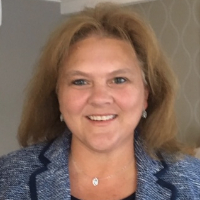
About Michelle
Michelle Gross is a Licensed Clinical Mental Health Counselor (LCMHC) with two decades of experience supporting people through stress, anxiety, ADHD, depression, grief, and parenting challenges. She combines practical coaching skills with clinical counseling to help clients get unstuck and make changes that work in daily life.
Michelle draws on a business background to help professionals and caregivers manage competing priorities and reduce overwhelm. She uses straightforward strategies to turn insight into action.
Background and approach
Sessions focus on building self-awareness, small habit changes, and tools that fit each person’s routine. Michelle helps people identify strengths, organize tasks, and set realistic goals so progress feels doable. Her work with ADHD centers on practical coping techniques for adolescents, college students, and adults.
That includes time management, task planning, and adapting routines to match how someone’s attention works. For parents, she offers clear, person-focused support for the stress and sleep or behavior concerns that often come with raising children. Michelle blends client-centered listening with cognitive behavioral techniques and mindfulness practices.
She also uses dialectical behavior therapy skills and motivational interviewing when they fit a client’s goals. This mix lets her tailor sessions to problem-solving, emotion regulation, or motivation as needed. Before counseling, Michelle earned a Master’s in Counseling and an MBA from Wake Forest University.
Her background includes work in schools, universities, corporations, and independent practice. That variety informs an adaptable style that aims for practical results and steady progress.
What Michelle works with
Everything Michelle lists, in the therapist's own terms. Parenting is the reason this directory exists; the rest shows what else Michelle helps people with.
- Stress, Anxiety
- Career difficulties
- Coping with life changes
- Coaching
- ADHD
- Addictions
- Relationship issues
- Family conflicts
- Trauma and abuse
- Grief
- Intimacy-related issues
- Eating disorders
- Sleeping disorders
- Parenting issues
- Anger management
- Self esteem
- Bipolar disorder
- Depression
- Compassion fatigue
- Aging and geriatric issues
- Blended family issues
- Caregiver issues and stress
- Co-morbidity
- Communication problems
- Control issues
- Coping with natural or human-caused disaster
- Divorce and separation
- Domestic violence
- Emptiness
- Family problems
- First responder issues
- Forgiveness
- Hospice and end-of-life counseling
- Impulsivity
- Infidelity
- Isolation / loneliness
- Life purpose
- Midlife crisis
- Veteran and Armed Forces Issues
- Money and financial issues
- Postpartum depression
- Post-traumatic stress
- Pregnancy and childbirth
- Seasonal Affective Disorder (SAD)
- Self-love
- Social anxiety and phobia
- Women's issues
- Workplace issues
Approaches Michelle lists
- Client-Centered Therapy
- Cognitive Behavioral Therapy (CBT)
- Dialectical Behavior Therapy (DBT)
- Mindfulness Therapy
- Motivational Interviewing
- Narrative Therapy
- Solution-Focused Therapy
- Trauma-Focused Therapy
Listing an approach is not evidence of training in it. This directory copies what each therapist names and does not check training records.
How practical therapy methods translate online
Client-centered work focuses on listening and following the client’s lead to build trust and clarify goals. It helps with motivation, life transitions, and figuring out what matters most to you. Cognitive behavioral therapy (CBT) looks at patterns of thinking and behavior and adds simple experiments and skill practice to reduce overwhelm and reactivity. CBT is useful for anxiety, depression, and common parenting stressors. Dialectical behavior therapy (DBT) brings skills for regulating emotions, handling frustration, and improving communication in tense moments.Finding the right approach is part of therapy. The therapist will talk with you about your needs, goals, and preferences and try methods that fit your situation. That collaborative process helps decide whether to focus on thoughts and actions, emotional skills, or acceptance and problem-solving.
Online sessions are offered by video call, phone, live chat, or text-based messaging to match different needs. Video calls work well for in-depth sessions that benefit from visual cues. Phone sessions can be easier when bandwidth is limited or you prefer not to be on camera. Live chat and text conversations are useful for quick check-ins, homework support, or shorter coaching-style contact. These options make it easier to schedule sessions around work, school, or caregiving duties and keep therapy consistent.
Questions people ask about Michelle
What concerns does Michelle help with?
She supports people facing stress, anxiety, ADHD, depression, grief, parenting challenges, and related issues such as sleep, eating, and anger.
What is her therapeutic style like?
The approach is practical and collaborative, focusing on self-awareness, measurable goals, and small habit changes that fit daily life.
How much experience does she have?
Michelle brings 20 years of experience in counseling, coaching, and education across schools, universities, corporations, and independent practice.
What are her credentials and where is she based?
She holds the LCMHC credential and is based in North Carolina.
Which languages and international options are supported?
Sessions are offered in English, and she accepts international clients.
What formats are used for sessions?
Therapy is offered via video calls, phone sessions, live chat, and text-based messaging.
How does payment and cost work?
Cost varies with location and therapist availability; sessions use a subscription that can be canceled at any time.
How do I begin working with her?
Start by selecting the Start Therapy button, complete a short matching questionnaire, and then schedule sessions according to therapist availability.
More therapists for parents in North Carolina
All in North Carolina
North Carolina 25 years in practice
Practical, compassionate care for parenting and life strain
- Stress, Anxiety
- Relationship
- Trauma and abuse

Anne Douglas
LMFT
North Carolina 25 years in practice
Calm, experienced guidance for parenting and life challenges
- Stress, Anxiety
- Relationship
- Family
Jacqueline Baiada
LCSW
North Carolina 30 years in practice English, Danish
Compassionate therapist who challenges and supports change
- Relationship
- Anger
- Stress, Anxiety