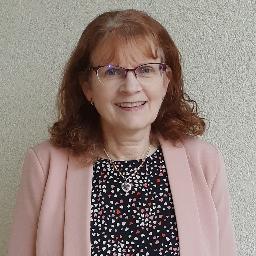
Mary Beth Adams, LPC
Calm, practical therapy for everyday parenting strains
Explore online therapy options- Years in practice
- 10
- Credentials
- LPC
- Licensed in
- Virginia, South Carolina
- Languages
- English
- Focus
- Stress, Anxiety
- Focus
- Trauma and abuse
- Focus
- Self esteem
About Mary
Mary Beth Adams is a Licensed Professional Counselor (LPC) who focuses on practical, down-to-earth therapy. She uses clear tools to help people change thinking patterns and cope better. Her work often centers on stress, anxiety, depression, trauma, and parenting challenges.
She practices from South Carolina and meets with adults aged 18 and up. Mary Beth favors methods that teach useful skills people can use right away. She uses cognitive behavioral techniques such as cognitive restructuring and behavioral activation to shift unhelpful thoughts and habits.
Background and approach
Mindfulness skills are woven into sessions to reduce reactivity and build calm. Acceptance and Commitment Therapy ideas help clients clarify values and take meaningful actions. Sessions follow a client-centered way of working.
That means the person sets goals and the therapist adapts tools to fit those goals. She also draws on emotionally focused ideas when relationships and connection are central concerns. The overall aim is practical change you can notice in day-to-day life.
Mary Beth describes a holistic view that includes emotional and spiritual elements for clients who want that perspective. She listens, asks direct questions, and offers exercises to try between sessions. Many people come for help with grief, parenting stress, sleep problems, or career strain.
With ten years of experience, Mary Beth combines straightforward strategies and supportive conversation. New clients typically begin by sharing their story and setting clear goals. From there she collaborates on a plan focused on progress and usable skills.
What Mary works with
Everything Mary lists, in the therapist's own terms. Parenting is the reason this directory exists; the rest shows what else Mary helps people with.
- Stress, Anxiety
- Trauma and abuse
- Self esteem
- Depression
- Coping with life changes
- Addictions
- Relationship issues
- Family conflicts
- Grief
- Intimacy-related issues
- Sleeping disorders
- Parenting issues
- Career difficulties
- Bipolar disorder
- Coaching
- Compassion fatigue
- ADHD
- Abandonment
- Adoption and foster care
- Aging and geriatric issues
- Attachment issues
- Blended family issues
- Body image
- Cancer
- Caregiver issues and stress
- Chronic pain, illness, and disability
- Co-morbidity
- Commitment issues
- Communication problems
- Control issues
- Coping with natural or human-caused disaster
- Disruptive Mood Dysregulation Disorder (DMDD)
- Divorce and separation
- Domestic violence
- Emptiness
- Family of origin issues
- Family problems
- Forgiveness
- Guilt and shame
- Impulsivity
- Infidelity
- Isolation / loneliness
- Jealousy
- Life purpose
- Midlife crisis
- Veteran and Armed Forces Issues
- Mood disorders
- Panic disorder and panic attacks
- Paranoia
- Phobias
- Postpartum depression
- Post-traumatic stress
- Pregnancy and childbirth
- Seasonal Affective Disorder (SAD)
- Self-harm
- Self-love
- Sexual assault and abuse
- Social anxiety and phobia
- Visually impaired
- Women's issues
- Workplace issues
- Young adult issues
Approaches Mary lists
- Acceptance and Commitment Therapy (ACT)
- Client-Centered Therapy
- Cognitive Behavioral Therapy (CBT)
- Emotionally-Focused Therapy (EFT)
- Mindfulness Therapy
- Solution-Focused Therapy
- Trauma-Focused Therapy
Listing an approach is not evidence of training in it. This directory copies what each therapist names and does not check training records.
Practical approaches you can use online
Acceptance and Commitment Therapy (ACT) helps people notice thoughts without getting stuck and take actions that match their values. It is useful when life changes or parenting pressures make it hard to stay focused on what matters. Cognitive Behavioral Therapy (CBT) teaches clear steps to change thinking patterns and daily habits, such as using behavioral activation for low mood or cognitive restructuring for negative self-talk. Client-Centered Therapy centers the conversation on the person’s goals and experience, giving space for clients to set the pace and priorities of work.Finding the right mix of these approaches is part of the process. The therapist will work together with the client to choose methods that fit their goals, preferences, and day-to-day life. That collaborative decision means sessions can shift over time as needs change.
Online therapy offers practical flexibility. Video calls let people use visual cues and stronger conversational flow. Phone sessions can be easier when bandwidth is limited or when a shorter check-in is needed. Live chat and text-based messaging work well for quick updates, brief coaching, or added support between scheduled meetings. These options make it easier to fit therapy around parenting schedules, work, and other responsibilities while keeping the work focused and skill-oriented.
Questions people ask about Mary
What concerns does Mary Beth often address?
She works with adults on stress, anxiety, depression, trauma, parenting issues, relationship and intimacy questions, grief, sleep troubles, and challenges like addiction or ADHD.
What is her general therapy style?
Her style is practical and client-centered. She combines skill teaching with listening and collaborative goal-setting.
How much experience does she have?
Mary Beth has ten years of clinical experience working with adults in counseling settings.
Where is she licensed and based?
She practices from South Carolina and holds Licensed Professional Counselor credentials in South Carolina and Virginia.
Which languages are supported?
Sessions are offered in English only and international clients are not accepted.
What session formats are available?
She offers video calls, phone sessions, live chat, and text-based messaging to fit different schedules and needs.
How are fees handled?
Cost varies with location and therapist arrangement; sessions use a subscription model that can be canceled at any time.
How do I begin working with her?
Use the Start Therapy button, complete the short matching questionnaire, and then schedule sessions according to the therapist's availability.
More therapists for parents in South Carolina
All in South Carolina
Danielle Doskocil
LPC, LCMHC
South Carolina 24 years in practice
Practical, direct support for parents and caregivers
- Stress, Anxiety
- Addictions
- Family

South Carolina 16 years in practice
Support for parents and relationship stress
- Relationship
- Family
- Trauma and abuse

Jennifer Malkin
LPC
South Carolina 20 years in practice
Calm, practical support for stressed parents
- Stress, Anxiety
- LGBT
- Relationship