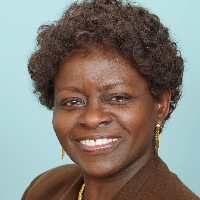
Dr. Shannon Holliker
LCSW
Florida 12 years in practice
Calm, practical support for parents and stress
- Stress, Anxiety
- Self esteem
- Coping with life changes
Therapists for parents
2,789 therapists list both parenting and ocd among the things they work with. All offer sessions online; each profile shows the states they are licensed in.
This page features therapists who indicate OCD as a focus, with profile details about approaches, credentials, languages, and clinical experience. Browse the listings below to explore practitioners whose focus areas and methods match what you are looking for.
LCSW
Florida 12 years in practice
Calm, practical support for parents and stress
LPC
Arkansas 9 years in practice
Calm guidance for stressful parenting seasons
LPC
Texas 10 years in practice
Supportive counselor who tailors therapy to you
LPC-MH
South Dakota 19 years in practice
Compassionate counseling for everyday parenting challenges
LMFT
Hawaii 20 years in practice
Calm, practical support for parenting challenges
LMHC
Florida 29 years in practice
Calm practical help for parents and life change
LPC
Missouri 27 years in practice
Kind, practical help for parents and adults
LPC
Oklahoma 6 years in practice
Compassionate, practical support for parenting and life challenges
LPC
Texas 12 years in practice
Compassionate counselor for parenting and life changes
LPC
Idaho 40 years in practice
Experienced counselor for parenting stress
LPC
Texas 16 years in practice
Calm, practical support for parenting and relationships
LCSW
Illinois 3 years in practice English, Spanish
Practical, compassionate help for everyday parenting challenges
LPCC
California 38 years in practice
Calm, experienced counselor for parents and adults
LPC
Texas 20 years in practice
Calm, practical support for parenting and life stress
LPC
Missouri 17 years in practice
Support for stressed parents and adults
LPC
Texas 22 years in practice
Supportive LPC for parenting and life stress
LCSW, LISW-CP
North Carolina 10 years in practice
Faith-friendly social worker for practical change
Missouri 12 years in practice
Practical support for stress and parenting challenges
LCSW
Louisiana 29 years in practice
Practical, experienced support for everyday struggles
LPC
Colorado 26 years in practice English, Spanish
Warm counselor focused on family and parenting support
LCSW
California 12 years in practice English, Spanish
Client-centered therapist for parenting concerns
LPC
Texas 37 years in practice
Compassionate counselor using creativity and insight
LPC
South Carolina 17 years in practice
Clear, practical counseling for parents and adults
LPC
Wisconsin 8 years in practice
Compassionate counselor focused on practical growth
LMHC
Florida 32 years in practice
Compassionate counselor for everyday challenges
LCSW, CSW
Colorado 23 years in practice
Experienced Colorado LCSW focused on parenting support
LPC
Oklahoma 4 years in practice
Practical support for stress and parenting challenges
LMHC
New York 4 years in practice English, Spanish
Practical support for stress and parenting challenges
LMFT
California 20 years in practice
Practical, values-focused therapy for everyday challenges
KS Psychologist
Kansas 24 years in practice
Practical, experienced psychologist for parenting support
LICSW
Alabama 40 years in practice
Experienced LICSW focused on parenting and stress
Oklahoma 7 years in practice
Supportive counselor for parenting and life change
Louisiana 24 years in practice
Practical support for parenting and life changes
LCSW
Mississippi 12 years in practice
Supportive LCSW focused on practical change
LPC
Tennessee 37 years in practice
Compassionate counselor focused on practical change
LCSW
Wisconsin 13 years in practice
Practical supportive therapy for everyday parenting pressures
LCMHC
Utah 7 years in practice
Practical, collaborative therapy for everyday challenges
LPC
Alabama 26 years in practice
Practical counseling for parenting and daily stressors
LMHC
Florida 34 years in practice
Compassionate guidance for caregiving parents
LCSW
New York 29 years in practice
Practical, collaborative therapy for stress and parenting
Louisiana 12 years in practice
Compassionate help for parenting and family stress
LPC
Mississippi 5 years in practice
Practical counseling for parenting and life challenges
LPC
Oklahoma 13 years in practice
Practical support for stress and parenting concerns
Missouri 45 years in practice
Collaborative, experienced counselor for parenting concerns
LPC
Texas 5 years in practice
Focused, practical support for parenting and recovery
LCSW
North Carolina 36 years in practice
Seasoned LCSW helping people through change
LPC
South Carolina 28 years in practice
Compassionate counselor for practical parenting help
LCSW
Illinois 41 years in practice
Experienced, practical therapist for parenting challenges
Some links on this page are partner links. We will earn a commission if you sign up through one, at no cost to you. It does not change what you pay or the order of the listings.
You may have heard the term obsessive-compulsive disorder, often shortened to OCD, but it helps to think of it as a pattern of persistent thoughts and repetitive behaviors that interfere with daily life. Obsessions are recurring intrusive thoughts, images, or urges that cause distress or anxiety. Compulsions are repetitive actions or mental rituals that a person may perform to reduce that distress or to prevent a feared outcome. For some people the rituals are visible - repeated checking, hand washing, or counting - while for others they occur as mental routines such as reviewing or neutralizing thoughts.
OCD can affect concentration, relationships, work or school performance, and your sense of well-being. The content of obsessions varies - contamination, harm, symmetry, taboo themes, and doubt are common examples - and the behaviors that follow are tailored to those fears. Symptoms can be intermittent or nearly constant, mild or severely disruptive. Because the pattern of worry and ritual can become familiar over time, you may notice that it feels like a cycle: intrusive thought, anxiety, ritual, temporary relief, and then new intrusive thought. Recognizing that pattern is often the first step toward seeking a different way of responding.
If you are wondering whether therapy could help, look for how much your thoughts and behaviors are shaping your choices and daily routines. You might find yourself avoiding places, tasks, or conversations to prevent triggers. You might set aside significant time each day for mental checking or physical rituals. Relationships can be strained if loved ones are asked to participate in rituals or if conversations are dominated by worry. You may notice fatigue, trouble concentrating, or feeling stuck in cycles that repeat despite your best efforts to stop.
Therapy is often sought when symptoms start to limit what you do or who you are with, or when the pattern of thoughts and rituals creates distress that you do not want to manage on your own. People also reach out when they have tried self-help strategies without lasting change, when anxiety has become overwhelming, or when the rituals themselves are causing physical problems like skin irritation from excessive washing. If you are considering therapy, it can help to think about the specific situations that prompt your anxiety, how you currently respond, and what you would like to be able to do differently.
When you begin therapy for OCD, the early sessions are often focused on understanding your particular pattern of obsessions and compulsions. A therapist will typically ask about the content of your worries, the situations that trigger them, and the rituals you perform in response. You and your therapist will work together to create a clear map of how thoughts, feelings, and behaviors interact in your daily life. This collaborative assessment helps to set concrete goals and to identify the strategies that are most likely to be useful for you.
Therapy sessions tend to be structured and goal-oriented. You may practice exercises during sessions and be given gentle practice to try between meetings. Expect a gradual pace - building skills for tolerating anxiety and learning new ways to respond to intrusive thoughts takes time. Sessions may include tracking patterns, experimenting with new responses to triggers, and learning cognitive techniques to examine unhelpful beliefs about danger and responsibility. If you are a parent seeking help for a child with OCD, sessions often include guidance for caregivers on how to support exposure work and reduce unintentional reinforcement of rituals.
Exposure and response prevention, or ERP, is often recommended by clinicians as a core behavioral method for addressing the cycle of obsessions and rituals. In ERP you gradually approach feared situations or thoughts while intentionally refraining from the ritualized response. The goal is to learn that anxiety diminishes over time without the ritual and that feared outcomes are not inevitable. In practice you and your therapist will design exposures that are specific to your fears and paced to match your readiness.
Cognitive behavioral therapy, or CBT, often accompanies ERP and focuses on changing the unhelpful thinking patterns that maintain symptoms. This might include examining beliefs about probability of harm, overestimation of responsibility, or intolerance of uncertainty. Therapists who list cognitive behavioral therapy among their approaches typically use behavioral experiments and thought records to help you test and update those beliefs.
Some therapists draw on acceptance and commitment principles to help you change your relationship to intrusive thoughts. Rather than trying to eliminate every unwanted thought, these approaches teach skills for noticing thoughts without acting on them and clarifying the values that guide meaningful actions. Therapists who list acceptance and commitment therapy among their approaches often combine mindfulness practices with committed action exercises that reflect what matters to you outside of OCD-driven behavior.
When OCD affects children or adolescents, family involvement is often part of therapy. Therapists who list family-based CBT or parent coaching among their approaches can help caregivers learn how to respond in ways that support exposure work and reduce accommodating behaviors that maintain cycles. Interventions for young people pay attention to developmental needs, school functioning, and the ways family patterns influence symptom presentation.
Some people find that medication, when combined with behavioral therapy, is helpful. Therapists cannot prescribe, but they can work cooperatively with psychiatrists or primary care providers to coordinate care when medication is part of the plan. If medication is a consideration, a thoughtful approach typically involves discussing potential benefits and side effects with a prescriber while continuing behavioral work that targets the core patterns of OCD.
Online therapy often uses video sessions that closely resemble in-person meetings in terms of structure and therapeutic tasks. You meet with a therapist over a protected platform, share your experiences, and practice exercises together. For ERP, your therapist can guide exposures in-session and support homework between sessions. Some therapists also provide supplemental resources such as worksheets, recorded exercises, or messaging support between sessions as part of a treatment plan. You should expect clear agreements about session length, fees, and communication methods, and a focus on building skills that you can use in everyday settings.
When you review profiles, look for clinicians who list OCD or obsessive-compulsive themes among their specialties and who describe experience with approaches that match your preferences, such as therapists who list exposure and response prevention among their approaches or those who list cognitive behavioral therapy among their approaches. If you prefer an acceptance-based stance, look for practitioners who list acceptance and commitment therapy among their approaches. Pay attention to clinical focus areas - pediatric, perinatal, trauma-informed, or family work - and to languages spoken and professional credentials that matter to you.
Think about practical fit as well. Consider whether you prefer a therapist who emphasizes homework and structured exposure, or someone who integrates more exploratory or acceptance-based strategies. Read about their approach to working with caregivers if you are seeking help for a child. Many profiles include information about session structure, specialties, and populations served; use that information to form a list of candidates whose descriptions align with your goals. Reaching out to ask brief questions about their approach to ERP or how they incorporate parents or partners can help you assess fit before starting work together.
Finally, remember that a good match often includes both technical skill and a collaborative relationship. You want a therapist who describes methods that resonate with you and who communicates a clear plan for how to address the specific obsessions and rituals that are causing difficulty. Taking the time to compare approaches, read profiles, and clarify goals can help you find a practitioner who supports the kind of progress you are seeking.