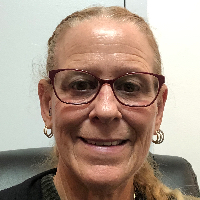
Rae Ann Michalko
LCSW, LISW
Pennsylvania 30 years in practice
Experienced LCSW focused on practical parenting support
- Stress, Anxiety
- Relationship
- Self esteem
Therapists for parents
428 therapists based in Pennsylvania list parenting among the things they work with. Sessions are online; a therapist can usually only see people in the states where they hold a licence, so check each profile.
Welcome to Parent Therapists' Pennsylvania directory. All therapists listed here hold a professional license to practice in Pennsylvania. Explore profiles to learn about approaches, specialties, and languages offered by clinicians who work with parents and families.
LCSW, LISW
Pennsylvania 30 years in practice
Experienced LCSW focused on practical parenting support
LPC
Pennsylvania 20 years in practice
Experienced counselor focused on practical support
LPC
Pennsylvania 30 years in practice
Calm practical support for everyday parenting challenges
LPC, LMHC
Pennsylvania 10 years in practice
Calm, practical support for parents and adults
LPC
Pennsylvania 32 years in practice English, Spanish
Compassionate counselor focused on practical change
LPC
Pennsylvania 12 years in practice
Helpful, practical counseling for parents
LMFT
Pennsylvania 13 years in practice
Compassionate, practical therapy for life and relationships
LPC
Pennsylvania 13 years in practice
Compassionate counselor for parenting and life stress
Pennsylvania 40 years in practice
Experienced LPC helping parents and relationships
Pennsylvania 6 years in practice
Practical support for stress, parenting, and relationships
LCSW
Pennsylvania 20 years in practice
Compassionate, practical therapy for parents and adults
LPC
Pennsylvania 30 years in practice
Experienced counselor for stress and parenting concerns
Pennsylvania 15 years in practice
Practical counseling for stressed and overwhelmed parents
LPC
Pennsylvania 22 years in practice
Helping parents handle stress and changes
LPC
Pennsylvania 16 years in practice
Supportive counselor for stress and parenting
LPC
Pennsylvania 6 years in practice
Supporting parents and adults through stress and change
LCSW
Pennsylvania 3 years in practice
Practical support for parents and personal growth
LPC
Pennsylvania 10 years in practice
Compassionate counselor for life and parenting challenges
LCSW
Pennsylvania 25 years in practice
Compassionate, practical therapy for parenting stress
LCSW
Pennsylvania 10 years in practice
Practical, down-to-earth therapy for everyday challenges
LPCC, LMHC
Pennsylvania 12 years in practice
Compassionate therapist for practical change
LCSW
Pennsylvania 4 years in practice
Calm, practical support for parents and stress
LPC
Pennsylvania 10 years in practice
Compassionate counselor for relationship and parenting challenges
Pennsylvania 11 years in practice
Compassionate counselor for parenting and family
LCSW
Pennsylvania 27 years in practice
Compassionate therapist with coaching experience
LPC
Pennsylvania 10 years in practice
Hopeful, practical counseling for parents and adults
Pennsylvania 18 years in practice
Calm, practical counseling for everyday challenges
LCSW
Pennsylvania 7 years in practice
Calm, practical support for everyday parenting challenges
Pennsylvania 28 years in practice
Practical support for parenting and daily stressors
LPC
Pennsylvania 10 years in practice
Practical support for stress and parenting challenges
LPC
Pennsylvania 3 years in practice
Practical support for stressed parents
LPC
Pennsylvania 15 years in practice
Practical, strengths-based help for overwhelmed parents
Pennsylvania 17 years in practice
Compassionate, practical support for everyday challenges
PA Psychologist
Pennsylvania 10 years in practice
Empathetic psychologist for practical change
LPC
Pennsylvania 3 years in practice
Practical, collaborative support for parenting and life stressors
PA Psychologist, NJ Psychologist
Pennsylvania 40 years in practice
Experienced psychologist for parenting and stress
LPC, LPCC
Pennsylvania 10 years in practice English, Spanish
Compassionate, practical support for everyday challenges
LMHC, LPC
Pennsylvania 17 years in practice
Compassionate, practical support for life challenges
LPC
Pennsylvania 8 years in practice
Compassionate counselor focused on practical change
LPC
Pennsylvania 5 years in practice
Practical support for overwhelmed parents
LPC
Pennsylvania 21 years in practice
Supportive counselor for practical change
Pennsylvania 3 years in practice
Compassionate counselor for parenting and life changes
Pennsylvania 5 years in practice
Support for parenting and pregnancy concerns
LPC
Pennsylvania 12 years in practice
Practical therapy for stress and parenting challenges
Pennsylvania 6 years in practice
Support for parents and adults
LPC
Pennsylvania 17 years in practice
Practical, empathetic counseling for parents and adults
LCSW, MD, LCSW-C
Pennsylvania 3 years in practice
Compassionate, practical support for parenting stress
LPC
Pennsylvania 7 years in practice
Support for stress, parenting, and relationships
Some links on this page are partner links. We will earn a commission if you sign up through one, at no cost to you. It does not change what you pay or the order of the listings.
Online therapy has become a common option for people across Pennsylvania, offering a way to meet with a therapist from your home, workplace, or another comfortable environment. Therapists who serve Pennsylvania residents typically indicate whether they offer video, phone, or text-based sessions in their listings. Licensing rules influence who can provide services to you, so many therapists who work with Pennsylvania clients hold a Pennsylvania license or note the states where they are authorized to practice. You will also find therapists who list multiple approaches or specialties, such as family-focused work, perinatal support, or adolescent counseling, so you can look for clinicians whose profiles match your needs.
Technology makes it possible to connect with clinicians across longer distances within the state, which is especially helpful if you live in a rural area or have limited local options. At the same time, online therapy follows the same professional standards you would expect in an office setting, with differences that include the modes of communication and the ways sessions are scheduled and conducted. As you review listings, pay attention to the types of teletherapy methods noted by each therapist and the populations they describe working with so you can identify professionals whose background aligns with your situation.
You may choose online therapy because it removes some of the logistical barriers that can make in-person care difficult. Eliminating a commute saves time and makes it easier to fit sessions into a busy week. For parents, online sessions can reduce the need for childcare or long drives, allowing you to focus on the conversation with less planning stress. If you live in an area with fewer local options, online therapy expands the number of therapists you can consult with, increasing the chance that you will find someone who works with parents, teens, couples, or the specific challenges you want help addressing.
Online therapy can also support continuity in your care. If you move within Pennsylvania or have work or family responsibilities that take you out of your neighborhood, you can often continue working with the same clinician remotely when that arrangement is permitted. Language access is another benefit; therapists who list additional languages in their profiles may be available remotely to serve families across different parts of the state. Finally, online formats can offer different modes of communication - live video, phone, or asynchronous messaging - giving you flexibility to choose the style that feels most comfortable for you and your family.
Therapists in Pennsylvania provide support across a wide range of concerns relevant to parents and families. If you are dealing with perinatal mood changes, transitioning to parenthood, parenting stress, or relationship strain, you will find clinicians who describe experience working with these areas. Therapists also work with anxiety, depression, grief, and life transitions that affect family life and parenting. For adolescents and teens, online therapists often focus on school-related stress, behavioral concerns, identity questions, and communication challenges within the family.
Some therapists list trauma-informed approaches or trauma among the issues they address, while others indicate particular methods by name. When modalities are mentioned, you will see language like therapists who list EMDR among their approaches or those who use cognitive-behavioral strategies. That phrasing reflects how clinicians describe their work rather than a statement about formal certification. If you or a family member are experiencing severe distress or thinking about harming yourself or others, contact local emergency services or crisis resources immediately rather than waiting to connect with an online therapist.
Confirming that a therapist is licensed in Pennsylvania is an important step in choosing care. You can verify a license by consulting the appropriate state licensing board for the clinician's profession, such as the state boards that oversee psychology, social work, marriage and family therapy, or professional counseling. Boards typically offer an online search function where you can look up a clinician by name or license number. The listing will usually indicate the license type, status, and whether any disciplinary actions are on record.
When you review a license record, note the professional title listed and any expiration dates. If a therapist lists a license from another state in addition to Pennsylvania, that information can help you understand where they are authorized to offer services. A public license lookup does not replace talking directly with a clinician about their education, areas of focus, or the populations they work with, but it does provide an official confirmation that the person holds a valid license in the state. If you have questions about the license search or encounter unclear information, the licensing board's contact resources can guide you on next steps.
Begin by clarifying what you hope to accomplish in therapy and what practical considerations matter to you, such as session length, preferred communication method, or whether language compatibility is important. Use the directory profiles to identify therapists who list relevant specialties, approaches, or populations they work with, such as clinicians who describe experience with parenting, adolescent issues, or perinatal support. Reach out through the contact method indicated in a profile to ask basic questions about session formats, fees, and whether they have experience working with concerns similar to yours. Make note of how comfortable you feel with the clinician's responses and whether their stated approach resonates with your goals.
Choosing a therapist is a personal process and fit matters as much as credentials. Look for clear descriptions in profiles about who the therapist works with and the kinds of concerns they commonly address. Pay attention to the therapeutic approaches and how they are described; for instance, you may see phrasing such as therapists who list EMDR among their approaches or those who describe using cognitive-behavioral techniques. Consider practical details like session format, language options, and payment methods, and be prepared to ask about insurance billing or reimbursement if that is relevant to you.
When you begin sessions, give yourself time to evaluate how the therapist communicates, whether you feel heard, and if the strategies suggested feel helpful for your situation. It is reasonable to expect a therapist to explain their approach and to discuss goals for therapy with you. If you do not feel the match is right after several sessions, you can search other profiles within the directory to find someone whose style or focus aligns more closely with your needs. Trusting your judgment about how a clinician engages with you and your family is an important part of the selection process.
Before your first session, check the technology requirements the therapist lists, such as whether they use video conferencing or offer phone-only options, and make sure your internet connection and device are set up for the session type you choose. Consider where you will sit during a session to ensure you have the privacy and minimal interruptions needed to concentrate on the conversation. If you are seeking therapy for a child or teen, think through how you will structure participation in sessions and how you will coordinate with a clinician about parental involvement.
Insurance coverage for teletherapy varies, so it is helpful to confirm coverage details with your provider and to ask the clinician about their billing policies. If you rely on a clinician's notes for workplace or school purposes, ask about documentation practices up front. Finally, make a plan for emergencies by identifying local crisis resources in your area and sharing that information with anyone who will be participating in therapy with you. With thoughtful preparation and clear communication, online therapy can be a flexible and accessible way to get support for parenting, family concerns, and personal wellbeing in Pennsylvania.