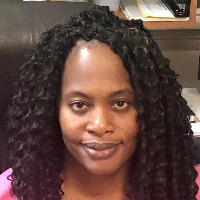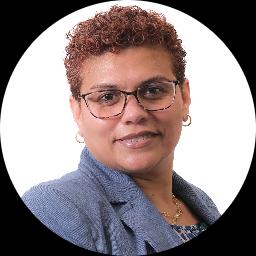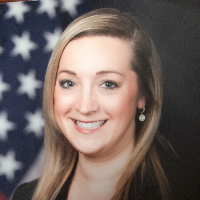
Ellen Walker
LICSW
District of Columbia 30 years in practice
Compassionate guidance for parenting and family stress
- Family
- Career
- Coping with life changes
Therapists for parents
31 therapists based in District of Columbia list parenting among the things they work with. Sessions are online; a therapist can usually only see people in the states where they hold a licence, so check each profile.
Welcome to Parent Therapists' directory of online therapists serving the District of Columbia. All therapists listed here hold a current license - explore profiles to find clinicians who match your needs.
LICSW
District of Columbia 30 years in practice
Compassionate guidance for parenting and family stress
LPC
District of Columbia 22 years in practice
Calm, practical support for parenting and relationships
LICSW
District of Columbia 25 years in practice
Calm, practical therapy for life transitions
LCSW, LICSW
District of Columbia 4 years in practice
Practical, compassionate support for parenting and life changes
LICSW
District of Columbia 5 years in practice
Practical support for parenting and stress
MD, LCPC, LPC
District of Columbia 26 years in practice
Compassionate, practical therapy for everyday struggles
LICSW, MD, LCSW-C
District of Columbia 29 years in practice
Positive, practical support for parenting and life changes
LICSW
District of Columbia 9 years in practice
Helping parents find clear, practical steps
LICSW
District of Columbia 20 years in practice
Compassionate, practical therapy for everyday challenges
District of Columbia 20 years in practice
Compassionate counselor focused on practical change
LICSW
District of Columbia 10 years in practice
Practical, compassionate support for overwhelmed parents
LICSW
District of Columbia 15 years in practice
Calm, practical support for parenting and stress
LICSW, LCSW
District of Columbia 6 years in practice
Practical support for stress and parenting concerns
LPC
District of Columbia 25 years in practice
Practical, steady support for parenting and family strain
LICSW
District of Columbia 4 years in practice
Compassionate, practical support for parenting and loss
LICSW, LCSW
District of Columbia 23 years in practice
Practical support for grief and life transitions
LPC
District of Columbia 29 years in practice
Compassionate counselor focused on relationships and parenting
LICSW
District of Columbia 10 years in practice English, Haitian Creole
Compassionate LICSW for everyday parenting stress
LICSW
District of Columbia 15 years in practice
Supporting parents with practical steps
LICSW
District of Columbia 3 years in practice
Supportive clinical social worker for parents
LPC
District of Columbia 14 years in practice
Practical, compassionate counseling for everyday struggles
LICSW
District of Columbia 24 years in practice
Supportive LICSW focused on practical skills
LICSW
District of Columbia 14 years in practice
Practical support for life changes and parenting challenges
MD, LCSW-C, LICSW
District of Columbia 15 years in practice
Compassionate, practical support for parents and adults
District of Columbia 30 years in practice
Compassionate counselor for practical parenting help
LPC
District of Columbia 29 years in practice
Calm guidance for parents under pressure
LPC
District of Columbia 6 years in practice
Supportive counselor for parenting and stress
LICSW, LCSW
District of Columbia 25 years in practice
Practical support for stress, parenting, and career challenges
LICSW
District of Columbia 4 years in practice
Practical support for parents facing change
LICSW
District of Columbia 30 years in practice
Practical support for stressed parents and caregivers
LICSW
District of Columbia 35 years in practice
Compassionate clinician focused on practical change
Some links on this page are partner links. We will earn a commission if you sign up through one, at no cost to you. It does not change what you pay or the order of the listings.
If you live in the District of Columbia, you have access to a range of licensed clinicians who provide therapy online. Over the past several years technology and regulatory changes have made it more common for counselors, psychologists, and social workers to include remote sessions in their practices. That means you can connect with professionals who list specialties such as parenting support, perinatal mood concerns, adolescent issues, relationship work, trauma-informed approaches, and more without traveling across the city. Online therapy in the District is conducted through video, phone, or text-based messaging platforms, and many clinicians describe their approaches and areas of focus in profile listings so you can get a sense of fit before you reach out. Because licensing in the District requires clinicians to meet state standards, the professionals you find here will indicate their license type and jurisdiction, which helps you confirm that they are permitted to provide services to residents of the District.
Online delivery does not alter the basic goals of therapy - forming a therapeutic relationship, assessing strengths and needs, and working toward the changes you want to see. What does change is the convenience and flexibility. You can take part in sessions from home, a car between errands, or another quiet location that works for you. Many District residents use remote sessions to bridge logistical barriers such as commuting, childcare, or schedule conflicts. If you are new to online work, reading clinician profiles carefully and noting the communication methods they mention can help you decide how you would like to engage.
Online therapy offers several practical advantages that may be meaningful depending on your circumstances. You can save time by eliminating travel across the city, and that can make it easier to maintain continuity when life gets busy. Remote sessions often make it simpler for partners in different neighborhoods to attend together, or for family members to join a session from different locations. For parents, working with a clinician who lists experience supporting caregivers and family systems can allow you to address parenting concerns without arranging childcare during an in-person appointment.
Beyond logistics, some people find that the virtual setting creates a sense of emotional distance that makes it easier to open up initially. Others appreciate the ability to control environmental details - such as which room you use, who else is nearby, and whether you prefer to sit or lie down - and still engage in focused therapeutic work. If mobility, chronic illness, or transportation are barriers, online sessions can expand your options for finding a clinician whose approach and background align with your needs. Keep in mind that not every therapeutic method or activity translates the same way to a screen; discussing approach and session structure with a clinician can clarify how they adapt techniques for remote work.
Therapists who offer online care in the District commonly support a broad range of concerns across life stages. Many describe work with stress, anxiety, and depression, helping you develop strategies to manage symptoms and build coping skills. Parents often seek clinicians who list family systems, parenting support, or child and adolescent concerns among their focuses, which can help when you want guidance around behavior, communication, or developmental transitions. Relationship and couple work is another frequent area, with clinicians offering approaches to improve communication, repair conflict, and negotiate life changes.
Some therapists note trauma-informed approaches or mention trauma among the issues they address. When you see references to specific modalities, such as EMDR or internal family systems, remember that profiles indicate approaches clinicians use rather than formal endorsements of training. If trauma, grief, or addiction concerns are present, you can look for clinicians who describe relevant experience and ask about how they structure remote sessions for safety and stabilization. Perinatal mental health and teen mental health are also commonly listed specialties, reflecting the varied needs of District families. Reading bios and the descriptions of focus areas will help you identify clinicians who write in a way that resonates with your priorities.
Verifying a clinician's license is a practical step that gives you clearer information about their credentials and standing. The District of Columbia maintains online resources where you can look up professional licenses by name or license number. When you check a listing, confirm the license type - for example, psychologist, clinical social worker, or professional counselor - and note the license status, expiration date, and any publicly recorded disciplinary actions. If a clinician practices under a license issued in another state but offers services to District residents, check whether that arrangement is consistent with District regulations for telehealth practice. If you have any uncertainty, you can contact the District licensing office or the appropriate board directly to ask about verification procedures.
When reviewing a profile, it is also reasonable to look for a stated educational background and any supervisory roles the clinician mentions. Profiles often include descriptions of populations served, years of experience, and languages spoken - details that complement licensure checks. Keep copies or screenshots of verification results for your records, and feel free to ask a clinician directly about their license number and how to confirm it. A transparent discussion about licensure helps you feel informed about the qualifications of the person you are considering.
Before you begin, think about what matters most to you in a therapeutic relationship. You might prioritize clinicians who list experience with parenting support, perinatal concerns, adolescent development, or relationship work. Consider preferences for clinician background, such as language, cultural understanding, or therapeutic approach. You do not need to have every detail nailed down - a simple list of priorities will make it easier to compare profiles and begin meaningful conversations.
When you find a profile that aligns with your priorities, reach out to learn more. Initial communications can be brief - ask about the clinician's approach to the concerns you noted, how they adapt sessions for online work, and what to expect in early sessions. You can also request their license number to confirm through District resources. Many clinicians will describe whether they include family members or partners in sessions and how they structure goals. These preliminary exchanges give you a sense of whether a clinician's communication style and explanations resonate with you.
Arrange a quiet spot where you can speak freely and without interruption. If possible, use a reliable internet connection and test your camera and microphone beforehand. Make a plan for handling interruptions - such as someone knocking or a child needing attention - so you can reestablish focus smoothly. Think about whether you prefer video, phone, or messaging, and ask clinicians which methods they use most often. If you share a device with others, consider privacy settings and whether you can join from a quiet space for the duration of the session. Finally, prepare a short list of goals or topics you want to address in early sessions so you can start work intentionally.
Your comfort and trust in a clinician often develop over a few sessions. Pay attention to how they listen, whether they ask about your goals, and how they explain their methods in plain language. It is okay to switch clinicians if you do not feel a fit - finding the right therapeutic relationship is a personal process. Use profile details, verification of licensure, and initial conversations to guide your decision, and remember that effective therapy depends on both clinician skill and the quality of the working relationship you build together.
Choosing online therapy in the District of Columbia gives you access to licensed clinicians who can address parenting and family concerns, individual mental health, and relationship issues in a format that fits your life. By reviewing profiles carefully, verifying licensure, and preparing for remote sessions, you can take practical steps toward connecting with a clinician whose approach aligns with your goals. Explore the listings here to begin that process and reach out to clinicians whose descriptions feel most relevant to your needs.