
- Years in practice
- 6
- Credentials
- LICSW, LCSW
- Licensed in
- New York, District of Columbia
- Languages
- English
- Focus
- Stress, Anxiety
- Focus
- Depression
About Adina
Adina Tabor is a licensed social worker who helps people coping with stress, anxiety, depression, and parenting challenges. She draws on six years of clinical experience and focuses on practical steps people can use right away. Her approach is respectful and down-to-earth, aimed at making change feel possible rather than overwhelming.
She tailors sessions to each person's needs. Conversations are collaborative and focused on goals the client chooses. That might mean practicing new ways to manage strong emotions, trying simple behavior changes, or working on communication skills that reduce conflict and frustration.
Background and approach
Adina uses a mix of approaches to fit each situation. She often blends client-centered listening with tools from cognitive behavioral therapy and mindfulness to help people notice patterns and try different responses. She also draws on techniques for emotion regulation when feelings feel intense.
Parents who are tired, stretched thin, or unsure how to set boundaries can find straightforward support. Adina can help people sort priorities, adjust expectations, and build routines that reduce daily strain. She also addresses issues like grief, sleep problems, and relationship strain in practical ways.
Adina holds a DC LICSW and a New York LCSW and practices in the District of Columbia. She speaks English and offers sessions that match a person’s preferred pace and goals. Taking a first step can feel hard; she aims to make that step easier and more focused.
What Adina works with
Everything Adina lists, in the therapist's own terms. Parenting is the reason this directory exists; the rest shows what else Adina helps people with.
- Stress, Anxiety
- Depression
- Coping with life changes
- LGBT
- Relationship issues
- Family conflicts
- Trauma and abuse
- Grief
- Intimacy-related issues
- Sleeping disorders
- Parenting issues
- Anger management
- Self esteem
- Career difficulties
- Coaching
- Compassion fatigue
- ADHD
- Abandonment
- Attachment issues
- Body image
- Caregiver issues and stress
- Codependency
- Commitment issues
- Communication problems
- Control issues
- Dependent personality
- Divorce and separation
- Eating and food-related issues
- Family problems
- Forgiveness
- Guilt and shame
- Impulsivity
- Isolation / loneliness
- Midlife crisis
- Panic disorder and panic attacks
- Polyamory / non-monogamous relationships
- Post-traumatic stress
- Seasonal Affective Disorder (SAD)
- Self-love
- Sexual dysfunction
- Social anxiety and phobia
- Women's issues
- Workplace issues
- Young adult issues
Approaches Adina lists
- Client-Centered Therapy
- Cognitive Behavioral Therapy (CBT)
- Dialectical Behavior Therapy (DBT)
- Emotionally-Focused Therapy (EFT)
- Mindfulness Therapy
- Solution-Focused Therapy
- Trauma-Focused Therapy
Listing an approach is not evidence of training in it. This directory copies what each therapist names and does not check training records.
Therapeutic approaches for online care
Client-centered therapy focuses on listening and meeting each person where they are. It relies on warm, nonjudgmental conversation so clients can talk through priorities and feel heard. Cognitive behavioral therapy or CBT looks at how thoughts, feelings, and behaviors connect and offers clear exercises to change patterns that keep problems going.Finding the right approach is collaborative. The therapist will work with the client to try methods that fit the problem, goals, and comfort level. That may mean mixing listening-based work with specific CBT exercises or adding mindfulness skills over time to reduce reactivity.
Online sessions use video calls, phone sessions, live chat, or text-based messaging to make therapy more flexible. Video helps when visual cues matter, while phone sessions can be helpful when internet bandwidth is limited. Live chat and text messaging let people check in between meetings or use shorter, focused exchanges during a busy day. These options make it easier to fit therapy into work, caregiving, or daily life while still accessing licensed professionals and consistent support.
Questions people ask about Adina
What concerns does Adina help with?
She works with stress, anxiety, depression, parenting concerns, relationship strain, grief, trauma and related issues such as sleep problems, anger, and low self-esteem.
What is her therapy style like?
Sessions are collaborative and down-to-earth, with a focus on practical steps and skills the client can use between meetings.
How much clinical experience does she have?
She has six years of professional experience working with people on mood, relationship, and life-change issues.
What credentials and location does she hold?
She holds a District of Columbia LICSW and a New York LCSW and practices in the District of Columbia.
Which languages are supported for sessions?
Sessions are offered in English.
What session formats are available?
Sessions are offered as video calls, phone sessions, live chat, or text-based messaging.
How are sessions paid for and what does it cost?
Cost varies with location and therapist availability; sessions use a subscription that can be canceled at any time.
How do I begin working with her?
Click the Start Therapy button, complete a short matching questionnaire, and schedule sessions according to therapist availability.
More therapists for parents in District of Columbia
All in District of Columbia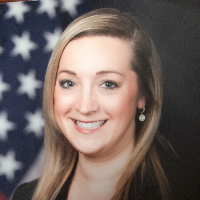
Brittany Bordonaro
LICSW
District of Columbia 15 years in practice
Supporting parents with practical steps
- Relationship
- Family
- Trauma and abuse

Joseph Osiecki
LICSW
District of Columbia 9 years in practice
Helping parents find clear, practical steps
- Relationship
- Family
- Intimacy-related issues
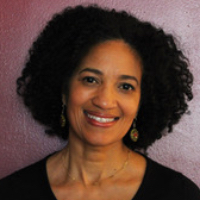
Stephanie Nash
LICSW, MD, LCSW-C
District of Columbia 29 years in practice
Positive, practical support for parenting and life changes
- Stress, Anxiety
- Relationship
- Trauma and abuse