- Years in practice
- 5
- Credentials
- LCSW
- Licensed in
- Tennessee
- Languages
- English
- Focus
- Stress, Anxiety
- Focus
- Family conflicts
- Focus
- Trauma and abuse
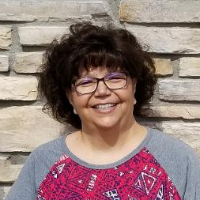
About Amy
Amy Flores is a Licensed Clinical Social Worker (LCSW) practicing in Tennessee. She has five years of clinical counseling experience and a prior ten years working in behavior and social-emotional supports. Amy focuses on helping people manage stress, anxiety, depression, ADHD, parenting concerns, grief, and relationship issues.
She approaches each person with respect for their strengths and a clear aim to move toward goals that matter to them. Amy uses a client-centered stance that puts the person’s experience first.
Background and approach
She blends that with practical methods such as cognitive behavioral techniques and skills from dialectical behavior therapy. Mindfulness and motivational interviewing also appear in her work when they fit a client's goals. The aim is to create simple, usable steps rather than long lists of theory.
She describes her style as supportive and goal focused. Sessions are conversational and down-to-earth. Amy will listen for strengths, point out patterns that cause trouble, and help try new ways of responding that feel doable at home and work.
Parents often seek her help with behavior challenges, blended family stress, communication problems, and setting consistent boundaries. She also works with people facing trauma, abandonment, caregiving stress, and major life changes. Her background includes experience with disruptive mood dysregulation and other behavioral concerns.
Amy offers video calls, phone sessions, live chat, and text-based messaging so people can choose the format that fits their life. Sessions use a subscription model that can be canceled at any time. To begin, people complete a short matching questionnaire and schedule according to therapist availability.
What Amy works with
Everything Amy lists, in the therapist's own terms. Parenting is the reason this directory exists; the rest shows what else Amy helps people with.
- Stress, Anxiety
- Family conflicts
- Trauma and abuse
- Self esteem
- LGBT
- Relationship issues
- Grief
- Parenting issues
- Anger management
- Career difficulties
- Bipolar disorder
- Depression
- Coping with life changes
- ADHD
- Abandonment
- Aging and geriatric issues
- Attachment issues
- Blended family issues
- Caregiver issues and stress
- Commitment issues
- Communication problems
- Control issues
- Disruptive Mood Dysregulation Disorder (DMDD)
- Dissociation
- Divorce and separation
- Domestic violence
- Emptiness
- Family problems
- Forgiveness
- Guilt and shame
- Impulsivity
- Infidelity
- Isolation / loneliness
- Life purpose
- Midlife crisis
- Veteran and Armed Forces Issues
- Mood disorders
- Obsessions, compulsions, and OCD
- Panic disorder and panic attacks
- Personality disorders
- Post-traumatic stress
- Prejudice and discrimination
- Seasonal Affective Disorder (SAD)
- Self-harm
- Self-love
- Sexual assault and abuse
- Social anxiety and phobia
- Trichotillomania
- Women's issues
- Workplace issues
- Young adult issues
Approaches Amy lists
- Client-Centered Therapy
- Cognitive Behavioral Therapy (CBT)
- Dialectical Behavior Therapy (DBT)
- Mindfulness Therapy
- Motivational Interviewing
- Narrative Therapy
- Solution-Focused Therapy
- Trauma-Focused Therapy
Listing an approach is not evidence of training in it. This directory copies what each therapist names and does not check training records.
Approaches that guide online sessions
Amy often brings together client-centered care and cognitive behavioral therapy to help people notice patterns and try practical changes. Client-centered work means sessions follow what matters most to the person and honor their strengths. Cognitive behavioral techniques focus on identifying unhelpful thoughts and testing small behavior changes that can reduce anxiety or improve mood.She also uses elements of dialectical behavior therapy to teach skills for emotion regulation and healthier communication. DBT-based skills can be useful for managing intense feelings, handling relationship conflicts, and improving day-to-day coping. Amy will discuss these approaches and recommend what seems most useful based on the person's concerns and goals. Choosing the right method is a collaborative process and she adjusts the plan as needed.
Online formats include video calls, phone sessions, live chat, and text-based messaging to fit different needs. Video calls allow face-to-face conversation and visual cues. Phone sessions work well when bandwidth is limited or a simpler check-in is preferred. Live chat and text messaging can support short updates, skill practice, or flexible communication between longer sessions. These options make it easier to keep therapy consistent around parenting schedules, work, and other life demands.
Questions people ask about Amy
What concerns does Amy commonly address?
She works with stress, anxiety, depression, ADHD, parenting challenges, grief, relationship issues, trauma and abuse, and related concerns such as abandonment and family problems.
What is her general approach in sessions?
Amy uses a client-centered approach and mixes in practical methods like cognitive behavioral techniques, dialectical behavior therapy skills, mindfulness, and motivational interviewing to help people try small, usable changes.
How much clinical experience does she have?
She holds a Licensed Clinical Social Worker credential and has five years of clinical counseling experience plus ten years working with behavior and social-emotional challenges.
Where is she licensed and located?
She is licensed as an LCSW in Tennessee and practices from that state.
Can sessions be conducted in other languages or internationally?
Sessions are offered in English and she is not accepting international clients at this time.
What session formats are available?
She offers video calls, phone sessions, live chat, and text-based messaging so people can pick the method that fits their schedule and needs.
How does billing and cost work?
Cost varies with location and therapist availability; sessions use a subscription model that can be canceled at any time.
What are the first steps to begin therapy?
Start by selecting the Start Therapy button, complete a short matching questionnaire, and then schedule sessions according to therapist availability.
More therapists for parents in Tennessee
All in Tennessee
Ondria Spivey
LPC-MHSP
Tennessee 24 years in practice
Calm, practical support for stressed parents
- Stress, Anxiety
- Trauma and abuse
- Self esteem

Brigette DaBiere
LCSW
Tennessee 25 years in practice
Practical support for parenting stress and life challenges
- Stress, Anxiety
- Addictions
- Anger

Dr. Jessica Hamm
LPC, LPCC
Tennessee 16 years in practice
Compassionate counselor for parenting and life challenges
- Addictions
- Relationship
- Trauma and abuse