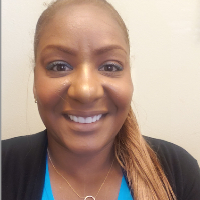
Willie Johnson
LCSW
Nevada 32 years in practice
Compassionate LCSW for parents and individuals
- Stress, Anxiety
- Relationship
- Family
Therapists for parents
60 therapists based in Nevada list parenting among the things they work with. Sessions are online; a therapist can usually only see people in the states where they hold a licence, so check each profile.
Welcome to Parent Therapists' directory of licensed online therapists serving Nevada. All therapists listed here hold Nevada licenses; explore profiles to compare approaches, languages, and areas of experience.
LCSW
Nevada 32 years in practice
Compassionate LCSW for parents and individuals
LCPC
Nevada 10 years in practice
Helping parents manage stress and relationships
LMFT
Nevada 9 years in practice
Practical therapy for parenting and life challenges
LMFT
Nevada 25 years in practice
Compassionate therapist focused on parenting and relationships
LCPC
Nevada 12 years in practice
Practical, affirming therapy for life transitions
Nevada 18 years in practice English, Vietnamese
Compassionate, practical therapy for life transitions
LCSW
Nevada 17 years in practice
Practical, listening-first therapy for parents
LMFT
Nevada 15 years in practice
Calm, practical support for stressed parents
LCSW
Nevada 8 years in practice
Calm, relational support for life changes
LCPC
Nevada 10 years in practice
Compassionate, practical therapy for life's challenges
MD, LCSW-C, LCSW
Nevada 8 years in practice
Practical support for stressful parenting and life changes
LCSW
Nevada 15 years in practice
Compassionate, practical help for parents and relationships
LCPC
Nevada 8 years in practice
Practical therapy for parenting and life challenges
LCSW
Nevada 5 years in practice
Supportive LCSW for stress and parenting concerns
LCPC
Nevada 13 years in practice
Calm, practical counseling for everyday challenges
LCSW
Nevada 5 years in practice
Compassionate practical help for parents
LMFT
Nevada 3 years in practice
Compassionate, practical therapy for everyday challenges
Nevada 5 years in practice
Supportive LCSW for parenting and mood concerns
CA Psychologist, NV Psychologist
Nevada 30 years in practice
Practical, skills-based help for parenting and anxiety
LCPC, LPCC
Nevada 18 years in practice
Compassionate, practical support for stressed parents
LMFT
Nevada 11 years in practice
Practical support for stress and parenting
LCSW
Nevada 4 years in practice
Supportive LCSW for practical parenting challenges
LCSW
Nevada 20 years in practice
Practical support for stress and parenting challenges
LCSW
Nevada 9 years in practice
Calm, practical therapy for everyday struggles
LCSW
Nevada 10 years in practice
Practical support for stressed parents
LCSW
Nevada 4 years in practice
Family-focused support for overwhelmed parents
LMFT
Nevada 10 years in practice
Family-focused therapist helping parents navigate change
LCSW
Nevada 10 years in practice
Helping parents build practical coping skills
LCSW
Nevada 6 years in practice
Practical support for parenting and life changes
LCSW
Nevada 6 years in practice
Practical support for stressed and overwhelmed parents
LCSW
Nevada 30 years in practice
Experienced LCSW helping parents and adults navigate change
LCSW
Nevada 3 years in practice
Practical support for parenting and stress
LCPC, LCMHC
Nevada 38 years in practice
Compassionate, experienced counselor for parenting and relationships
LCPC, LMHC
Nevada 12 years in practice
Supportive counselor for parenting and relationships
LCSW
Nevada 5 years in practice
Practical support for stress and parenting
LCSW
Nevada 10 years in practice
Calm guidance for parenting and life stress
LISW, LIMHP
Nevada 13 years in practice
Calm, practical support for parenting and recovery
LMFT
Nevada 3 years in practice
Helping people manage stress and parenting challenges
LCPC, LPC
Nevada 19 years in practice
Calm, practical guidance for everyday parenting challenges
LCSW
Nevada 7 years in practice
Practical support for parental stress and transitions
LCPC, LMHC
Nevada 20 years in practice
Supportive counselor for parenting and relationships
LMFT
Nevada 15 years in practice
Therapist focused on parenting and relationships
LMFT
Nevada 12 years in practice
Insightful therapist blending coaching and therapy
Nevada 7 years in practice
Practical, compassionate support for parents and caregivers
LCSW
Nevada 25 years in practice
Therapist focused on relationships and parenting
LCPC
Nevada 10 years in practice
Compassionate counselor helping people regain control
LCSW
Nevada 20 years in practice
Compassionate, practical support for everyday parenting challenges
LCSW, LICSW
Nevada 3 years in practice
Practical support for overwhelmed parents
Some links on this page are partner links. We will earn a commission if you sign up through one, at no cost to you. It does not change what you pay or the order of the listings.
If you live in Nevada and are considering online therapy, you will find that options have expanded in recent years. Many licensed mental health professionals now offer virtual sessions alongside in-person care, which can make it easier for families across the state to connect with a clinician who matches their needs. It is important to remember that licensing rules apply to the location where you receive services, so most practitioners who work with Nevada residents hold a Nevada license. In practice, this means you can search for counselors, social workers, marriage and family therapists, and psychologists who list online work among their service formats and who indicate a Nevada license in their profile.
Online therapy can take several forms. Some therapists conduct sessions from an office while you join from home, while others offer entirely remote practices. The technology used can vary from video calls to telephone sessions, and some clinicians provide additional resources through email or supported client portals. When you review profiles on a directory, you will often see information about the therapist's credentials, specialties, approaches they list, languages spoken, and whether they provide care via video or phone.
Choosing online therapy can offer practical advantages if you live in an urban center, a rural community, or somewhere in between in Nevada. You may save travel time and access clinicians who focus on parenting, child behavior, adolescent issues, or family systems without geographic limits. For parents juggling work, school schedules, and childcare, virtual sessions can make it easier to maintain continuity of care. If you live in a small town, online sessions can broaden your options and help you find someone who understands your family's needs and cultural background.
Online therapy also offers flexibility in how sessions are scheduled and carried out. You can often select a clinician based on approach and experience rather than proximity alone, and this can be especially important when you are seeking a therapist who lists specific methods among their approaches or has experience with particular family or developmental issues. Because you are choosing from a wider pool, you may find therapists who offer services in languages other than English or who describe familiarity with particular community contexts in Nevada.
Online therapists in Nevada commonly work with families on parenting challenges, child behavior concerns, school-related stress, and the emotional needs of adolescents. You can find clinicians who focus on managing anxiety and mood concerns in both parents and young people, as well as therapists who list trauma-informed approaches among their methods. Many therapists also address relationship dynamics between co-parents, blended family adjustments, perinatal mood and adjustment, and grief and loss. If you are dealing with behavioral issues at home or trying to support a child through developmental transitions, online therapy can be a place to develop strategies, practice communication skills, and explore underlying patterns.
When you look through profiles, pay attention to the populations and age ranges therapists list, as well as any specialized focus areas. Some clinicians describe experience working with school-aged children, teenagers, or families facing disability-related challenges. Others highlight work with cultural groups, bilingual families, or parents navigating major life changes. Because therapists list the approaches they use rather than formal endorsements, you will see notes such as therapists who list play-based work, cognitive-behavioral approaches, family systems perspectives, or EMDR among their approaches. Those notes can help you find a clinician whose stated methods align with the kind of support you are seeking.
Verifying a therapist's license is a key step in choosing care. You can start by identifying the type of license you want to verify - for example, psychologist, licensed clinical social worker, licensed professional counselor, or marriage and family therapist. Each type of license is regulated by a state board or agency, and these entities maintain online license lookup tools. On a licensing lookup page you can confirm the clinician's name, license number, current status, expiration date, and any public disciplinary actions. If you have questions that are not answered online, most boards provide phone or email contact information where you can request additional verification or clarification.
When you review a profile on a directory, cross-check the name and license details with the state's licensing search. If a therapist lists graduate degrees, specialties, or clinical interests, remember that those descriptions reflect how the clinician presents their background rather than an independent certification. Confirming license status with the state helps you ensure the practitioner holds an active Nevada license to practice with residents located in Nevada. Keep a record of the license number and the date you verified it for your files as you move forward.
Beginning online therapy usually involves a few practical steps. First, decide what you want from therapy and which characteristics matter most - for example, experience with parenting and child behavior, a clinician who speaks your language, or a therapist who lists certain approaches among their methods. Once you find profiles that match your priorities, reach out through the contact method provided in the listing to ask about intake procedures. Therapists often use an initial intake form to collect basic information about you, your family, and the concerns you want to address. That intake process helps a clinician understand whether their practice is a good fit for your needs.
Before your first session, gather any relevant records or notes that will help communicate the situation clearly. Think about what you want to achieve in the short term and what would indicate progress to you. Consider the logistics of an online session - a device with a camera and microphone, a stable internet connection, and a quiet space in your home where you can talk without interruptions. If childcare, work schedules, or shared living situations make it hard to find a quiet room, ask your clinician about strategies they recommend for creating a consistent session environment that supports focused work.
Choosing the right therapist is a personal process. You should look for a clinician whose profile aligns with your goals, lists relevant approaches and populations, and communicates a style that resonates with you. Pay attention to the way a therapist describes their work with parents and children, the populations they mention, and the languages they list. If cultural competence or experience with a particular community is important to you, prioritize clinicians who reference that background in their profiles.
When you contact a therapist, use the initial communication to ask about their approach to working with families and what a typical session looks like. You can ask how they structure work with parents versus children or how they involve co-parents when relevant. It is reasonable to inquire about session length, fee range, and whether they work with payers you may use. While these conversations do not guarantee outcomes, they help you assess fit. Trust your sense of comfort and clarity after the first session or two; a good match often feels like a collaborative relationship in which you and the therapist share a clear plan for moving forward.
As you explore online therapy options in Nevada, take time to compare profiles, verify licenses through the appropriate state board, and prepare for an initial conversation that clarifies goals and logistics. Online services can broaden your options and make it easier to connect with clinicians who focus on parenting and child-related concerns. By focusing on the factors that matter most to you - approach, experience, language, and the way a clinician describes their work with families - you can make an informed choice and begin a therapeutic process that supports your family's needs.