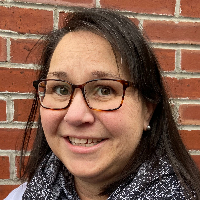
Mary Meehan
LPC
Missouri 27 years in practice
Kind, practical help for parents and adults
- Stress, Anxiety
- Family
- Grief
Therapists for parents
351 therapists based in Missouri list parenting among the things they work with. Sessions are online; a therapist can usually only see people in the states where they hold a licence, so check each profile.
Welcome to Parent Therapists' Missouri directory for online therapy. All therapists listed here are licensed in Missouri, so you can review credentials and practice focus before reaching out.
Explore profiles to compare approaches, client focus areas, languages, and experience to find a counselor who may fit your needs.
LPC
Missouri 27 years in practice
Kind, practical help for parents and adults
LPC
Missouri 17 years in practice
Support for stressed parents and adults
Missouri 12 years in practice
Practical support for stress and parenting challenges
Missouri 29 years in practice
Compassionate counselor for parenting and family challenges
Missouri 45 years in practice
Collaborative, experienced counselor for parenting concerns
LPC
Missouri 10 years in practice
Compassionate, practical support for parents
Missouri 12 years in practice
Compassionate LCSW for everyday parenting challenges
LPC
Missouri 3 years in practice
Supporting parents through life and stress
LPC
Missouri 8 years in practice
Compassionate counselor using creative tools
LPC
Missouri 5 years in practice
Hopeful, practical counseling for life and parenting
LPC
Missouri 25 years in practice
Practical support for stressed parents
LCSW
Missouri 25 years in practice English, Spanish
Experienced LCSW focused on parenting support
LPC, LPCC
Missouri 17 years in practice
Support for parents facing stress and change
LCSW
Missouri 35 years in practice
Calm, practical therapy for busy parents
LCSW
Missouri 21 years in practice
Practical, strengths-based support for parenting and life
LCSW
Missouri 3 years in practice
Help for parents facing family stress
LPC
Missouri 30 years in practice
Experienced LPC focused on parenting support
LPC
Missouri 20 years in practice
Straightforward, goal-focused counseling
LCSW
Missouri 3 years in practice
Helping parents build skills and strength
LCSW
Missouri 25 years in practice
Supportive LCSW focused on practical change
LPC
Missouri 8 years in practice
Compassionate counselor for parenting and life challenges
LPC
Missouri 9 years in practice
Supportive counselor for fathers and life changes
LPC, LMHC
Missouri 5 years in practice
Compassionate help for parenting and life changes
LCSW
Missouri 25 years in practice
Supportive, practical therapy for parents and adults
LCSW
Missouri 30 years in practice
Practical, strength-focused therapy for parents and adults
LPC
Missouri 7 years in practice
Practical counseling for stress and parenting
Missouri 25 years in practice
Compassionate counselor for relationships and parenting
LPC
Missouri 6 years in practice
Supportive counseling for parents and life stressors
LCSW
Missouri 20 years in practice
Practical, collaborative support for parents
LPC
Missouri 23 years in practice
Compassionate counselor focused on practical change
LPC
Missouri 17 years in practice
Therapist focused on practical parenting support
LPC
Missouri 6 years in practice
Practical, trauma-informed support for parents and adults
LCPC, LPC
Missouri 3 years in practice
Practical counseling for parenting and life challenges
LPC
Missouri 25 years in practice
Practical, experienced counseling for everyday parenting challenges
LPC
Missouri 18 years in practice
Support for stressed parents and relationships
LPC
Missouri 14 years in practice
Support for parents and life transitions
LPC
Missouri 20 years in practice
Supportive counselor for parenting and relationships
LCSW
Missouri 47 years in practice
Experienced counselor for parenting concerns
LPC
Missouri 17 years in practice
Supportive counselor for life and relationship challenges
LPC
Missouri 20 years in practice
Practical support for stress and parenting challenges
LPC
Missouri 8 years in practice
Practical, compassionate support for parenting challenges
LPC
Missouri 13 years in practice
Compassionate counselor helping parents and adults
LCSW
Missouri 5 years in practice
Supportive parenting-focused therapist
LPC
Missouri 35 years in practice
Calm practical therapy for everyday parenting challenges
Missouri 22 years in practice
Helping adults find clearer choices and coping skills
Missouri 20 years in practice
Calm, practical counseling for everyday parenting challenges
LPC
Missouri 17 years in practice
Calm guidance for parenting and life change
LCSW
Missouri 5 years in practice
Compassionate practical support for everyday challenges
Some links on this page are partner links. We will earn a commission if you sign up through one, at no cost to you. It does not change what you pay or the order of the listings.
If you are exploring therapy in Missouri, online sessions have become a common way to access care across cities, suburbs, and rural areas. Online therapy typically uses video, phone, or messaging formats to help you connect with a clinician from your home, workplace, or another location where you can be in a quiet space. State laws and professional rules shape how clinicians provide remote care, and many licensed mental health professionals now offer virtual options that follow those rules. When you look at profiles you will notice a range of licensure types such as licensed professional counselors, licensed clinical social workers, marriage and family therapists, and psychologists. Each of these license types has its own scope and regulatory oversight, and those boards generally maintain public directories that you can consult.
Telehealth practices vary by clinician and by the kind of services they provide. Some clinicians focus their work on parents and families, while others emphasize perinatal support, adolescent behavior, trauma, or mood concerns. Because online therapy occurs across distances, most clinicians follow specific guidelines about providing care to clients who are physically located in Missouri during the session. That means you should confirm that a clinician holds an appropriate Missouri license for the kind of care you want to receive.
Online therapy can expand your options when you live in a community with limited in-person resources or when you need more flexibility around work and family responsibilities. You can reduce commute time and find a clinician who specializes in the issues most relevant to you without being limited to your immediate neighborhood. For parents, teletherapy often makes it easier to fit sessions into a busy schedule by removing travel and childcare logistics. For residents in rural parts of Missouri, a virtual option can be a practical way to access clinicians who focus on parenting support, trauma-informed approaches, or adolescent behavior issues.
Another practical advantage is continuity. If you move within the state, switch jobs, or travel within Missouri, continuing with the same clinician online may help maintain therapeutic momentum. Many people also find it easier to enter therapy from a familiar environment where they feel more at ease. When you plan for an online session, consider small steps that increase comfort - choosing a quiet room, using headphones, and setting clear goals for what you want to address. Those adjustments can improve the quality of your time with a clinician.
Online therapists in Missouri often work with a broad array of concerns that affect individuals and families. You will find clinicians who list parenting support, perinatal mood and adjustment, anxiety, depression, relationship and co-parenting challenges, trauma, grief, and adolescent behavior among their areas of focus. Some clinicians also list specialty work with attention and school-related concerns, life transitions, or stress related to caregiving. Profiles typically include the populations a clinician works with - for example, parents, children, teens, couples, or adults - so you can see whether their focus aligns with your needs.
Approaches vary across clinicians. You may see clinicians who list cognitive behavioral therapy, solution-focused work, acceptance and commitment-oriented approaches, or therapists who list EMDR among their approaches. Keep in mind that a listing of an approach on a profile indicates the clinician mentions it as part of their practice; it does not by itself establish a specific level of training or certification. For children and adolescents, clinicians often combine parent-focused coaching with direct work with the young person when appropriate. If you have questions about methods for a particular concern, you can ask a clinician how they typically apply their approaches to cases like yours during an introductory conversation.
Before committing to a clinician, you can verify licensure through the state licensing boards that regulate different professions. Most boards maintain an online license lookup where you can confirm that a clinician holds a current Missouri license, see the license type, review the date of issuance and expiration, and view any public disciplinary actions. If a profile lists a degree or credential you want to understand better, look for the license designation such as LPC, LCSW, LMFT, PhD, or PsyD and cross-check it on the appropriate board portal. That step helps you confirm that the clinician is authorized to practice under Missouri rules.
Because telehealth rules can vary, also confirm that the clinician is authorized to provide services to people who are located in Missouri during the session. If you do not find the information you need in a public lookup, you can request clarification from the clinician. A straightforward question about licensure and professional background is a reasonable part of the early conversation and helps you make an informed choice about who to work with.
Begin by clarifying what you most want from therapy - symptom relief, parenting support, tools to manage stress, or strategies for improving family communication. Use those priorities to filter profiles by focus areas and populations. Pay attention to the kinds of approaches a clinician lists, the age groups they mention, and whether they note experience with issues similar to yours. If language matters to you, look for clinicians who list the languages they use. These profile details can help narrow your options so you can identify a few clinicians to contact.
When you reach out, think of the initial contact as an opportunity to get a sense of how the clinician communicates and whether their style fits your preferences. You can ask about how they structure sessions, how they generally approach the concerns you brought up, and what a typical early treatment plan might look like. It is appropriate to ask about fees and payment methods, including whether they accept your insurance or offer a sliding fee arrangement. You should also plan for logistics - the tech you will use, whether video or phone is preferred, and how to handle emergencies or urgent needs between sessions. During early conversations, notice how comfortable you feel expressing your needs and whether the clinician listens and responds in a way that builds trust.
Choose a quiet, quiet space for your sessions so you can speak freely and focus. If you are joining sessions with family members or a child, discuss how you will manage distractions and transitions during the meeting. Set clear goals with your clinician so you both understand what progress looks like and how you will measure it over time. Be patient with the process - forming a therapeutic connection takes time. If a clinician's approach or communication style does not feel like a match after a few sessions, it is reasonable to explore other profiles until you find someone who fits your needs and preferences. Your comfort and sense of being heard are important when making therapy work for you.
Finding an online therapist in Missouri involves balancing practical considerations with the interpersonal fit that supports meaningful work. By verifying licensure, clarifying your goals, and engaging in an open introductory conversation, you can make an informed choice about a clinician whose focus, approaches, languages, and experience align with what you are seeking. Take your time and trust your judgment as you explore the options available to you.