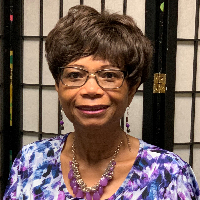
Earl Barrios
LPCC
California 38 years in practice
Calm, experienced counselor for parents and adults
- Stress, Anxiety
- Relationship
- Family
Therapists for parents
398 therapists holding Licensed Professional Clinical Counselor (LPCC) list parenting among the things they work with. Credentials are shown as supplied; the issuing state board is the place to verify one.
A Licensed Professional Clinical Counselor (LPCC) is a state credential for mental health counselors who complete graduate coursework, supervised clinical hours, and licensure exams. Browse verified LPCC therapists below to review counselors who list this credential and compare approaches, specialties, languages, and experience.
LPCC
California 38 years in practice
Calm, experienced counselor for parents and adults
Ohio 20 years in practice English, Persian
Insightful counselor for life's transitions
LPCC
New Mexico 35 years in practice
Compassionate, practical support for parenting and life changes
LPCC
New Mexico 15 years in practice
Calm guidance for parenting and trauma concerns
LPCC
Ohio 18 years in practice
Practical, collaborative therapy for life and parenting challenges
LPCC
Ohio 4 years in practice
Supportive counselor for stressed parents
LIMFT, LPCC
Ohio 13 years in practice
Practical support for parenting and stress
LPC, LPCC
Missouri 17 years in practice
Support for parents facing stress and change
LPC, LPCC
New Mexico 12 years in practice
Compassionate counselor for parenting and trauma
LPCC
Kentucky 11 years in practice
Practical counseling for life's parenting challenges
LPCC
Kentucky 25 years in practice
Practical therapy for stressed parents
LPCC
Ohio 17 years in practice
Practical, direct counseling for everyday challenges
LPCC, LCMHC
Texas 20 years in practice
Straightforward counseling for life and parenting challenges
LPCC
Ohio 29 years in practice
Compassionate counselor for everyday parenting challenges
Minnesota 7 years in practice
Understanding, practical support for parents
LPCC
Ohio 20 years in practice
Calm, practical support for everyday parenting challenges
LPCC
Kentucky 3 years in practice
Compassionate counselor for practical change
LPC, LPCC
Tennessee 25 years in practice
Practical support for parents facing hard moments
LPCC, LPC
Oklahoma 15 years in practice
Compassionate practical help for parenting and life challenges
LPCC
North Dakota 50 years in practice
Compassionate counselor with practical tools
LPCC
Kentucky 13 years in practice
Compassionate practical therapy for everyday challenges
LPCC, LPC
Kentucky 6 years in practice
Supportive counseling for parents and adults
LPCC
Ohio 6 years in practice
Support for stress, relationships, and parenting
LPCC
Ohio 20 years in practice
Compassionate counselor for parenting and relationships
LPCC
Ohio 12 years in practice
Practical support for parenting and life stress
LPCC
Ohio 7 years in practice English, Russian
Practical therapist for stress and parenting challenges
LPCC
Ohio 33 years in practice
Calm, practical support for parents and adults
LPCC, LPC
Texas 16 years in practice
Supportive therapist using practical skills
LPCC
Kentucky 3 years in practice
Compassionate LPCC focusing on parenting concerns
LPCC
Ohio 36 years in practice
Calm, practical therapy for everyday parenting strain
LPCC, LCMHC
Utah 23 years in practice
Practical, trauma-aware counseling for adults
LPCC, LMHC
Indiana 25 years in practice
Practical support for parenting and life stress
LPC, LPCC
New Mexico 16 years in practice
Supportive counselor for parenting challenges
LPCC, LMHC
Pennsylvania 12 years in practice
Compassionate therapist for practical change
LPCC
Minnesota 35 years in practice
Experienced LPCC focused on practical support
LPC, LPCC
Georgia 10 years in practice
Compassionate counselor focused on practical change
LPCC
Kentucky 15 years in practice English, Hindi
Calm, practical support for overwhelmed parents
LPCC, LPC
Wisconsin 21 years in practice
Compassionate, practical therapy for parents and relationships
LMHC, LPCC
Indiana 15 years in practice
Practical strategies for overwhelmed parents and adults
LPCC
New Mexico 17 years in practice
Practical counseling for stressed parents
LPCC
Kentucky 18 years in practice
Practical counseling for parenting and family stress
California 25 years in practice
Compassionate, practical support for parents and individuals
LMFT, LPCC
California 7 years in practice English, Romanian
Compassionate therapist for parenting and trauma
LPCC
Kentucky 16 years in practice
Experienced LPCC focused on practical support
LPCC
California 13 years in practice
Calm, practical support for parenting and stress
LPC, LPCC
Texas 9 years in practice
Supportive counselor helping parents and young adults
LPCC
Ohio 6 years in practice
Supportive Ohio counselor for stress and parenting
LPCC
California 7 years in practice English, Mandarin
Supportive LPCC for parenting and stress
Some links on this page are partner links. We will earn a commission if you sign up through one, at no cost to you. It does not change what you pay or the order of the listings.
When you see the LPCC credential next to a counselor's name, it indicates that the person met a defined pathway set by a state licensing board. That typically involves a master’s or doctoral degree in counseling or a related field, completion of practicum and internship experiences during graduate study, a period of supervised clinical practice after graduation, and passing one or more state-approved examinations. The goal of licensure is to document that a counselor has met minimum education and supervised practice standards so that they can provide mental health services within the scope allowed by the state.
You should understand that educational programs vary in focus and that supervised practice hours offer opportunities to work directly with clients under oversight. Licensure rules differ from state to state; some states use the LPCC title while others use related designations. The critical point is that LPCC denotes a regulated credential that aims to ensure counselors have formal graduate training in counseling theories and clinical skills and have completed the experiential requirements set by their licensing board.
LPCCs generally provide assessment, diagnosis, and treatment planning for a range of emotional and behavioral concerns. In practice, you will find LPCC therapists delivering individual counseling, family and couples work, group therapy, and consultation within community settings. Compared with other licensing categories, the differences often come down to training emphasis, regulatory scope, and permitted activities under each state's rules. For example, some licenses emphasize social work education and community practice, while others focus on marriage and family systems. LPCC preparation typically centers on counseling techniques, human development, counseling ethics, and clinical interventions tailored to individuals and families.
It is also useful to know that licensure does not automatically define the approaches a therapist uses. Therapists choose methods and specialties based on their education, continuing learning, and clinical interests. On this site you can review the approaches a counselor lists there instead of assuming a license guarantees a specific method. That helps you identify counselors whose stated approaches and focus areas align with the kind of support you are seeking.
LPCC therapists often work with parenting concerns, child and adolescent behavior, anxiety, depression, relationship issues, trauma-related symptoms, and life transitions. Many LPCCs develop clinical interests around family dynamics, perinatal and postpartum adjustment, blended family challenges, and school-related behavioral support. You will also find counselors who list work with grief, chronic stress, and coping with medical conditions as part of their focus. The nature of an LPCC’s caseload reflects both the needs of their community and their professional interests.
When exploring profiles, you may notice counselors who list specific therapeutic approaches among their offerings. For example, some list cognitive-behavioral approaches, others mention attachment-informed perspectives, and still others include experiential or somatic-informed methods. If a particular approach matters to you, look for practitioners who list that approach and describe how they apply it with parents and families. That description can help you imagine whether their way of working aligns with how you prefer to engage in counseling.
Verifying licensure is an important step when you are researching counselors. Each state maintains a licensing board or regulatory agency with an online lookup where you can confirm a counselor’s LPCC status, the license number, issue and expiration dates, and any publicly posted disciplinary actions. You can search by name or license number to view the official record. If you prefer, contacting the licensing board directly by phone or email can clarify any questions about a credential’s current standing.
When you review a counselor profile, compare the details listed there with the board record. Pay attention to the state listed for licensure since therapists may practice in a particular state under its regulations. If a counselor lists multiple licenses or practices across state lines in different contexts, the licensing board records will help you understand what each credential covers. Using the public licensure lookup is the most reliable way to confirm that an LPCC credential is active and recognized by the relevant state authority.
Choosing a counselor with an LPCC credential means you’re selecting someone who has completed a graduate-level program and supervised practice prior to independent licensure. That structured pathway can give you confidence that the counselor has formal training in clinical assessment and intervention strategies that apply to common parenting, family, and mental health concerns. LPCCs often have experience working with a broad age range and with relational patterns that matter when parenting is a central issue.
Another benefit is clarity about the legal scope of practice. Because licensure comes with defined standards and ethical expectations, you have a clear reference for the professional responsibilities of the therapist. That can be helpful if you want to understand what to expect in terms of assessment, treatment planning, documentation, and professional boundaries. Reviewing a counselor's stated specialties, languages spoken, and theoretical approaches in their profile helps you match practical experience with the issues you want to address.
Start by reflecting on the specific concerns and outcomes that matter most to you and your family. Consider whether you are seeking support focused on parenting strategies, family relationships, child behavior, or your own stress and mood. Use those priorities to filter profiles by the specialties and approaches counselors list. Read bios for information about clinical focus areas, population served, and the ways a counselor describes working with parents and caregivers.
Pay attention to practical match factors such as communication style, languages spoken, and whether the counselor highlights experience with family structures similar to yours. If a particular therapeutic approach is important, look for counselors who list that approach and explain how they apply it. Finally, consider reaching out to ask about how they typically structure sessions and what a typical course of work looks like for the concerns you brought up. That conversation can help you get a sense of whether the counselor's way of working aligns with your expectations and the needs of your family.
Choosing a counselor is a personal decision that blends licensure, clinical focus, and interpersonal fit. By learning what LPCC means, verifying credentials with the state board, and seeking profiles that describe relevant experience and approaches, you can find a counselor whose background and stated methods align with your goals. Use the information on this site to compare LPCC therapists and to guide a short conversation that helps you decide whether a given counselor feels like the right match for your family’s needs.