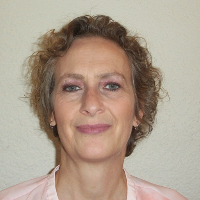
Charles Beard
LCPC
Illinois 3 years in practice
Practical, strengths-based counseling for parents and individuals
- Stress, Anxiety
- Relationship
- Family
Therapists for parents
491 therapists holding Licensed Clinical Professional Counselor (LCPC) list parenting among the things they work with. Credentials are shown as supplied; the issuing state board is the place to verify one.
A Licensed Clinical Professional Counselor (LCPC) is a state-licensed mental health professional who has met specific education, supervised experience, and examination requirements. Below you can browse verified LCPC therapists listed on Parent Therapists to learn about their approaches, specialties, and professional backgrounds.
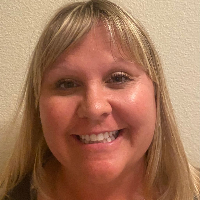
LCPC
Illinois 3 years in practice
Practical, strengths-based counseling for parents and individuals
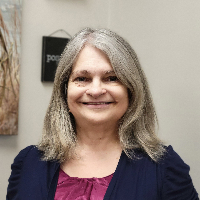
LPC, LCPC
Oregon 17 years in practice
Practical therapy focused on building usable skills
MD, LCPC
Maryland 25 years in practice
Support for parents facing stress and change
LCPC
Illinois 25 years in practice
Support for stress, grief, and parenting challenges
LCPC
Illinois 22 years in practice
Compassionate therapist for life and parenting stress
LCPC
Illinois 10 years in practice
Helping parents find clearer breathing room
LCPC
Illinois 20 years in practice
Compassionate, practical help for parents and relationships
LPC, LCPC
Kansas 7 years in practice
Compassionate counselor focused on practical change
LCPC
Illinois 18 years in practice
Supportive counselor for everyday parenting challenges
LCPC, LPC
Oklahoma 20 years in practice
Restorative skills for real parenting challenges
MD, LCPC
Maryland 10 years in practice
Practical, collaborative therapy for parents and individuals
LCPC, LPC
Oklahoma 25 years in practice
Compassionate, practical counseling for life challenges
LCPC
Montana 39 years in practice
Experienced, practical therapy for life's transitions
LCPC
Nevada 10 years in practice
Helping parents manage stress and relationships
LCPC
Illinois 6 years in practice
Supportive counselor for parenting and life change
LCPC
Kansas 35 years in practice
Compassionate counselor focused on practical change
Kansas 17 years in practice
Calm guidance for parenting and relationship strain
LPC, LCPC
Illinois 12 years in practice
Practical, goal-focused counseling with warmth
LCPC
Illinois 32 years in practice
Compassionate, experienced counselor for parents
LCPC
Montana 10 years in practice
Centered therapist helping parents and adults
LCPC
Illinois 5 years in practice
Calm, practical support for everyday parenting challenges
LCPC
Illinois 7 years in practice
Therapist focused on practical support
LCPC
Maine 18 years in practice
Practical therapy for stressed parents and adults
LCPC
Illinois 23 years in practice
Practical, steady support for parenting and life changes
LCPC
Illinois 5 years in practice
Compassionate counseling focused on real change
LPC, LCPC
Arizona 13 years in practice
Practical support for everyday parenting challenges
LCSW, LCPC
Illinois 7 years in practice
Compassionate, practical support for parents and adults
LCPC, LMHC
Montana 13 years in practice
Experienced counselor focused on parenting and daily stress
LPC, LCPC
Colorado 18 years in practice
Goal-focused therapist who supports parents
LCPC
Illinois 20 years in practice
Compassionate counselor for parenting stress and trauma
LPC, LCPC
South Carolina 15 years in practice
Compassionate, practical support for parents
MD, LCPC
Maryland 26 years in practice
Calm, practical support for parenting and life changes
LCPC, LPC
New Jersey 20 years in practice English, Sinhala
Calm, practical support for parenting challenges
LCPC
Illinois 8 years in practice
Compassionate counselor for life and parenting struggles
MD, LCPC
Maryland 15 years in practice
Practical psychotherapy for stress and parenting
Illinois 25 years in practice
Supportive counseling for parenting and life change
LCPC, LPC
Missouri 3 years in practice
Practical counseling for parenting and life challenges
LCPC
Nevada 12 years in practice
Practical, affirming therapy for life transitions
LCPC
Montana 23 years in practice
Compassionate counselor for stressed parents
LPC, LCPC
Colorado 21 years in practice
Compassionate counselor focused on practical change
LPC, LCPC
North Carolina 18 years in practice
Practical counseling for parenting and stress
MD, LCPC
Maryland 23 years in practice
Practical relationship and parenting support
LCPC
Illinois 25 years in practice
Practical, values-focused counseling for life challenges
LCPC
Maine 30 years in practice
Practical counseling for stress and parenting concerns
LCPC
Illinois 38 years in practice
Practical, experienced counselor for parenting concerns
LPC, LCPC
Maine 12 years in practice
Practical, compassionate counseling for parents and adults
LCPC
Illinois 5 years in practice
Thoughtful counselor for parenting challenges
LPC, LCPC
Colorado 20 years in practice
Practical, respectful care for everyday parenting challenges
Some links on this page are partner links. We will earn a commission if you sign up through one, at no cost to you. It does not change what you pay or the order of the listings.
When you see the LCPC credential, it indicates that a clinician has completed graduate-level education in counseling or a closely related field and satisfied a state board's requirements for clinical practice. Those requirements generally include earning a master's or doctoral degree, completing a set number of supervised clinical hours after graduation, and passing one or more licensing exams. The exact titles and steps vary by state, but the common thread is formal graduate training plus documented supervised experience working with clients.
In practical terms, an LCPC has training in assessment, treatment planning, and therapeutic methods that are used with individuals, couples, families, and groups. The classroom portion of training covers counseling theory, human development, ethics, and research. Supervised practice provides hands-on experience under the guidance of an experienced clinician or supervisor. Together, these elements prepare counselors to offer psychotherapy and to work with a range of emotional and behavioral concerns in clinical and community settings.
The licensing process is designed to ensure that counselors meet consistent standards before practicing independently. You should expect documentation of degree completion, logged supervised hours, and successful completion of required examinations before a counselor receives an LCPC credential from a state board. While the name of the credential may differ across jurisdictions, the steps toward licensure emphasize education, mentored clinical experience, and assessment by a regulatory authority.
LCPCs work within a defined scope that includes psychotherapy, assessment, and treatment planning for mental health and behavioral issues. If you are comparing credentials, you will notice some overlap between LCPCs and other mental health licenses such as licensed clinical social workers, licensed marriage and family therapists, and licensed professional counselors under different titles. The distinctions often lie in educational emphasis, training settings, and state-specific regulatory language rather than in a strict hierarchy of competence.
In many settings, an LCPC will provide diagnostic impressions, develop individualized plans for care, and deliver ongoing counseling services for conditions such as anxiety, depression, stress-related concerns, parenting challenges, and relationship difficulties. LCPCs may also work in schools, clinics, hospitals, and community agencies where collaborative work with other professionals is common. If you want a professional who focuses on psychotherapy and counseling across a broad age range, an LCPC can be a good match. When comparing credentials, consider the professional's experience, focus areas, and the populations they describe in their profile.
LCPC therapists often describe a range of specialties and populations they serve. You will find clinicians who focus on prenatal and postpartum adjustment, parenting support, adolescent behavior and emotional needs, relationship and co-parenting issues, grief, trauma-related concerns, and stress management. Many also note work with specific life transitions such as adoption, blended family dynamics, or major medical events. These areas reflect common reasons families and individuals seek therapy.
Approaches listed by LCPCs are varied. Some therapists list cognitive-behavioral approaches among their methods, while others include psychodynamic, systems-oriented, or experiential approaches. When reading profiles, pay attention to the ways clinicians describe their work rather than assuming formal certification in a modality. For example, a profile may state that a therapist focuses on helping parents develop communication skills, emotion regulation strategies, or practical behavior management techniques. That language can help you understand how a clinician structures sessions and collaborates with clients.
Verifying a license is an important step when you are evaluating professionals. Most state licensing boards maintain online directories where you can confirm a counselor's current licensure status, the exact credential title, and whether the license is in good standing. These public registries often allow searches by name or license number. A board listing can also provide information about the license issue and expiration dates and whether any disciplinary actions have been recorded.
When you review a profile or a board record, look for the state that issued the LCPC credential and the license status. If a profile lists practice approaches or specialties, remember that those are self-reported and reflect how the therapist describes their work. You may also consider checking educational background and supervised experience as summarized on the clinician's profile. If you have questions about the meaning of a particular credential in your state, the state licensing board's website or customer service line can clarify local terminology and requirements.
Choosing a therapist with an LCPC credential can offer several practical benefits. Since LCPCs complete graduate training and post-degree supervised hours, you can expect a foundation in counseling theory and clinical practice along with experience working with clients. Many LCPCs practice in settings that emphasize ongoing professional development and collaboration with other health and social service providers. If you prefer a clinician whose background emphasizes psychotherapy and counseling across the lifespan, an LCPC may be a good fit.
To find the right LCPC for your needs, start by clarifying what you want help with and which population the therapist typically works with. Read practitioner profiles to learn how therapists describe their specialties, the populations they list, and the practical approaches they use. If a profile mentions specific approaches, understand that this indicates what the therapist lists among their methods rather than an external certification in that method. Consider language skills, cultural competence, and experience with family structures or parenting situations similar to yours. You may also value a clinician who describes their style, session format, and goals for therapy in clear terms.
When comparing profiles, think about logistics that matter to you - such as location, session format, and whether the therapist describes experience relevant to your concerns - but avoid relying on words like availability that can change frequently. Use the licensing verification process to confirm the LCPC credential and consider asking questions during an initial contact about how the therapist typically approaches cases like yours. A combination of verified credentials, clear descriptions of practice focus, and a communication style that resonates with you will help you identify a clinician who fits your needs.
Ultimately, choosing a therapist is a personal decision. By understanding what the LCPC credential represents, how to verify it, and how counselors describe their specialties and approaches, you can make an informed choice about which clinicians to learn more about on Parent Therapists.