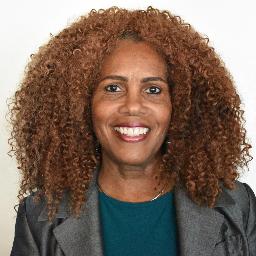
Dr. Shannon Holliker
LCSW
Florida 12 years in practice
Calm, practical support for parents and stress
- Stress, Anxiety
- Self esteem
- Coping with life changes
Therapists for parents
3,476 therapists holding Licensed Clinical Social Worker (LCSW) list parenting among the things they work with. Credentials are shown as supplied; the issuing state board is the place to verify one.
A Licensed Clinical Social Worker (LCSW) holds a master’s degree in social work and has met state clinical licensing requirements to provide mental health services. Browse verified LCSW therapists below to review their specialties, approaches, languages, and professional credentials.
LCSW
Florida 12 years in practice
Calm, practical support for parents and stress
New Jersey 33 years in practice
Guiding practical change with steady clinical experience
LCSW
South Carolina 14 years in practice
Practical therapy focused on strengths
LCSW
Louisiana 20 years in practice
Supportive LCSW for practical parenting help
LCSW
Florida 3 years in practice
Support for parents and caregivers
LCSW
Louisiana 30 years in practice
Compassionate social worker helping parents and individuals
LCSW
Louisiana 12 years in practice
Support for Parents Facing Stress and Change
LCSW
Illinois 27 years in practice
Support for parents and adults
LCSW
Illinois 3 years in practice English, Spanish
Practical, compassionate help for everyday parenting challenges
LCSW
California 5 years in practice
Supportive LCSW for stress and parenting concerns
LCSW
Louisiana 4 years in practice
Support for parents and life changes
LCSW
Florida 6 years in practice
Supportive LCSW for practical parenting challenges
California 22 years in practice
Calm, practical therapy for parenting and life stress
LCSW
New York 25 years in practice English, Spanish
Practical skills for stress and parenting challenges
LCSW, LISW-CP
North Carolina 10 years in practice
Faith-friendly social worker for practical change
Missouri 12 years in practice
Practical support for stress and parenting challenges
LCSW
Louisiana 29 years in practice
Practical, experienced support for everyday struggles
LCSW
California 12 years in practice English, Spanish
Client-centered therapist for parenting concerns
LCSW
Florida 5 years in practice
Practical support for stress and parenting challenges
LCSW, LISW
Pennsylvania 30 years in practice
Experienced LCSW focused on practical parenting support
LCSW
Florida 20 years in practice
Supportive therapist for parenting and life stress
LCSW
Wisconsin 20 years in practice
Calm, practical support for parenting stress
LCSW, CSW
Colorado 23 years in practice
Experienced Colorado LCSW focused on parenting support
LCSW
Texas 21 years in practice
Practical, culturally aware therapy for everyday challenges
LCSW
Florida 31 years in practice
Practical, steady support for parents and relationships
LCSW
Louisiana 5 years in practice
Supportive LCSW focusing on practical change
LCSW
Illinois 37 years in practice
Practical, person-centered therapy for parenting concerns
Louisiana 24 years in practice
Practical support for parenting and life changes
LCSW
Connecticut 25 years in practice
Compassionate social worker for parenting challenges
LCSW
New York 25 years in practice English, Spanish
Calm, practical guidance for real-life challenges
LCSW
Arizona 26 years in practice
Calm, practical support for parenting and life changes
LICSW, LCSW, CSW
Georgia 7 years in practice
Practical support for stress and parenting challenges
LCSW
Mississippi 12 years in practice
Supportive LCSW focused on practical change
LCSW
Wisconsin 13 years in practice
Practical supportive therapy for everyday parenting pressures
LCSW
California 13 years in practice
Guided, practical support for parenting and personal growth
LCSW
Florida 24 years in practice English, Spanish
Compassionate support for parenting and life change
LCSW
New York 29 years in practice
Practical, collaborative therapy for stress and parenting
Louisiana 12 years in practice
Compassionate help for parenting and family stress
LCSW
Texas 5 years in practice
Practical, person-focused support for stressed parents
LCSW
Florida 13 years in practice
Practical support for stressed parents and caregivers
LCSW
Virginia 38 years in practice English, Spanish
Experienced therapist for parenting and trauma
LCSW
New Jersey 5 years in practice
Supportive LCSW for everyday parenting challenges
LCSW
North Carolina 36 years in practice
Seasoned LCSW helping people through change
LCSW
Illinois 41 years in practice
Experienced, practical therapist for parenting challenges
LCSW
Florida 6 years in practice
Supportive LCSW for parenting and stress
LCSW
Florida 10 years in practice
Calm, practical support for parenting and life challenges
LCSW
Texas 8 years in practice
Support for parents and life transition challenges
LCSW, CSW
Colorado 5 years in practice
Support for parents and life changes
Some links on this page are partner links. We will earn a commission if you sign up through one, at no cost to you. It does not change what you pay or the order of the listings.
A LCSW credential indicates that a clinician completed a graduate degree in social work, typically a Master of Social Work (MSW), and fulfilled additional supervised clinical hours required by a state licensing board. After completing supervision and any required examinations, the practitioner received a license to provide clinical assessment, psychotherapy, and related services. The pathway to licensure emphasizes social work theory, human development, community resources, and ethics, with significant attention to systems-level factors that affect families, children, and individuals.
While core educational content focuses on social work principles, the clinical portion centers on applying those principles in therapeutic settings. You will find LCSW practitioners working across a range of settings including outpatient clinics, schools, community agencies, hospitals, and independent practice. Their training prepares them to consider both individual and environmental contributors to mental health, which can be especially relevant for parents navigating family dynamics, school interactions, and community supports.
If you are exploring mental health professionals, it helps to understand how a LCSW role compares to other licenses you may encounter. LCSWs are licensed to perform clinical assessments, diagnose mental health conditions where permitted by state regulations, and provide psychotherapy. Their background in social work means they often integrate attention to social determinants of health, access to resources, and case management into care. This can be helpful if your needs extend beyond talk therapy to include coordination with schools, pediatric providers, or community programs.
Other common licenses you might see include licensed professional counselors, marriage and family therapists, and clinical psychologists. Each of these paths has different educational and regulatory requirements. For example, psychologists often have doctoral training focused on psychological testing and research methods, while marriage and family therapists have specialized training in relational systems and family dynamics. Licensed professional counselors often emphasize a counseling-focused master’s curriculum. Choosing between license types depends on the kinds of support you want, whether you prioritize relational work, psychological testing, or system-oriented support. A LCSW may be particularly well-suited when you want a clinician who can navigate both therapy and connections to social services or community resources.
LCSW therapists commonly work with a wide range of concerns, and you will often find clinicians who list specialties such as parenting support, child and adolescent issues, trauma-related concerns, mood and anxiety disorders, grief, behavioral challenges, and relationship difficulties. Because social work training emphasizes context, many LCSWs focus on supporting families through life transitions, custody and visitation stress, school-related issues, and access to community supports that affect mental health.
Some LCSWs emphasize work with young children and parents, offering strategies for behavior management, attachment support, and navigating early childhood services. Others direct their practice toward adolescents coping with identity, peer, and academic pressures. You may also find LCSWs who list trauma-informed approaches among their methods, as well as clinicians who mention cognitive-behavioral techniques, mindfulness-based strategies, or family systems approaches. When you review therapist profiles, pay attention to how clinicians describe the populations they work with and the kinds of problems they commonly address, since that will give you a clearer sense of fit for your situation.
Verifying a LCSW credential is an important step in evaluating a therapist. The most direct method is to check the licensing board in the state where the therapist practices. State social work boards typically offer an online license lookup where you can confirm that a license number is active, view the license type, and learn about the license’s expiration date. These resources may also indicate disciplinary actions or restrictions, which can be useful information when you are making a decision.
In addition to state boards, therapist profiles often list education, year of licensure, and professional affiliations. You can confirm a school or degree through the institution’s records if you want further reassurance. If a therapist practices across state lines or lists telehealth services, check the licensing rules that apply to the state where services are delivered, since regulations vary. When you contact a clinician or their administrative team with questions, you may ask for the license number and the state that issued it so you can look up the file yourself.
Choosing a LCSW can offer specific advantages depending on your priorities. Because LCSW training integrates clinical skills with social and systemic perspectives, these therapists often bring a broad view of the factors that influence mental health. This means they may incorporate family dynamics, school and work contexts, and community resources into treatment planning. If you are a parent, you may find this orientation helpful when addressing concerns that cross individual and family boundaries, such as behavior, school performance, or coordination with other services.
LCSWs are also experienced in connecting people to community supports, which can be valuable if you need guidance on navigating services for children, accessing school-based programs, or identifying community resources. Their familiarity with social service systems can ease communication with case managers, educators, and other providers when that coordination is part of your care goals. Finally, many LCSWs emphasize practical strategies and skill-building in therapy, which can help you implement changes in daily routines and family interactions that matter most to your household.
Start by articulating what you hope to achieve in therapy. Are you seeking support with parenting stress, a child’s behavioral challenges, family transitions, or your own mood and anxiety? Clear goals will help you identify LCSWs who list relevant specialties and experience. Look for descriptions that match the age group and presenting problems you want to address, and pay attention to how clinicians describe their approach in working with families and children.
When you scan profiles, notice the therapeutic approaches and the languages offered. If a clinician lists specific approaches among their methods, remember that those are self-reported and reflect how they describe their practice. If language access is important for you or your child, look for clinicians who list the language you prefer. Also consider whether you want someone who emphasizes skills-based work, relational exploration, or a systems perspective that connects therapy to community supports.
Think about practical elements that will affect your experience, such as session length, the ability to coordinate with schools or pediatricians, and the clinician’s experience with issues similar to yours. You may value a therapist who describes experience helping parents implement behavior strategies, who regularly communicates with school teams, or who has familiarity with regional child-serving systems. Reviews and descriptive profiles can give you insight into these practical aspects, but verification through state licensing and a direct conversation can provide additional clarity.
Finally, when you reach out to a therapist or meet for an initial conversation, pay attention to how comfortable you feel discussing your concerns. The right match often depends on rapport and a mutual understanding of treatment goals. If you do not feel you have found a good fit, it is okay to continue your search. Finding a LCSW who aligns with your needs, communication style, and goals increases the likelihood that therapy will feel relevant and useful to you and your family.
Choosing a Licensed Clinical Social Worker involves balancing educational background, clinical approach, and practical considerations. By reviewing verified credentials, reading how clinicians describe their specialties, and reflecting on your priorities as a parent, you can narrow your search to professionals whose experience and perspective match your needs. Use the directory listings above to explore profiles and learn more about the LCSW therapists in this network.