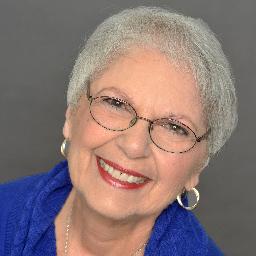
Helene Homer-Ishikawa
LCSW, CSW
Colorado 23 years in practice
Experienced Colorado LCSW focused on parenting support
- Stress, Anxiety
- Family
- Trauma and abuse
Therapists for parents
224 therapists holding Certified Social Worker (CSW) list parenting among the things they work with. Credentials are shown as supplied; the issuing state board is the place to verify one.
A Certified Social Worker (CSW) is a clinician who has completed graduate social work education and met state or organizational certification requirements. Below you can browse verified CSW therapists listed on Parent Therapists to compare their focus areas, approaches, and experience.
LCSW, CSW
Colorado 23 years in practice
Experienced Colorado LCSW focused on parenting support
LICSW, LCSW, CSW
Georgia 7 years in practice
Practical support for stress and parenting challenges
LCSW, CSW
Colorado 5 years in practice
Support for parents and life changes
LCSW, CSW
Colorado 3 years in practice
Compassionate social worker focused on practical change
LCSW, CSW
Colorado 8 years in practice
Compassionate, practical therapy for everyday challenges
LCSW, CSW
Georgia 8 years in practice
Practical support for parenting and relationships
LISW, LCSW, CSW
Georgia 25 years in practice
Compassionate social worker for parents and individuals
LCSW, CSW
Virginia 31 years in practice
Experienced LCSW helping people through life changes
LISW, LCSW, CSW
Colorado 9 years in practice
Compassionate clinical social worker for parents
LCSW, CSW
California 12 years in practice
Practical therapy focused on real-life choices
LCSW, CSW
Georgia 31 years in practice
Experienced LCSW helping parents navigate stress
LCSW, CSW
Georgia 35 years in practice
Experienced LCSW for parenting and life challenges
LCSW, CSW
Georgia 15 years in practice
Calm, practical support for life’s challenges
LCSW, CSW
Colorado 12 years in practice
Practical support for parents and adults
LCSW, CSW
Florida 6 years in practice
Practical, goal-focused therapy for parenting and life
LCSW, CSW, LISW
Texas 10 years in practice
Supportive LCSW focused on practical parenting help
LCSW, CSW
New Jersey 9 years in practice
Compassionate LCSW helping adults build coping skills
LCSW, CSW
Georgia 18 years in practice
Supporting practical change for everyday parenting challenges
LISW-CP, LCSW, CSW
South Carolina 25 years in practice
Experienced clinician offering practical parenting support
LCSW, CSW
Wisconsin 7 years in practice
Supportive social worker for parenting stress
LCSW, CSW
Texas 12 years in practice
Practical, compassionate support for parents and individuals
LCSW, CSW
Georgia 20 years in practice
Thoughtful, practical therapy for relationships and parenting
LCSW, CSW
Georgia 22 years in practice
Parent-focused LCSW helping parents and individuals
LCSW, CSW
Georgia 38 years in practice
Experienced LCSW focused on practical parenting support
LCSW, CSW
North Carolina 14 years in practice
Supportive help for parenting and relationships
LCSW, CSW
Colorado 5 years in practice
Compassionate support for relationship and parenting strain
LCSW, CSW
California 20 years in practice
Calm, practical therapy for parenting and relationships
LCSW, CSW
Georgia 9 years in practice
Support for parents navigating stress and change
LCSW, CSW
Georgia 8 years in practice
Compassionate support for parenting and life transitions
LCSW, CSW
Colorado 25 years in practice
Gentle, practical therapy for parents
LMSW, LCSW, CSW
Michigan 30 years in practice
Compassionate guidance for parenting and life challenges
LCSW, CSW, MD, LCSW-C
Maryland 27 years in practice
Experienced LCSW focused on family and parenting
LCSW, CSW
Georgia 7 years in practice
Supportive LCSW helping parents and individuals
LCSW, CSW
Georgia 10 years in practice
Practical, parent-focused therapy with clear steps
LCSW, CSW
Georgia 30 years in practice
Bilingual therapist focused on parenting and relationships
LPC, CSW
Wisconsin 7 years in practice
Supportive counselor for parenting challenges
LCSW, CSW
Georgia 10 years in practice
Compassionate, evidence-based therapy for parents and partners
LCSW, CSW
Georgia 10 years in practice
Supportive LCSW helping parents gain balance and skills
LCSW, CSW
Georgia 21 years in practice
Practical trauma-informed counseling for parenting concerns
LCSW, CSW
Colorado 30 years in practice
Calm practical support for parenting and relationships
LCSW, CSW
Georgia 26 years in practice
Practical support for parents managing stress and change
LCSW, CSW
Tennessee 15 years in practice
Warm, practical therapy for parents and individuals
LCSW, CSW
Georgia 20 years in practice
Compassionate social worker for parenting and relationships
LCSW, CSW
Georgia 33 years in practice
Practical, goal-focused help for parenting and relationships
LCSW, CSW
Colorado 46 years in practice
Experienced LCSW offering steady, practical support
LCSW, CSW
Colorado 3 years in practice
Practical support for stressed parents and adults
LCSW, CSW
Colorado 5 years in practice English, French
Calm, practical therapy for parenting and stress
LCSW, CSW
Wisconsin 10 years in practice
Compassionate, practical care for parenting and relationships
Some links on this page are partner links. We will earn a commission if you sign up through one, at no cost to you. It does not change what you pay or the order of the listings.
When you see the CSW credential on a therapist profile it indicates a professional identity grounded in social work education and formal certification. In many cases a CSW has completed a master's degree in social work or an equivalent graduate program and fulfilled additional requirements set by a state board or certifying organization. Those additional steps often include supervised clinical hours, background checks, and sometimes an examination. The specific pathway and title can vary by state and by employer, so the exact meaning of CSW may differ depending on where a clinician practices.
Social work training tends to emphasize systems, community resources, and a person-in-environment perspective. That foundation means CSW clinicians often incorporate assessment of family dynamics, school and community contexts, and access to supports in their work. If you want to understand the educational background of a particular CSW you can typically review their profile for details about their degree, practicum experiences, and any supervisory milestones they list.
You may wonder how a CSW differs from other credentials such as licensed counselors, psychologists, or other social work licenses. In general, the CSW credential signals social work education and certification, which often prepares clinicians to deliver clinical services, coordinate care, and work across service systems. Depending on state regulations and employer policies a CSW may provide psychotherapy, case management, and consultation in settings that include clinics, schools, healthcare organizations, and community agencies.
Different credentials carry different legal scopes of practice. Some states use titles that are tied to statutory licensure and come with specific privileges and responsibilities. Other credentials reflect certification by a professional association rather than state licensure. Because rules vary, you may want to compare the CSW designation on a therapist profile with other credentials they list or confirm with the appropriate state board what practice activities are authorized under that title where you live. This will help you understand how a CSW clinician’s role may overlap with or differ from other license types.
CSW clinicians often work with families, parents, and children, but they also practice with adults, couples, and community groups. You will find CSW therapists who focus on parenting challenges, child developmental concerns, behavioral issues, school-related difficulties, perinatal and postpartum transition, trauma recovery, relationship stressors, and the many stressors that come with caregiving and family life. Many also bring experience coordinating with schools, pediatricians, and community services, which can be useful when you are navigating systems on behalf of a child or family member.
Therapeutic approaches vary and many CSW clinicians list a range of methods on their profiles. If a specific approach matters to you, look for language such as therapists who list EMDR among their approaches, therapists who list cognitive behavioral strategies, or those who list family systems work. Listing an approach on a profile is not the same as a certification in that method, but it does indicate the clinician uses those approaches in their work and you can ask about how they integrate them in sessions.
If you want to verify a CSW credential you should begin with state licensing or certification resources. Many state boards and regulatory agencies maintain online lookup tools where you can search by name, license or certification number, and see the current status of a credential. These public records can show whether a credential is active, expired, or subject to restrictions. You can also check the clinician’s reported education and the institutions they attended, since many profiles list degree details.
When online information is limited, you can contact the state board or certifying body directly for clarification. Employers and agencies that hire CSW clinicians may offer verification as well. Keep in mind that credential names and reporting practices vary by state, so a quick phone call or email to the appropriate board can clear up questions about what CSW signifies where you live. Also consider asking the clinician for details about supervision hours, exam completion, and continuing education during an introductory conversation so you have a clear sense of their professional pathway.
Choosing a CSW therapist may offer advantages if you value a clinician who brings social work training to clinical care. CSW clinicians often have expertise in connecting families to community resources, advocating within systems like schools and healthcare, and addressing social factors that affect well-being. If your concerns involve complex systems - such as navigating school supports, child welfare, or community-based services - a CSW may bring relevant experience to those intersections.
When selecting a CSW therapist, consider how their focus areas align with your needs, what age ranges they list, and which approaches they use. Read profiles for information about languages spoken, cultural experience, and descriptions of the populations they serve. Look for clinicians who describe experience with issues similar to yours and who explain how they structure sessions. You can prepare questions to ask during an initial conversation about the clinician’s approach to parenting support, goals for therapy, and how they partner with families. Also consider practical matters such as session format - whether they offer sessions in person at an office or remotely - and payment options or insurance networks if that is relevant to you.
Ultimately the right match involves both clinical fit and interpersonal comfort. Trust your sense of whether a clinician’s style and focus feel aligned with your goals. Taking the time to learn how a CSW frames their work and how they have supported families like yours can help you choose a therapist who meets your needs and helps you move forward with confidence.