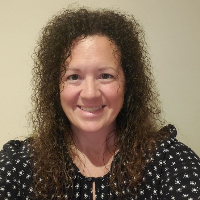
Barbara Mey
LMHC
Rhode Island 20 years in practice
Practical support for parents and adults
- Stress, Anxiety
- Relationship
- Family
Therapists for parents
26 therapists based in Rhode Island list parenting among the things they work with. Sessions are online; a therapist can usually only see people in the states where they hold a licence, so check each profile.
Welcome to Parent Therapists' Rhode Island directory of online therapists. All therapists listed here are licensed in their fields - explore profiles to learn about approaches, focus areas, and languages.
Use the listings below to find therapists who match your needs and read more about how online care works in Rhode Island.
LMHC
Rhode Island 20 years in practice
Practical support for parents and adults
LMHC
Rhode Island 10 years in practice English, Haitian Creole
Practical support for parenting and life transitions
LMHC
Rhode Island 5 years in practice
Helping parents navigate stress and change
LMHC
Rhode Island 14 years in practice
Practical support for relationship and parenting challenges
LICSW
Rhode Island 8 years in practice
Practical support for stress and life transitions
LICSW
Rhode Island 20 years in practice
Practical, calm therapy for parenting and stress
LMFT
Rhode Island 23 years in practice
Practical, person-centered therapy for parents
LICSW
Rhode Island 3 years in practice
Supportive LICSW for parenting and stress
LMHC
Rhode Island 12 years in practice
Practical support for stress and parenting challenges
LICSW
Rhode Island 25 years in practice English, Spanish
Compassionate, practical help for stressed parents
LMHC
Rhode Island 20 years in practice
Practical support for stress and parenting
LICSW
Rhode Island 19 years in practice
Practical, collaborative therapy for life changes
LMHC
Rhode Island 15 years in practice
Practical, strength-based parenting support
LMHC
Rhode Island 20 years in practice
Family-focused counselor who favors practical steps
LMFT
Rhode Island 23 years in practice
Calm, experienced therapist for parenting and life stress
LICSW
Rhode Island 18 years in practice
Practical support for stressed parents and caregivers
LPC, LMHC
Rhode Island 8 years in practice English, Haitian Creole
Compassionate counselor for parenting and family concerns
LMHC
Rhode Island 22 years in practice
Practical support for parenting stress and life change
LMFT
Rhode Island 30 years in practice
Calm, practical help for family and relationships
LMHC
Rhode Island 17 years in practice
Skilled counselor helping parents and individuals
LMHC, LPC
Rhode Island 37 years in practice
Practical guidance for everyday parenting challenges
LICSW
Rhode Island 3 years in practice
Supportive LICSW for practical change
LICSW
Rhode Island 15 years in practice
Practical, compassionate therapy for parents and adults
LCSW, CSW
Rhode Island 7 years in practice
Parenting-focused LCSW who supports stressed caregivers
LICSW
Rhode Island 4 years in practice
Practical support for stressed and anxious adults
LMHC
Rhode Island 6 years in practice
Supportive LMHC for parenting and life stress
Some links on this page are partner links. We will earn a commission if you sign up through one, at no cost to you. It does not change what you pay or the order of the listings.
Online therapy in Rhode Island has become a widely used option for parents and caregivers seeking professional support without the need to travel. You can connect with clinicians through video sessions, phone conversations, or messaging formats that let you communicate between appointments. Many therapists advertise the types of clients they work with and the approaches they use, which helps you narrow options before reaching out.
When you search listings, you will typically see information about a clinician's focus areas - such as parenting stress, perinatal mood concerns, child behavior, or family dynamics - along with the therapeutic approaches they list. Those details help you find professionals whose stated experience aligns with what you are looking for. Keep in mind that a therapist listing an approach does not guarantee specialized certification; it indicates the methods they use in practice.
Therapists who offer online care must be licensed to provide services in the state where the client is located. That means if you are physically in Rhode Island when you meet online, your clinician should be authorized to practice in Rhode Island. Licensing rules and telehealth regulations define how mental health services may be delivered remotely, and these rules are intended to protect both you and the clinician. Practical considerations for online care include technology needs, internet reliability, and planning a quiet, comfortable environment where you can focus during sessions.
Online therapy reduces barriers that can make in-person sessions difficult, especially for parents balancing work, childcare, and school schedules. You can attend from home, your office, or another location that works for you as long as it provides privacy and minimal distractions. For families living in more rural parts of Rhode Island or those with limited transportation options, online sessions can make it easier to connect with professionals who have experience working with parents and caregivers.
Many therapists offer a range of communication styles and therapeutic methods. You may find clinicians who list cognitive-behavioral approaches among their methods, others who note attachment-based work, and some who list family systems or trauma-informed approaches. This variety allows you to choose someone whose stated approach matches how you prefer to work. Online care can also allow you to involve a co-parent or other family members in sessions more easily when geographic separation or scheduling would make in-person meetings difficult.
Therapists who work with parents often address parenting stress, discipline strategies, co-parenting and blended family dynamics, and navigating changes such as separation or a new child. Online therapy can support you in developing consistent routines, managing behavior concerns, and improving communication with children and partners. Many clinicians also focus on helping parents build practical skills for everyday challenges, such as managing tantrums, sleep problems, or transitions related to school and activities.
If you are dealing with anxiety, low mood, or adjustment difficulties related to parenting or major life changes, online therapists can provide a space to explore coping strategies and problem-solving tools. Perinatal concerns, stress related to work-family balance, and grief or loss are issues that commonly appear in therapist profiles. Therapists who list trauma-informed approaches may describe working with the impacts of past experiences on current parenting, while others highlight emotion-regulation strategies that help with mood management.
Before starting with an online therapist, you can verify that a clinician is licensed to practice in Rhode Island. A good first step is to use the state licensing resources that list active licenses and any disciplinary history. Search tools from Rhode Island state agencies and the relevant licensing boards provide public records where you can look up a clinician by name, license number, or profession. These records typically show the license type, issuance and expiration dates, and whether any actions have been taken against the license.
Therapists use a range of license titles that indicate their professional training and scope of practice. Common designations you may encounter include licensed clinical social worker titles such as LICSW, licensed mental health counselor abbreviations like LMHC, and doctoral credentials such as PhD or PsyD for psychologists. Educational degrees and license type together offer context about a clinician's background. You can also review a therapist's public profile for details about graduate training, affiliated professional organizations, and the languages they speak. When reading descriptions, remember that a therapist listing a particular modality means they use that approach in practice; it does not substitute for independently verifiable specialty certification.
Start by reading therapist profiles to identify clinicians who list experience with the issues that matter to you and who describe approaches that feel compatible with your preferences. Note languages offered and any mention of working with parents, families, or children. Once you find a few profiles that seem like a match, prepare a brief summary of what you want to address and questions about how they structure sessions, typical length, and what to expect during the first appointment. Many clinicians provide information on fees and whether they accept payment through insurance or offer sliding scale options - those details can help you narrow choices based on practical needs.
Choosing a therapist is both practical and personal. Think about whether you prefer a directive approach that emphasizes skills and strategies, or a more exploratory style focused on understanding patterns and emotions. Consider cultural fit, communication style, and the therapist's stated experience with families or parent-focused work. It can help to ask how the therapist frames progress and what kind of collaboration you can expect. You should also discuss technical details such as the platform used for sessions, what to do if a connection drops, and how records and billing are handled. Having clear expectations from the start helps you get the most out of online sessions.
Plan a consistent, comfortable setting for your appointments where you can speak without interruptions. Use headphones if you want added auditory privacy and minimize background noise. Have a backup plan for times when technology fails, such as switching to a phone call. Prepare goals for sessions so you and your therapist can track progress over time. If you have concerns about safety or crisis situations, clarify in advance how the therapist manages emergencies and what local resources they recommend. Taking these steps helps you enter therapy with clarity about structure, expectations, and next steps.
Finding the right online therapist in Rhode Island can be a process of exploration. By checking licensure, reading profiles carefully, and preparing thoughtful questions, you can choose a clinician whose approach and experience align with your needs. Use the listings on this page to compare focus areas, languages, and stated approaches, and reach out to those who feel like a potential fit to learn more about how they work.