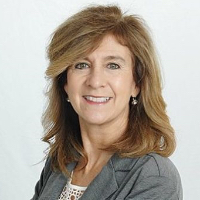
Diana Mendez
LPC
Texas 17 years in practice English, American Sign Language
Compassionate counselor focused on practical parenting support
- Addictions
- Trauma and abuse
- Anger
Therapists for parents
15 therapists who work with parents name ASL among the languages they offer sessions in.
Therapy in your native language can make a meaningful difference in how you express feelings and build rapport with a clinician. Below you can browse profiles of therapists who speak ASL (American Sign Language) to find someone who communicates in your language.
LPC
Texas 17 years in practice English, American Sign Language
Compassionate counselor focused on practical parenting support
LPC
Wisconsin 13 years in practice English, American Sign Language
Compassionate, practical support for parents and adults
LPC
New Jersey 20 years in practice English, American Sign Language
Calm, identity-aware counseling for parents and individuals
LPC
South Dakota 8 years in practice English, American Sign Language
Therapist focused on practical support
LCSW
New York 8 years in practice English, American Sign Language
Compassionate support for parenting and family life
LPC
Michigan 18 years in practice English, American Sign Language
Compassionate counselor for parenting and life challenges
LCSW
Maine 22 years in practice English, American Sign Language
Practical, strengths-based counseling with ASL support
LPC
Texas 35 years in practice English, American Sign Language
Practical, supportive counseling for parents
LPC
Texas 4 years in practice English, American Sign Language
Practical, attachment-informed counselor for parents
LMHC
Washington 9 years in practice English, American Sign Language
Support for overwhelmed parents
LCSW
California 24 years in practice English, American Sign Language
Compassionate, practical support for stressed parents
LCSW
Wisconsin 9 years in practice English, American Sign Language
Compassionate, attachment-informed support for parents
LCPC
Illinois 18 years in practice English, Spanish
Compassionate counselor helping parents find strength
LPC
Colorado 5 years in practice English, American Sign Language
Helping parents find practical ways forward
LPC, LCMHC
Pennsylvania 34 years in practice English, American Sign Language
Compassionate counselor for life and parenting concerns
Some links on this page are partner links. We will earn a commission if you sign up through one, at no cost to you. It does not change what you pay or the order of the listings.
When you work with a therapist who communicates in ASL, you are able to use the grammar, expressions, and visual nuance that feel natural to you. Language shapes not only the words you choose but also how you form thoughts about your experiences. For many Deaf and hard-of-hearing people who use ASL, concepts and emotions translate more accurately when signed directly rather than through spoken language translation. That direct communication can reduce the mental effort of translating and help you connect more deeply with the therapeutic process.
Beyond linguistic accuracy, ASL carries cultural meaning. Deaf culture has its own norms, values, and shared experiences that influence how you see relationships, community, and identity. A therapist who is familiar with or part of that cultural context may better understand references, humor, and family dynamics that matter to you. Even when a therapist is not Deaf, a recognition of cultural perspectives can change the tone of sessions and make it easier for you to feel understood and respected.
Language barriers can make it harder to communicate subtle feelings, memories, and shifts in mood. If you are relying on an interpreter or on written English while your primary language is ASL, some emotional nuance can be lost in translation. Certain ASL expressions convey layers of meaning with facial grammar and body movement; those aspects are difficult to render fully into spoken or written language. That loss can make it harder for you to access the therapeutic work you want to do.
When you must translate your thoughts, you may spend energy on phrasing and clarity instead of exploring difficult material. That extra cognitive load can slow progress and leave you feeling frustrated. Misunderstandings can also arise if a clinician is unfamiliar with Deaf cultural experiences, leading to interpretations that do not fit your background. For these reasons, many people find that direct communication in ASL reduces friction, allows for more open emotional expression, and supports clearer therapeutic goals.
Online therapy with an ASL-speaking clinician typically centers on live video interaction so you and the therapist can see each other clearly. Visual cues - handshape, movement, facial expression - are essential parts of ASL, so you should expect sessions to prioritize camera setup, lighting, and framing that make signing easy to follow. You do not need a specific type of device to participate, but a reliable internet connection and a camera that can capture your upper body and face will help conversations flow.
Sessions often follow a familiar rhythm - opening check-in, exploration of concerns, skills or processing work, and a brief closing - but the way those elements unfold will be shaped by visual communication. You can expect the therapist to use visual prompts, reflections, and questions that align with ASL structure. If you are used to working with interpreters, you may notice differences in pacing and immediacy when you communicate directly with a clinician who signs. If you prefer an interpreter in the room, you can discuss that option with a clinician, keeping in mind that direct signing often reduces steps in communication and preserves nuance.
Many people who use ASL worry about stigma around mental health in their communities, concerns about cultural misunderstanding, and the challenge of finding clinicians who communicate in their language. You might feel cautious about sharing personal history if previous professionals have not recognized cultural norms or if family members view therapy negatively. These concerns can make the first steps toward care feel daunting.
Another frequent difficulty is navigating systems and referrals that assume spoken English as the primary mode of service. When intake forms, scheduling processes, or clinic websites are not accessible in ASL, you may have to rely on others to help, which can feel disempowering. Financial questions and insurance matters sometimes add stress, especially when you are trying to find a clinician who both understands ASL and matches your therapeutic needs. Acknowledging these concerns and raising them early in conversations with a prospective therapist can help you find a working arrangement that feels more comfortable.
Online therapy expands your options because geography matters less when sessions are video-based. You can connect with clinicians in different cities or states who share your language and cultural perspectives, increasing the chance of finding a therapist whose style fits you. The convenience of meeting from your home or another familiar setting can reduce travel barriers and allow you to schedule sessions that align with your life. You may also find a wider range of specializations and population focuses when you are not limited to providers in your immediate area.
When choosing an ASL-speaking therapist, think about communication style, cultural background, and the populations a clinician lists as their focus. Look for profiles that describe how a therapist works with Deaf or hard-of-hearing clients and the kinds of issues they address, such as parenting, trauma, or relationship concerns. If a profile mentions specific approaches, keep in mind that those are approaches therapists list rather than proof of particular credentials; you can ask about how an approach would be used in sessions and whether it fits your goals. It is also reasonable to pay attention to practical details that matter to you - session length, whether you prefer visual tools, and how the therapist structures goals and homework.
Before you start, consider sending a brief introductory message to get a sense of how the therapist communicates and whether their tone resonates with you. You might ask how they structure sessions in ASL, whether they have experience with Deaf cultural issues you care about, and how they handle documentation or follow-up between meetings. Trust your impressions - if a clinician’s approach feels respectful and responsive to your identity and communication needs, that is an important factor in the decision. Over time, you can evaluate the fit by noticing whether you feel able to express complex emotions and whether therapy is helping you meet the goals you discussed.
Seeking therapy in ASL is a meaningful step toward care that honors how you communicate and make sense of your experiences. You deserve to work with a clinician who allows you to sign, gesture, and use facial grammar without added translation. By considering communication style, cultural understanding, and practical session details, you can make choices that support clearer expression, stronger rapport, and therapy that aligns with your needs. Use the profiles above to explore options and reach out to clinicians whose language and approach feel like a fit for you.