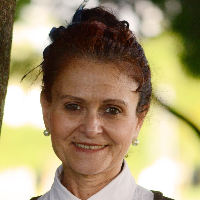
Jaime Grunfeld
LMHC, LPC
New York 17 years in practice English, Spanish
Calm guidance using depth and practical steps
- Stress, Anxiety
- Self esteem
- Career
Therapists for parents
21 therapists who work with parents name Portuguese among the languages they offer sessions in.
Connecting with a therapist who speaks Portuguese can make it easier to express emotions, explain cultural context, and work through personal issues in your native language. Browse Portuguese-speaking therapists below to see profiles, approaches, and how they describe their work.
LMHC, LPC
New York 17 years in practice English, Spanish
Calm guidance using depth and practical steps
LMHC
Florida 20 years in practice English, Portuguese
Experienced counselor focused on practical parenting support
LMHC
New York 5 years in practice English, Portuguese
Compassionate, practical therapy for parenting and life stress
LICSW
Massachusetts 20 years in practice English, Portuguese
Compassionate social worker for parents
LPC
Missouri 5 years in practice English, Portuguese
Practical counseling for parenting and life changes
LCSW
Florida 18 years in practice English, Spanish
Practical, respectful support for parents and adults
Texas 16 years in practice English, Portuguese
Practical support for parents and life stress
LCSW
California 40 years in practice English, Spanish
Experienced LCSW focused on parenting and relationships
LPC
Louisiana 9 years in practice English, Portuguese
Supportive counselor focused on emotional insight
LCSW
California 40 years in practice English, Portuguese
Experienced therapist for parenting and life
LPC
Georgia 22 years in practice English, Portuguese
Practical, experienced counselor for parents
LMHC
Florida 20 years in practice English, Portuguese
Calm practical support for parenting stress
LCPC
Illinois 30 years in practice English, Spanish
Supportive counselor for identity and family concerns
LCSW
New York 15 years in practice English, Spanish
Therapist focused on parenting and relationships
LMHC
Florida 10 years in practice English, Portuguese
Calm, practical support for stressed parents
LMFT
California 15 years in practice English, Portuguese
Practical, goal-focused therapy for parents and adults
LMHC
Florida 25 years in practice English, Spanish
Compassionate counselor for practical parenting support
LMHC
Florida 18 years in practice English, Portuguese
Thoughtful support for parents and individuals
LPC
Georgia 25 years in practice English, Portuguese
Compassionate, practical therapy for everyday parenting challenges
LCSW
Florida 10 years in practice English, Portuguese
Practical, collaborative support for parenting and stress
LMFT
Texas 18 years in practice English, Portuguese
Practical support for parenting and life stress
Some links on this page are partner links. We will earn a commission if you sign up through one, at no cost to you. It does not change what you pay or the order of the listings.
When you speak in your first language, subtle shades of meaning, humor, idioms, and emotional nuance come through more naturally. Therapy often asks you to name feelings, recall memories, and explore complex family dynamics - tasks that depend on precise language. Working with someone who speaks Portuguese can reduce the effort of translating thoughts and help you spend more energy on reflection and healing. You may find that metaphors, stories, or expressions rooted in Portuguese-speaking cultures carry meanings that are difficult to convey in another language. That familiarity can create a stronger sense of being understood and allow you to access material that feels authentic and relevant to your experience.
Language is also bound up with identity. If you were raised in a Portuguese-speaking household or community, the way you talk about childhood, religion, or family roles may differ from descriptions in other languages. A therapist who knows those linguistic and cultural patterns can hold that context without requiring you to explain every detail. That does not replace the therapeutic relationship - empathy, skill, and trust remain central - but language alignment is a practical factor that influences how deeply you can explore personal issues.
Language barriers can make it harder to describe feelings with nuance. You might find yourself choosing simpler words, pausing to search for vocabulary, or glossing over aspects of a memory because translation would feel awkward. Over time, that pattern can lead to a flatter or more guarded conversation. In therapy, where subtle shifts in tone or word choice can open new understanding, losing those subtleties to translation may slow progress. You may also notice differences in how emotion is labeled across Portuguese dialects and regional speech. Certain expressions that communicate vulnerability in one variant may sound different in another, which affects how a therapist interprets your experience.
Another consequence is the potential loss of cultural meaning. Family expectations, community rituals, and social norms often carry cultural assumptions that are embedded in language. If a therapist is unfamiliar with those assumptions, they may ask questions that feel out of step or miss connections that would be obvious to someone who grew up in the same linguistic context. That gap can be bridged when you speak Portuguese with a clinician who shares or understands those cultural references, making it easier to explore topics such as immigration stress, intergenerational conflict, or parenting practices in a way that feels grounded.
Online therapy in Portuguese usually mirrors in-person care in many respects but with differences in format and convenience. Sessions may occur by video call, phone, or messaging, and many Portuguese-speaking therapists describe their therapeutic focus and communication style on their profiles. You can generally expect the therapist to ask about your goals, your background, and what brought you to therapy. They will invite you to reflect and try different strategies to support your coping and insight. The medium of online care can make it easier to match with someone who shares your language even if they live in a different city or country.
Practical matters matter too. You should be prepared for a slightly different dynamic when you are not in the same room. Nonverbal cues remain important, but they may be less visible on a small screen. You may need to arrange a quiet, comfortable environment at home where you can speak openly. Many people appreciate the flexibility of online sessions because it reduces commute time and allows scheduling across time zones. If you prefer Portuguese for emotional expression, you can bring idioms, cultural references, and personal narratives to your sessions and expect to work in the language most natural for you.
Therapists who speak Portuguese may describe a range of approaches on their profiles. Some list cognitive-behavioral methods, others mention psychodynamic or family-focused approaches, and some note trauma-informed or mindfulness-based work. Because profiles list approaches rather than formal credentials in a given method, you may see language such as therapists who list EMDR among their approaches. Reading how clinicians describe their work in Portuguese can help you get a sense of whether their style aligns with your preferences for direct problem-solving, deeper exploration, or practical coping strategies.
Many Portuguese speakers worry about stigma within family or community when they think about seeking therapy. In some households, discussing mental health outside the family can be viewed with suspicion or shame. You might feel pressure to handle problems alone or to prioritize family reputation over personal needs. Cultural expectations about emotional restraint or the role of extended family can complicate how you approach therapy and what you hope to gain from it. A therapist who understands those dynamics can help you navigate them with sensitivity.
Finding a provider who speaks Portuguese can also feel challenging depending on where you live. Smaller communities may have fewer clinicians who work in Portuguese, which is one reason online therapy can be an important option. You may worry about whether a therapist shares your regional dialect, religious background, or immigration experience. While no single therapist will match every aspect of your identity, reading profiles and examining how therapists describe their areas of focus - such as working with parents, couples, or stress related to migration - can help you find someone whose perspective resonates.
Online therapy expands the pool of Portuguese-speaking clinicians you can consider, giving you more opportunities to find someone whose approach and background align with your needs. Access to clinicians who list a range of modalities and population focuses makes it easier to find a match for issues like parenting challenges, grief, anxiety, or relationship concerns. The flexibility of online sessions can also reduce barriers such as transportation or scheduling conflicts, making it more practical to commit to regular sessions when you are balancing family and work obligations.
When choosing a Portuguese-speaking therapist, start by thinking about what matters most to you in therapy. Consider whether you prefer a more structured, goal-oriented approach or a space for open-ended exploration. Look at how therapists describe their work and the populations they mention, and pay attention to whether their profiles reflect an understanding of cultural and family contexts similar to your own. You may find it helpful to note whether a clinician writes about working with parents, bilingual families, or immigration-related stress, because those details can indicate familiarity with issues you may face.
Read multiple profiles and look for clear language about how the therapist approaches sessions, what they focus on, and how they communicate. If a profile lists specific approaches, remember that these are descriptions of preference rather than proof of particular certification. Think about logistics that matter to you, such as session format and whether you want therapy in European Portuguese, Brazilian Portuguese, or another variant, because dialect can shape word choice and cultural reference points. Finally, trust your instincts about the tone of a therapist's profile - a description that feels respectful and attuned to your cultural background is often a good sign that the clinician will hold your experience with care.
Choosing a Portuguese-speaking therapist is a personal and practical decision. By focusing on language fit, cultural understanding, approach preferences, and practical considerations for online sessions, you can find a clinician who helps you explore concerns in a way that feels natural and meaningful. Taking that first step to seek help in the language you think and feel in can make the therapeutic process more accessible and personally resonant.