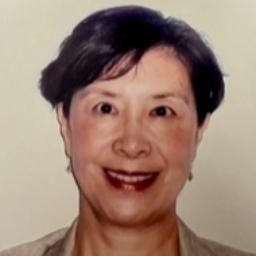
Xiaoying 'Sharon' Qi
LPCC
California 7 years in practice English, Mandarin
Supportive LPCC for parenting and stress
- Stress, Anxiety
- Self esteem
- Career
Therapists for parents
16 therapists who work with parents name Mandarin among the languages they offer sessions in.
Accessing therapy in your native language can make it easier to express emotions, personal history, and cultural context. Browse the Mandarin-speaking therapists listed below to find professionals who communicate in Mandarin and describe approaches that may fit your needs.
LPCC
California 7 years in practice English, Mandarin
Supportive LPCC for parenting and stress
Texas 4 years in practice English, Mandarin
Compassionate counselor for parenting and emotion regulation
LPC
Pennsylvania 14 years in practice English, Mandarin
Practical support for parenting stress and life change
LCMHC, LPC
Oklahoma 9 years in practice English, Mandarin
Calm, practical support for real-life struggles
LCSW
New Jersey 22 years in practice English, Mandarin
Compassionate, bilingual licensed social worker
LCSW
New York 9 years in practice English, Mandarin
Practical, skills-based support for everyday challenges
LCSW, LICSW
Illinois 3 years in practice English, Mandarin
Supportive LCSW for stress and parenting challenges
LCPC
Illinois 12 years in practice English, Mandarin
Calm, collaborative counselor for life transitions
California 15 years in practice English, Mandarin
Practical, compassionate support for stressed parents
LCSW
California 12 years in practice English, Mandarin
Practical, English-Mandarin-Cantonese LCSW for parents
LICSW
Massachusetts 8 years in practice English, Mandarin
Guided, practical support for parents and stress
MD, LCPC
Maryland 21 years in practice English, Mandarin
Compassionate, practical therapy for life's challenges
LMFT
California 6 years in practice English, Mandarin
Calm, practical support for parenting stress
LPC
Texas 20 years in practice English, Mandarin
Experienced counselor focused on relationships and parenting
LCMHC, LPC
Virginia 31 years in practice English, Mandarin
Supportive counselor for parenting and life stress
LPCC, LPC
California 20 years in practice English, Mandarin
Practical support for parenting and family strain
Some links on this page are partner links. We will earn a commission if you sign up through one, at no cost to you. It does not change what you pay or the order of the listings.
When you work with a therapist in Mandarin, you are more likely to find the nuanced words and phrases that capture how you feel and what you have experienced. Emotional states are often tied to culturally specific expressions, metaphors, and family dynamics that can be lost in translation. Speaking in your native language helps you convey subtle meanings without needing to translate your inner life in real time, which can leave out context and emotion. For many Mandarin speakers, the difference between describing distress in Mandarin and describing it in another language is the difference between a sketch and a full portrait. That fuller portrait helps you and a therapist explore patterns, triggers, and strengths in a way that fits your cultural frame of reference.
Language also shapes the therapeutic relationship itself. When conversations flow naturally, you may feel more at ease asking difficult questions, naming shame, or tracing intergenerational patterns that affect parenting, relationships, and self-image. Choosing a therapist who speaks Mandarin does not guarantee a particular outcome, but it does make it more likely that cultural nuance will be part of the conversation rather than an obstacle to understanding.
Language gaps can create friction that affects more than words. When you are working through grief, anger, or complex family dynamics, the act of translating feelings can blunt intensity and change meaning. A phrase that carries deep cultural weight in Mandarin may feel clinical or flat when expressed in another language. That shift can make it harder for you to feel truly heard or to trust that the therapist understands what you mean. Misunderstandings about tone, indirect communication styles, or culturally based norms can also lead to mismatched expectations around therapy goals and the pace of work.
Beyond the immediate exchange of words, language barriers can influence the therapeutic tools that are offered. Some therapeutic techniques rely on imagery, metaphor, or culturally specific narratives. If those elements are forced into a second language, their power can be diminished. You deserve a space where your expressions, idioms, and family stories can be explored in the language that best represents them. That helps you and your therapist develop interventions and strategies that feel relevant and respectful of your background.
Online therapy sessions with a Mandarin-speaking therapist typically resemble in-person sessions in structure. You and the therapist will set goals, explore subjects that matter to you, and practice skills or insights that help with daily life. Because sessions happen in your preferred language, you should expect the therapist to use Mandarin for emotional exploration, clarifying questions, and when offering feedback. Some therapists may use both Mandarin and another language depending on your needs. If you prefer certain terms or dialectal forms, you can let the therapist know so the conversation feels familiar and accurate.
When you choose online therapy, you will want to consider basic technical factors like audio quality, a stable internet connection, and a quiet place to speak. Many clients find it helpful to create a comfortable environment at home or another setting where interruptions are limited. You may also want to check how the therapist manages notes and communication outside of sessions, and ask about their preferred ways to exchange messages or schedule appointments. Knowing these details in advance can make remote sessions run more smoothly and reduce stress so you can focus on the therapeutic work.
Online therapy widens the pool of therapists who speak Mandarin beyond what may be available in your immediate geographic area. That broader reach increases the chance of finding someone who both speaks your dialect and understands the cultural nuances important to you. Remote sessions also offer flexibility for busy parents, shift workers, or people who live in areas with limited in-language resources. For many, the convenience of logging in from home makes it easier to keep therapy as a regular part of life. Additionally, online sessions can offer privacy from the local community by allowing you to connect with a therapist who is not part of your immediate social circle. These practical benefits help more people access language-matched care on terms that fit their schedules and responsibilities.
Many Mandarin speakers approach therapy with concerns shaped by cultural expectations and family norms. There can be stigma around seeking mental health support, especially when mental health struggles are interpreted as a sign of personal failure or as something that should be handled within the family. You might worry about what extended family will think, how to explain therapy to elders, or whether a therapist can understand the interplay between cultural duty and personal needs. These are valid concerns and something therapists who work with Mandarin-speaking clients often address with sensitivity.
Another common challenge is finding a therapist who understands specific cultural contexts such as migration experiences, language shift in families, elder care expectations, or the pressures related to educational achievement. You may also worry about the therapist misinterpreting culturally normative behaviors as pathology. It can help to look for therapists who mention experience with the issues you care about, and to use initial conversations to explore how they understand cultural factors in therapy. This way you can gauge whether their approach resonates with how you see your situation.
Start by looking at therapist profiles to learn about the ways they describe their practice, the client populations they work with, and the approaches they list. Some therapists will note work with parenting issues, family reunification, trauma, or mood concerns; others may mention working with children, teens, or adult relationships. You may see therapists who list EMDR among their approaches or who describe cognitive-behavioral and narrative methods among their tools; listings indicate the approaches therapists report using, not necessarily specific credentials. Pay attention to how a therapist talks about culture and language in their profile, because that language often signals whether they make room for cultural identity in session.
When you reach out, consider asking about communication style, experience with your particular concerns, and how they integrate cultural context into treatment. You can also ask practical questions about session length, frequency, and how they handle between-session messages. If you have preferences around dialect, idioms, or family involvement, bring those up early so you and the therapist can determine whether the match feels right. Trust your sense of comfort during initial interactions; feeling heard in the first few conversations is an important sign that the therapist can work in a way that aligns with your needs.
Choosing a Mandarin-speaking therapist is a personal process that combines language, cultural understanding, and therapeutic approach. Taking time to read profiles, ask thoughtful questions, and reflect on how a therapist describes their work will help you find someone who can support the changes you want to make. Therapy in your native language can open doors to deeper self-understanding and to practical strategies that fit your life and cultural context.