
- Years in practice
- 6
- Credentials
- LIMHP
- Licensed in
- Nebraska
- Languages
- English
- Focus
- Stress, Anxiety
- Focus
- Addictions
- Focus
- Relationship issues
About Michelle
Michelle Hammock is a Licensed Independent Mental Health Practitioner (LIMHP) practicing in Nebraska. She has six years of experience supporting people facing stress, anxiety, addictions, depression, and related concerns. Michelle brings a warm, respectful approach that aims to reduce shame and make it easier to talk about hard issues.
She uses practical methods drawn from client-centered care and cognitive behavioral ideas to help people notice unhelpful patterns and try new coping strategies.
Background and approach
Michelle also incorporates mindfulness and skills from dialectical behavior therapy to manage strong emotions and improve day-to-day functioning. Sessions are conversational and interactive. Michelle listens first to understand what matters most, then works with each person to set small, achievable steps.
Parents looking for support with parenting stresses will find a focus on real-world strategies that fit busy lives. Her background includes work with trauma, obsessive-compulsive concerns, mood disorders, and addictions including process and substance-related patterns. That range means she often helps people who are juggling multiple challenges at once, such as mood instability alongside relationship strain or substance use.
Michelle tends to blend evidence-based tools with an empathetic stance. She helps people build skills for emotion regulation, reduce impulsivity, and cope with grief or life transitions. The aim is steady, manageable progress rather than quick fixes.
What Michelle works with
Everything Michelle lists, in the therapist's own terms. Parenting is the reason this directory exists; the rest shows what else Michelle helps people with.
- Stress, Anxiety
- Addictions
- Relationship issues
- Parenting issues
- Depression
- LGBT
- Family conflicts
- Trauma and abuse
- Grief
- Intimacy-related issues
- Anger management
- Self esteem
- Career difficulties
- Bipolar disorder
- Coping with life changes
- ADHD
- Drug and alcohol addiction
- First responder issues
- Hoarding
- Impulsivity
- Jealousy
- Mood disorders
- Obsessions, compulsions, and OCD
- Personality disorders
- Phobias
- Process addiction (porn, exercise, gambling)
- Seasonal Affective Disorder (SAD)
Approaches Michelle lists
- Client-Centered Therapy
- Cognitive Behavioral Therapy (CBT)
- Dialectical Behavior Therapy (DBT)
- Eye Movement Desensitization and Reprocessing (EMDR)
- Mindfulness Therapy
- Motivational Interviewing
- Solution-Focused Therapy
- Trauma-Focused Therapy
Listing an approach is not evidence of training in it. This directory copies what each therapist names and does not check training records.
How therapeutic approaches translate to online sessions
Client-centered work focuses on listening and building a trusting relationship. Online sessions let Michelle follow each person's pace, validate their experience, and shape goals that feel meaningful. Cognitive Behavioral Therapy, or CBT, helps people spot unhelpful thoughts and try practical behavior changes to reduce anxiety and depressive patterns. Online CBT often uses short homework tasks and real-time skill practice during video or chat sessions.Dialectical Behavior Therapy, or DBT, teaches concrete skills for emotion regulation, distress tolerance, and improving interpersonal effectiveness. These skills can be practiced in real life and reviewed during calls or messages. Michelle will work collaboratively to find the best approach based on a person's goals, symptoms, and daily routines rather than imposing a single method. That shared decision-making helps tailor therapy as needs evolve.
Online formats include video calls, phone sessions, live chat, and text-based messaging. Video works well for in-depth conversations and skill demonstrations. Phone sessions can fit into a lunch break or require less bandwidth. Live chat and text are useful for brief check-ins, ongoing coaching, or when someone prefers written exchanges. These options aim to make therapy more flexible and easier to fit into busy family and work lives.
Questions people ask about Michelle
What concerns does Michelle commonly address?
She works with stress, anxiety, depression, addictions, trauma and abuse, obsessive-compulsive issues, ADHD, mood disorders, and related challenges. Parenting and relationship stress are also listed among her focus areas.
How would you describe her therapeutic style?
Her style is warm and interactive, emphasizing respect and sensitivity. She listens first and uses practical, skills-based techniques to help people manage feelings and behavior.
What is her professional background?
She has six years of clinical experience working with a broad range of concerns including addiction, trauma, OCD, and mood conditions.
What credentials and location are listed?
She holds the LIMHP credential and practices in Nebraska.
Can sessions be conducted in other languages or internationally?
Sessions are offered in English. She does accept international clients.
What session formats are available?
Therapy is offered via video calls, phone sessions, live chat, and text-based messaging to fit different needs and schedules.
How is cost handled?
Pricing varies by location and therapist availability; sessions use a subscription model that can be canceled at any time.
How do I begin working with Michelle?
Start by selecting the Start Therapy button, completing a short matching questionnaire, and then scheduling based on the therapist's availability.
More therapists for parents in Nebraska
All in Nebraska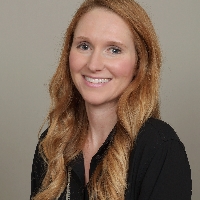
Sara Irwin
LCPC, LPC
Nebraska 14 years in practice
Calm, practical support for parents
- Stress, Anxiety
- Addictions
- Relationship

DaeJanira LynCook
LMHP
Nebraska 8 years in practice
Practical support for parenting stress and change
- Stress, Anxiety
- Trauma and abuse
- Grief

Stephanie Schindler
LIMHP
Nebraska 26 years in practice
Practical, experience-based help for life changes
- Relationship
- Family
- Trauma and abuse